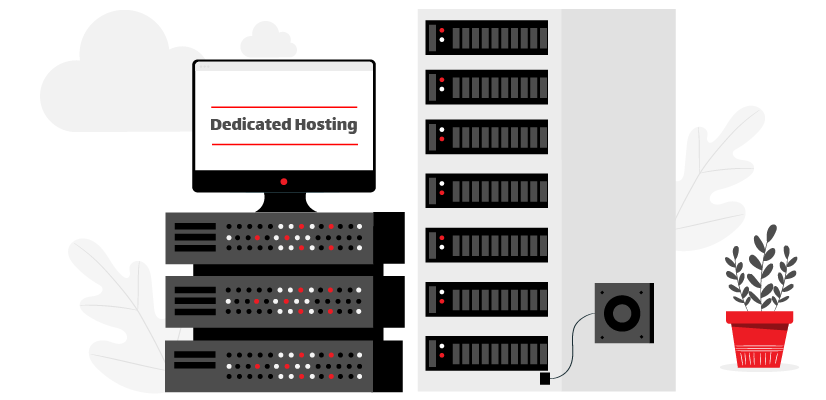
What is Dedicated Hosting?
Dedicated hosting, often referred to as a dedicated server, is a type of web hosting where a client leases an entire server that is not shared with anyone else. This hosting solution is ideal for those who require maximum control, performance, and security for their websites or applications.
This article is part of Rackset’s Hosting guides — browse the rest of the category for more in-depth tutorials on this topic.
Full Control Over the Server
With dedicated hosting, you have complete control over the server’s hardware and software configurations. This means you can install any software you need, customize settings to optimize performance, and manage security protocols according to your specific requirements. This level of control allows for a tailored hosting environment that can be adjusted to meet the precise needs of your business or project.
Comparison with Other Hosting Types
Dedicated hosting is distinct from shared hosting, where multiple users share the same server resources. In a shared hosting setup, performance and security can be compromised due to the activities of other users. In contrast, dedicated hosting ensures that all server resources are available exclusively to you, eliminating the risks associated with shared environments.
Shared vs. Dedicated Hosting
| Feature | Shared Hosting | Dedicated Hosting |
|---|---|---|
| Resource Allocation | Shared among multiple users | Exclusive to one user |
| Performance | Can be affected by other users | Consistent and reliable |
| Security | Shared security measures | Customizable security |
| Customization | Limited | Full control |
Managed vs. Unmanaged Dedicated Hosting
For those who may not have the technical expertise to manage a server, many hosting providers offer managed dedicated hosting services. In a managed setup, the hosting provider takes care of server maintenance, including updates, security patches, and monitoring. This allows businesses to focus on their core activities without worrying about the technical aspects of server management.
Conversely, unmanaged dedicated hosting is suitable for users who have the technical skills to manage the server themselves. This option provides more flexibility and is often more cost-effective, but it requires a higher level of technical knowledge.
How Dedicated Hosting Works
Dedicated hosting operates by allocating an entire server exclusively to a single client. Unlike shared hosting, where multiple users share the resources of a single server, dedicated hosting provides full access to the server’s resources, including CPU, RAM, and storage. This means that the client has complete control over the server’s configuration and usage.
Server Configuration and Customization
With dedicated hosting, users have the flexibility to customize the server to meet their specific needs. This includes choosing the operating system, installing custom software, and configuring the server settings to optimize performance and security. The level of customization is one of the key advantages of dedicated hosting, making it ideal for businesses with unique requirements.
Operating System Choices
- Linux
- Windows
- Custom OS
Network and Security
Dedicated hosting also provides enhanced network capabilities and security measures. Users can implement their own firewall rules, manage network traffic, and ensure data protection through advanced security protocols. This is crucial for businesses that handle sensitive information and require high levels of security.
Resource Allocation
One of the main benefits of dedicated hosting is the guaranteed availability of server resources. Since the server is not shared, users do not have to worry about resource contention or performance degradation due to other users’ activities. This ensures consistent performance, especially for high-traffic websites or applications.
| Feature | Dedicated Hosting | Shared Hosting |
|---|---|---|
| Resource Allocation | Exclusive | Shared |
| Control | Full | Limited |
| Customization | High | Low |
| Security | Enhanced | Basic |
Management Options
Dedicated hosting can be managed or unmanaged. In managed hosting, the hosting provider takes care of server maintenance, updates, and security, making it suitable for those who lack technical expertise. Unmanaged hosting, on the other hand, requires the client to handle all aspects of server management.
Read more: Cloud vs Shared vs Dedicated Hosting – Which Is Better?
For heavy workloads and maximum performance, a dedicated bare-metal server gives you an entire physical machine. Rackset’s dedicated server deliver full hardware, root access and configurable port speeds for the most demanding sites and apps.
// Example of a command to update a Linux server
sudo apt-get update && sudo apt-get upgrade
Differences Between Dedicated and Shared Hosting
Resource Allocation
One of the most significant differences between dedicated and shared hosting is how resources are allocated. In dedicated hosting, you have an entire server to yourself, which means all the resources such as CPU, RAM, and disk space are exclusively yours. In contrast, shared hosting involves multiple users sharing the same server resources, which can lead to competition for bandwidth and processing power.
Performance
Dedicated hosting offers superior performance compared to shared hosting. Because you have access to all the server’s resources, your website can handle high traffic volumes without experiencing slowdowns. Shared hosting, on the other hand, may suffer from performance issues if one of the websites on the server experiences a spike in traffic, affecting others on the same server.
Security
Security is another area where dedicated hosting outshines shared hosting. With dedicated hosting, you have complete control over the server’s security settings, allowing you to implement robust security measures tailored to your needs. In shared hosting, security vulnerabilities can arise if one of the websites on the server is compromised, potentially affecting all users sharing that server.
Customization and Control
Dedicated hosting provides unparalleled customization and control. You can configure the server’s hardware and software to meet your specific requirements, install preferred operating systems, and run specific applications. Shared hosting offers limited control, as all users must conform to the server’s pre-configured settings and available applications.
Cost
Cost is a major differentiator between the two hosting types. Dedicated hosting is generally more expensive due to the exclusive access to server resources and advanced features it offers. Shared hosting is more budget-friendly, making it an attractive option for small businesses or personal websites that do not require extensive resources.
| Feature | Dedicated Hosting | Shared Hosting |
|---|---|---|
| Resource Allocation | Exclusive | Shared |
| Performance | High | Variable |
| Security | Customizable | Standard |
| Customization | Full | Limited |
| Cost | Higher | Lower |
Key Benefits of Dedicated Hosting
Dedicated hosting offers a range of advantages that make it an ideal choice for businesses and individuals with specific needs for their online presence. Below are some of the key benefits:
Performance and Reliability
- High Performance: With dedicated resources, your website can handle high traffic volumes without experiencing performance degradation.
- Reliability: Since resources are not shared with other users, you can expect consistent performance and uptime.
Enhanced Security
- Custom Security Measures: Implement your own security protocols to protect sensitive data.
- Isolation: Your server is isolated from others, reducing the risk of security breaches from neighboring sites.
Full Control and Customization
- Root Access: Gain full root access to configure the server to meet your specific needs.
- Software Flexibility: Install and run any software or scripts that your business requires.
Scalability
- Resource Allocation: Easily upgrade hardware components such as RAM, CPU, and storage to accommodate growing demands.
Dedicated IP Address
- Unique IP Address: Avoid the risk of being blacklisted due to the activities of other users, a common issue in shared hosting environments.
Technical Support
- Expert Assistance: Access a team of experts who can assist with server management and troubleshooting.
In summary, dedicated hosting provides unparalleled control, security, and performance, making it a compelling choice for businesses that require robust hosting solutions.
Use Cases for Dedicated Servers
Dedicated servers provide unparalleled control, performance, and security, making them ideal for various applications and industries. Below are some common use cases where dedicated hosting excels:
High-Traffic Websites
Websites with high levels of traffic require robust infrastructure to handle numerous simultaneous users without compromising performance. Dedicated servers provide the necessary resources to ensure fast loading times and a seamless user experience, even during peak periods.
Read more: Rackset vs Contabo: VPS & Dedicated Hosting Compared
Resource-Intensive Applications
Applications that demand significant computational power, such as data analytics, gaming servers, and large-scale databases, benefit greatly from the dedicated resources of a dedicated server. This setup ensures that the application runs efficiently without disruptions.
If you need this service, Rackset’s team provides professional bare metal server with full support so you can rely on the quality and get set up quickly.
E-commerce Platforms
For e-commerce platforms, security and uptime are critical. Dedicated servers offer enhanced security features and the ability to customize the server environment to meet specific compliance requirements, ensuring customer data is protected and the store remains accessible 24/7.
Virtualization and Hosting
Businesses that require multiple virtual machines or wish to offer hosting services can utilize dedicated servers for virtualization. This enables the creation of isolated environments for different clients or applications, maximizing resource utilization and flexibility.
Custom Software Development
Development teams working on custom software projects often need a server environment tailored to their specific requirements. Dedicated servers allow developers to install and configure the necessary tools and software, providing a controlled environment for testing and deployment.
Large-Scale Enterprise Solutions
Enterprises with complex IT needs, such as CRM systems, ERP solutions, and large intranets, benefit from the scalability and reliability of dedicated servers. These servers support the extensive data processing and storage needs of large organizations.
Comparison Table: Dedicated vs. Shared Hosting
| Feature | Dedicated Hosting | Shared Hosting |
|---|---|---|
| Resource Allocation | Full control over server resources | Shared with other users |
| Performance | High performance, tailored to needs | Variable, dependent on other users |
| Security | Enhanced, customizable security | Basic, limited customization |
| Customization | Full customization of hardware and software | Limited to hosting provider’s setup |
Managed vs. Unmanaged Dedicated Hosting
Understanding the Differences
When choosing dedicated hosting, you have two main options: managed and unmanaged dedicated hosting. The decision between these options largely depends on your technical expertise and the specific needs of your business.
Managed Dedicated Hosting
Managed dedicated hosting means that the hosting provider takes care of all server management tasks. This includes server setup, maintenance, security updates, monitoring, and backups. It is an ideal solution for businesses that lack the technical skills or resources to manage their own servers.
- Pros:
- 24/7 technical support from experienced professionals.
- Regular updates and security patches applied by the provider.
- Allows businesses to focus on core activities without worrying about server management.
- Cons:
- Generally more expensive than unmanaged hosting.
- Less control over server customization.
Unmanaged Dedicated Hosting
Unmanaged dedicated hosting, on the other hand, provides you with the server and little else. You are responsible for all aspects of server management, including setup, maintenance, security, and troubleshooting. This option is suitable for businesses with a skilled IT team capable of managing server operations.
- Pros:
- Full control over server configuration and software installations.
- Usually more cost-effective than managed hosting.
- Cons:
- Requires technical expertise to manage and maintain the server.
- Higher risk of downtime if issues are not promptly addressed.
Making the Right Choice
The choice between managed and unmanaged dedicated hosting should be based on your business’s technical capabilities and resources. If your team lacks the expertise or time to manage a server, managed hosting is the safer choice. However, if you have the necessary skills and want to save on costs while having full control, unmanaged hosting might be the better option.
Read more: Understanding Dedicated Server Hosting in the USA
Security Advantages of Dedicated Hosting
Dedicated hosting offers significant security advantages, making it an ideal choice for businesses that prioritize data protection and privacy. Unlike shared hosting, where multiple users share the same server resources, dedicated hosting provides an isolated environment for a single client. This isolation is crucial for enhancing security in several ways.
For projects that need guaranteed resources and full root control, a VPS is the right step up from shared hosting. With VPS hosting you get dedicated CPU/RAM, NVMe storage, a dedicated IP and high uptime, deployed in minutes.
Enhanced Control and Customization
With dedicated hosting, you have complete control over the server environment. This means you can implement custom security measures tailored to your specific needs. You can configure firewalls, install security software, and apply patches without waiting for a hosting provider to take action. This level of control ensures that your server is as secure as possible, reducing the risk of vulnerabilities.
Reduced Risk of Malware and Cyber Attacks
In shared hosting environments, the activities of other users can impact your server’s security. If another website on the same server is compromised, it could potentially affect your site. With dedicated hosting, you eliminate this risk. Your server is solely yours, which minimizes the chances of cross-contamination from malware or cyber attacks originating from other users.
Compliance with Security Standards
Many industries have strict compliance requirements for data protection, such as PCI DSS for payment processing or HIPAA for healthcare information. Dedicated hosting allows businesses to meet these standards more effectively. You can implement the necessary security protocols and audits required to comply with industry regulations, ensuring that sensitive data is handled appropriately.
Table: Security Features Comparison
| Feature | Dedicated Hosting | Shared Hosting |
|---|---|---|
| Isolation | Complete | Shared |
| Custom Security Configuration | Full Control | Limited |
| Risk of Cross-Contamination | Low | High |
| Compliance Capability | High | Moderate |
Dedicated IP Address
With dedicated hosting, you receive a dedicated IP address, which is crucial for certain security features such as SSL certificates. A dedicated IP ensures that your website’s reputation is not affected by the behavior of other users, as is common in shared hosting environments. This is particularly important for businesses that conduct online transactions or handle sensitive customer data.
In conclusion, the security advantages of dedicated hosting make it a compelling choice for businesses that require a robust and secure hosting solution. By providing an isolated environment, enhanced control, and compliance capabilities, dedicated hosting ensures that your server and data are protected against potential threats.
Choosing the Right Dedicated Hosting Provider
When selecting a dedicated hosting provider, it’s crucial to consider several key factors to ensure you get the most out of your investment. The right provider will offer the flexibility, performance, and support necessary to maximize the benefits of dedicated hosting. Here are some essential considerations to guide your decision:
Performance and Reliability
- Uptime Guarantee: Look for providers that offer a high uptime guarantee, ideally 99.9% or above, to ensure your website remains accessible.
- Hardware Quality: Verify the quality of the server hardware, as this affects the speed and reliability of your website.
Support and Management
- Technical Support: Choose a provider that offers 24/7 customer support to assist with any technical issues.
- Managed Services: If you’re not tech-savvy, consider a provider that offers managed dedicated hosting to handle server management tasks.
Customization and Scalability
- Configuration Options: Ensure the provider allows you to customize server configurations to meet your specific needs.
- Scalability: Opt for a provider that offers scalability options to accommodate future growth.
Security Features
- Data Protection: Verify that the provider offers robust security measures, such as firewalls, DDoS protection, and regular backups.
- Compliance: If your industry requires compliance with standards like GDPR or PCI-DSS, ensure the provider can meet these requirements.
Cost and Value
- Pricing: Compare pricing plans to ensure they fit within your budget without compromising on essential features.
- Value-Added Services: Check if the provider offers additional services, such as free migrations or SSL certificates, that add value to your package.
By carefully evaluating these factors, you can select a dedicated hosting provider that aligns with your business needs and provides a robust foundation for your online presence.
Elevate Your Hosting Experience
Unlock the full potential of your website with Rackset’s dedicated hosting solutions. Experience unparalleled performance, security, and control tailored to your specific needs.
Choose Rackset for ultimate reliability today!
Conclusion
Dedicated hosting stands out as a robust solution for businesses seeking enhanced performance, security, and control over their online presence. By opting for a dedicated server, organizations can tailor their hosting environment to their specific needs, ensuring optimal performance and reliability. The ability to customize server settings, coupled with the assurance of exclusive resource allocation, makes dedicated hosting an attractive choice for businesses with high traffic volumes or specialized hosting requirements.
As you consider your hosting options, it’s crucial to weigh the benefits of dedicated hosting against your business needs and growth projections. If you find that your current hosting solution is limiting your potential, it might be time to explore the advantages of dedicated hosting. At Rackset, we offer a range of dedicated hosting solutions designed to meet diverse needs. Contact us today to learn more about how our dedicated hosting services can support your business’s growth and success.
Frequently Asked Questions
What is dedicated hosting?
Dedicated hosting is a type of web hosting where a client leases an entire server not shared with anyone else. It offers full control over the server, including choice of operating system, hardware, and more.
What are the advantages of dedicated hosting?
Dedicated hosting provides superior performance, enhanced security, and full control over server configurations. It is ideal for websites with high traffic or specific regulatory compliance requirements.
How does dedicated hosting differ from shared hosting?
In shared hosting, multiple websites share resources on a single server, which can lead to performance issues. Dedicated hosting offers exclusive use of a server’s resources, ensuring consistent performance and greater customization.
Is dedicated hosting suitable for small businesses?
While dedicated hosting offers robust features, it may be more than what small businesses need and can afford. However, for small businesses with high traffic or specific technical requirements, it can be a beneficial investment.
What factors should I consider when choosing a dedicated hosting provider?
Consider factors such as server performance, customer support, scalability options, and security features. Also, evaluate the provider’s reputation and the cost of their services.

Behzad Nategh is the Founder and CEO of Rackset, with 20+ years in web hosting, cloud infrastructure, and web design. He writes on hosting, domains, security, and growing an online business.
Leave a Reply