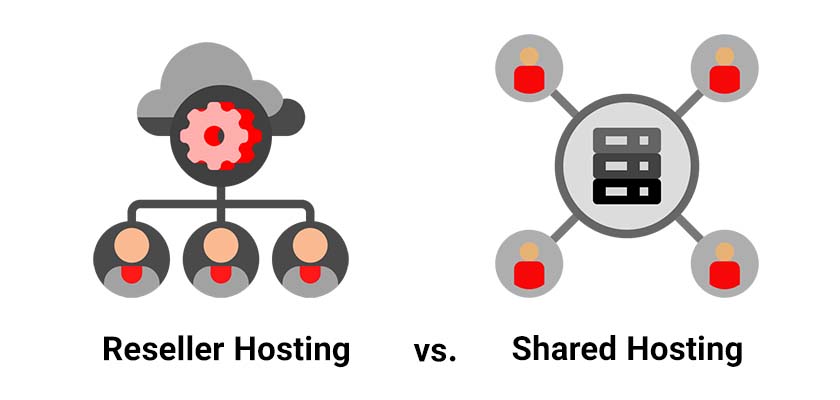
Introduction to Web Hosting
In today’s digital age, the number of companies transitioning to online platforms is rapidly increasing. With countless websites being developed daily and online businesses launching within hours, the importance of web hosting cannot be overstated. Web hosting is the backbone of any online presence, providing the necessary infrastructure to make your website accessible to users worldwide.
This article is part of Rackset’s Hosting guides — browse the rest of the category for more in-depth tutorials on this topic.
What is Web Hosting?
Web hosting is a service that allows individuals and organizations to post a website or web page onto the Internet. A web host, or hosting service provider, is a business that provides the technologies and services needed for the website or webpage to be viewed on the Internet. Websites are hosted, or stored, on special computers called servers.
Types of Web Hosting
There are several types of web hosting services available, each catering to different needs and budgets. Here are some of the most common:
- Shared Hosting: Multiple websites share the same server resources. It’s a cost-effective solution, ideal for startups and small businesses.
- VPS Hosting: Virtual Private Server hosting offers a dedicated portion of server resources, providing more power and flexibility than shared hosting.
- Dedicated Hosting: Users have an entire server to themselves, offering maximum control and performance, suitable for large businesses with high traffic.
- Cloud Hosting: Utilizes multiple servers to balance the load and maximize uptime, providing scalable resources.
- WordPress Hosting: Specifically optimized for WordPress websites, offering enhanced performance and security features.
Choosing the Right Hosting Plan
Selecting the right web hosting plan depends on your specific needs, budget, and technical expertise. For startups, shared hosting is often preferred due to its affordability and managed services. However, if you’re looking to start your own web hosting company or offer hosting services alongside web design, reseller hosting might be the ideal choice. Reseller hosting allows you to purchase hosting resources and sell them to your own clients, providing an additional revenue stream.
Understanding the differences between hosting types is crucial for making an informed decision that aligns with your business goals. In this article, we will delve into the specifics of reseller hosting and shared hosting, exploring their unique features and benefits.
What is Shared Hosting?
Shared hosting is one of the most popular and economical web hosting solutions available today. It is particularly appealing to startups and small businesses due to its affordability and ease of use. In a shared hosting environment, multiple websites are hosted on a single physical server. This means that all the resources of that server, such as CPU, RAM, and disk space, are shared among all the websites hosted on it.
Key Features of Shared Hosting
- Cost-Effective: Since the server resources are shared among many users, the cost of hosting is significantly reduced, making it an ideal choice for those with limited budgets.
- Managed Services: The hosting provider manages the server, including maintenance, security updates, and software installations, allowing users to focus on their websites.
- User-Friendly: Shared hosting plans usually come with a user-friendly control panel, such as cPanel, which simplifies website management and administration.
Advantages of Shared Hosting
- Affordability: Shared hosting is the most affordable hosting option, making it accessible to individuals and small businesses.
- Ease of Use: With a managed environment, users do not need technical expertise to maintain their websites.
- Scalability: Many shared hosting plans offer scalable resources, allowing websites to grow as their traffic increases.
Limitations of Shared Hosting
- Resource Limitations: Since resources are shared, high traffic on one website can affect the performance of others on the same server.
- Limited Control: Users have limited control over server settings and configurations.
- Security Risks: Sharing a server with other websites can pose security risks if one of the sites is compromised.
Shared hosting is an excellent choice for beginners, personal websites, and small businesses that are just starting out. It provides a balance of cost, convenience, and essential features, making it a practical option for many users.
Benefits and Limitations of Shared Hosting
Shared hosting is a popular choice for many startups and small businesses due to its affordability and ease of use. However, like any hosting option, it comes with its own set of benefits and limitations. Understanding these can help you decide if shared hosting is the right choice for your website.
Benefits of Shared Hosting
- Cost-Effective: Shared hosting is one of the most affordable hosting options available. It allows multiple websites to share the same server resources, significantly reducing the cost for each user.
- Easy to Manage: Most shared hosting plans come with user-friendly control panels, such as cPanel, which make it easy to manage your website without needing advanced technical skills.
- Maintenance and Support: The hosting provider manages server maintenance and updates, allowing you to focus on your website content and business operations.
- Pre-Installed Software: Many shared hosting plans offer pre-installed applications like WordPress, making it easier for users to set up their websites quickly.
Limitations of Shared Hosting
- Limited Resources: Since you are sharing server resources with other websites, you may experience slower performance during peak traffic times. This can affect your website’s load times and overall user experience.
- Less Control: Shared hosting provides limited control over server configurations. Users cannot install custom software or modify server settings, which can be restrictive for advanced users.
- Security Risks: Sharing a server with multiple websites increases the risk of security vulnerabilities. If one website on the server is compromised, it can potentially affect all websites hosted on the same server.
- Scalability Issues: Shared hosting plans are not ideal for websites expecting rapid growth or high traffic volumes. As your website grows, you may need to upgrade to a more robust hosting solution, such as VPS or dedicated hosting.
In summary, shared hosting is an excellent starting point for new businesses and personal websites due to its low cost and ease of use. However, as your website grows, you may need to consider other hosting options to meet your evolving needs.
What is Reseller Hosting?
Reseller hosting is a web hosting option that allows individuals or companies to purchase hosting resources from a larger hosting provider and then resell them to their own clients. It is an excellent choice for entrepreneurs who want to start their own web hosting business without needing to manage the server infrastructure themselves.
Read more: Optimize Resource Usage on Shared Hosting
If you need this service, Rackset’s team provides professional reseller hosting with full support so you can rely on the quality and get set up quickly.
How Reseller Hosting Works
In reseller hosting, the main hosting provider allocates a certain amount of resources—such as disk space, bandwidth, and CPU power—to the reseller. The reseller can then create their own hosting packages and sell these to end-users. This allows the reseller to set their own pricing and terms, offering flexibility in how they run their business.
Key Features of Reseller Hosting
- White-label Branding: Resellers can brand the hosting service under their own company name, giving the appearance of running an independent hosting business.
- Control Panel Access: Resellers typically receive access to a control panel (such as cPanel or WHM) to manage their clients’ accounts efficiently.
- Billing Software: Many reseller hosting plans include billing software to help manage invoicing and payments from clients.
- Technical Support: The main hosting provider usually offers technical support to the reseller, who can then pass this support on to their clients.
Benefits of Reseller Hosting
- Low Startup Costs: Starting a reseller hosting business is cost-effective as it eliminates the need to invest in expensive server hardware.
- Scalability: Resellers can easily scale their business by purchasing additional resources from the hosting provider as their client base grows.
- Additional Revenue Stream: For web designers and developers, offering hosting services can be an additional source of income, complementing their existing services.
Reseller hosting is a strategic choice for those looking to enter the web hosting market or expand their current service offerings. It provides a flexible and manageable way to offer hosting services without the complexities of server management.
Advantages of Reseller Hosting
Reseller hosting offers a range of benefits that can be highly advantageous for individuals and businesses looking to expand their services or start their own web hosting company. Here are some key advantages of opting for reseller hosting:
1. Revenue Generation
One of the most significant advantages of reseller hosting is the potential for generating additional revenue. By purchasing hosting resources in bulk at a wholesale rate, you can resell them to clients at a marked-up price. This allows you to create a steady income stream, especially if you already offer related services like web design or development.
2. Brand Building
Reseller hosting provides the opportunity to build and promote your own brand. You can customize the hosting packages with your branding, including custom nameservers, logos, and control panel themes, making it appear as though you are the primary hosting provider. This helps in establishing a unique identity in the market.
3. Flexible Resource Management
With reseller hosting, you have the flexibility to allocate resources such as disk space, bandwidth, and email accounts according to the needs of your clients. This allows you to create tailored hosting packages that can meet the specific requirements of different customers, enhancing customer satisfaction.
4. Low Maintenance
Unlike managing your own server, reseller hosting requires minimal technical expertise and maintenance. The hosting provider takes care of server management, security updates, and technical support, allowing you to focus on growing your business and serving your clients.
5. Scalability
Reseller hosting offers scalability, allowing you to easily upgrade your resources as your business grows. You can start with a basic reseller package and expand to larger packages as you acquire more clients, ensuring that you can meet increasing demands without significant upfront investment.
6. Cost-Effective
Reseller hosting is a cost-effective solution for those looking to enter the hosting market without the high costs associated with owning and maintaining a server. By leveraging the infrastructure of an established hosting provider, you can offer competitive pricing to your clients while maintaining a profitable margin.
In conclusion, reseller hosting is an ideal choice for entrepreneurs and businesses looking to diversify their offerings and tap into the lucrative web hosting market. With its revenue potential, brand-building opportunities, and low maintenance requirements, reseller hosting stands out as a versatile and profitable hosting solution.
If you need this service, Rackset’s team provides professional shared hosting with full support so you can rely on the quality and get set up quickly.
Comparing Costs and Resources
When deciding between reseller hosting and shared hosting, understanding the costs and resources associated with each option is crucial. Both hosting types serve different purposes and cater to different user needs, which is reflected in their pricing structures and resource allocations.
Cost Analysis
Shared hosting is generally the most affordable option, making it ideal for startups and small businesses. The cost is kept low because multiple websites share the same server resources, reducing the overall expense for each user. Typically, shared hosting plans range from $2 to $10 per month, depending on the features and support level provided by the hosting company.
In contrast, reseller hosting is designed for individuals or businesses that want to offer hosting services to their own clients. As a result, reseller hosting plans are more expensive than shared hosting. Prices for reseller hosting usually start around $15 to $50 per month, depending on the number of accounts, storage, and bandwidth included in the plan.
Resource Allocation
Resource allocation is a key differentiator between shared and reseller hosting. Here’s a breakdown of what you can expect from each:
Shared Hosting
- Server Resources: Shared among multiple users, which can lead to limitations in performance if one site experiences high traffic.
- Control: Limited control over server settings and configurations, as the hosting provider manages the server environment.
- Scalability: Limited scalability, as resources are shared and predefined by the hosting provider.
Reseller Hosting
- Server Resources: Allocated to your reseller account, allowing you to distribute resources among your clients as needed.
- Control: Greater control over account management, including the ability to create custom hosting plans and manage client accounts.
- Scalability: More scalable than shared hosting, as you can upgrade your reseller plan to accommodate more clients and resources.
In summary, the choice between reseller and shared hosting largely depends on your specific needs and business goals. Shared hosting is cost-effective and suitable for small sites with basic requirements, while reseller hosting offers more control and scalability, making it ideal for those looking to provide hosting services or manage multiple client websites.
Security Considerations
When choosing between reseller and shared hosting, understanding the security implications of each is crucial. Both hosting types come with their own set of security features and potential vulnerabilities. Knowing these can help you make an informed decision that aligns with your business needs.
Shared Hosting Security
Shared hosting is a popular choice for startups and small businesses due to its cost-effectiveness. However, because multiple websites are hosted on the same server, security risks can be higher. Here are some key considerations:
- Shared Resources: All websites share the same server resources, which means if one site is compromised, others can be at risk.
- Limited Control: Users have limited control over server configurations, which can restrict the ability to implement custom security measures.
- Hosting Provider’s Responsibility: Security largely depends on the hosting provider’s measures, such as firewalls, regular updates, and malware scanning.
Reseller Hosting Security
Reseller hosting offers more flexibility and control, making it a viable option for those looking to start their own hosting business or manage multiple client websites. Here are some security aspects to consider:
Read more: What Is Reseller Hosting?
- Isolation of Accounts: Reseller hosting often allows for better isolation of accounts, reducing the risk of cross-account contamination.
- Customization: Resellers can often implement custom security protocols and configurations for their clients, enhancing overall security.
- Responsibility: As a reseller, you have more responsibility for maintaining security across all accounts you manage, including regular updates and monitoring.
Security Best Practices
Regardless of the hosting type, adhering to best practices can significantly enhance security:
Every website needs stable, fast hosting to stay online. Rackset’s web hosting runs on NVMe storage with high uptime and 24/7 support, giving your site a reliable foundation.
- Regularly update all software and plugins, especially for CMS platforms like WordPress.
- Implement strong, unique passwords and use two-factor authentication where possible.
- Regularly back up data and have a disaster recovery plan in place.
- Monitor server logs for unusual activities and respond promptly to any breaches.
By understanding the security differences between reseller and shared hosting, you can make a more informed decision that ensures the safety and integrity of your online presence.
Choosing the Right Hosting Option
Selecting the appropriate hosting solution is crucial for the success of your online presence. The choice between reseller and shared hosting depends on your specific needs, budget, and future plans. Below are some factors to consider when making your decision:
Cost Considerations
For startups and small businesses, cost is often a significant factor:
- Shared Hosting: Typically more affordable, making it an ideal choice for those with limited budgets. It includes basic features managed by the hosting provider, which reduces the need for technical expertise.
- Reseller Hosting: Generally more expensive than shared hosting. However, it allows you to create and sell hosting packages, potentially offsetting costs through additional revenue.
Control and Customization
Consider how much control you need over server settings and customization:
- Shared Hosting: Offers limited control over server configurations as resources are shared with other users. It is managed by the hosting provider, which simplifies maintenance but restricts customization.
- Reseller Hosting: Provides more control and flexibility, allowing you to create custom hosting plans and manage multiple client accounts. This is ideal for web designers and developers offering hosting services.
Scalability and Growth
Your hosting needs may change as your business grows:
- Shared Hosting: Suitable for small to medium-sized websites. However, scalability may be limited, and you might need to upgrade to a VPS or dedicated server as traffic increases.
- Reseller Hosting: Offers scalability by allowing you to host multiple websites and expand your business by reselling hosting services.
Technical Expertise
Evaluate the level of technical knowledge required:
- Shared Hosting: Requires minimal technical expertise as the hosting provider manages server maintenance and updates.
- Reseller Hosting: Demands a higher level of technical knowledge to manage client accounts and server settings effectively.
Ultimately, the decision between reseller and shared hosting should align with your business goals, technical skills, and budget. Shared hosting is ideal for those seeking a cost-effective, low-maintenance option, while reseller hosting is perfect for entrepreneurs looking to offer hosting services and generate additional income.
Elevate Your Hosting Game
Dive into the world of reseller hosting with Rackset and unlock the potential to manage multiple clients under one roof. Experience precise control, scalability, and support tailored to your growing ambitions.
Start your reseller journey today!
Conclusion
In summary, both reseller and shared hosting offer unique advantages depending on your needs and goals. Shared hosting is an excellent choice for individuals and small businesses seeking an affordable and easy-to-manage solution. It provides a straightforward way to get your website online without requiring extensive technical knowledge. On the other hand, reseller hosting is ideal for entrepreneurs and businesses looking to offer hosting services to their clients. It provides more control and the ability to create custom hosting packages, making it a versatile option for those looking to expand their service offerings.
Understanding the differences between these two types of hosting can help you make an informed decision that aligns with your business objectives. Whether you are looking to host your own website or start a hosting business, choosing the right hosting plan is crucial for success. If you’re ready to explore your hosting options, consider visiting Rackset’s website to learn more about our comprehensive hosting solutions tailored to meet a wide range of needs.
Frequently Asked Questions
What is the main difference between reseller and shared hosting?
The main difference lies in the control and resources. Reseller hosting allows you to sell hosting services to others, giving you more control over resources and customer management, while shared hosting is a single account on a server shared with other users, with limited control and resources.
Can I upgrade from shared hosting to reseller hosting?
Yes, you can upgrade from shared hosting to reseller hosting. This transition allows you to manage multiple client accounts and allocate resources according to your needs, providing more flexibility and control over your hosting environment.
Who should consider using reseller hosting?
Reseller hosting is ideal for web developers, designers, or entrepreneurs who want to offer web hosting services to their clients. It provides the ability to manage multiple client accounts and allocate resources independently, making it a suitable option for those looking to start a hosting business.
Is reseller hosting more expensive than shared hosting?
Generally, reseller hosting is more expensive than shared hosting due to the additional features and control it provides. However, the cost can be offset by selling hosting plans to clients, potentially generating revenue.
What are the resource limitations in shared hosting?
Shared hosting typically comes with limited resources such as bandwidth, disk space, and CPU usage, which are shared among all accounts on the server. This can lead to performance issues if one account uses more than its fair share of resources.

Behzad Nategh is the Founder and CEO of Rackset, with 20+ years in web hosting, cloud infrastructure, and web design. He writes on hosting, domains, security, and growing an online business.
Leave a Reply