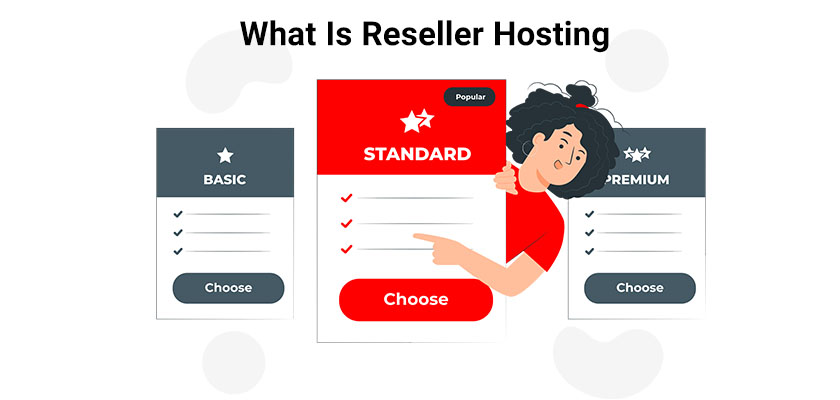
Introduction to Reseller Hosting
In today’s digital age, web development and design are in high demand, and the reseller hosting market is flourishing as a result. Entrepreneurs and business owners are increasingly tapping into this growth opportunity by starting their own reseller hosting companies. This not only creates an additional income stream but can also serve as a full-income stream for their brands. The appeal of reseller hosting lies in its low cost and ease of use, making it an attractive option for many.
This article is part of Rackset’s Hosting guides — browse the rest of the category for more in-depth tutorials on this topic.
What Is Reseller Hosting?
Reseller hosting is a type of web hosting service where individuals or companies purchase hosting resources from a larger hosting provider and then resell them to their own clients. This is typically done through a reseller account, which offers access to wholesale pricing. Reseller hosting packages are usually sold on a wholesale basis, allowing the reseller to set their own pricing and profit margins. This model provides a flexible way to enter the web hosting market without the need to maintain your own infrastructure.
How It Works
To get started with reseller hosting, you need to sign up with a reliable hosting provider that offers reseller accounts. Once you have a reseller account, you can:
- Access wholesale pricing for hosting resources.
- Add your own branding to the hosting services.
- Set your own pricing and resell hosting services to clients at a markup.
Benefits of Reseller Hosting
There are several advantages to opting for reseller hosting, including:
- Cost-Effective: Reseller hosting is generally more affordable than setting up your own hosting infrastructure.
- Scalability: As your client base grows, you can easily upgrade your reseller account to accommodate more resources.
- Branding Opportunities: You can offer hosting services under your own brand, enhancing your business’s visibility and reputation.
- Technical Support: Most hosting providers offer technical support to resellers, so you can focus on growing your business.
Whether you’re a web designer seeking to increase your income or an entrepreneur looking to make money online, reseller hosting presents a viable business opportunity. With platforms like WHMCS, managing and automating your reseller hosting business becomes even more efficient, allowing you to focus on acquiring and retaining clients.
How Reseller Hosting Works
Reseller hosting operates by allowing individuals or businesses to purchase hosting resources from a larger hosting provider and then resell these resources to their own clients. This model enables entrepreneurs to create their own web hosting brand without the need for extensive infrastructure or technical expertise. Here’s a detailed look at how reseller hosting functions:
Step-by-Step Process
- Sign Up with a Hosting Provider: The first step is to choose a reliable web hosting provider that offers reseller hosting plans. This is crucial, as the quality of service you provide to your clients will depend largely on the parent hosting provider.
- Set Up a Reseller Account: Once you have selected a provider, you will need to set up a reseller account. This account gives you access to wholesale pricing and the ability to manage your own client accounts.
- Customize Hosting Packages: You can create customized hosting packages tailored to the needs of your target market. This includes setting disk space, bandwidth, and other features.
- Brand Your Services: Reseller hosting allows you to brand the services as your own. This means you can create a unique identity for your hosting business, complete with custom logos and branding elements.
- Manage Client Accounts: Using a control panel such as WHM (Web Host Manager), you can manage all aspects of your client accounts, including creating new accounts, monitoring usage, and handling billing.
- Offer Support: While the parent hosting provider typically handles server maintenance and technical issues, you are responsible for providing customer support to your clients. This can be a key differentiator in your service offering.
Key Components
- Control Panel: A user-friendly control panel like WHM or cPanel is essential for managing client accounts and hosting packages efficiently.
- Billing Software: Integrating billing software such as WHMCS helps automate invoicing, payments, and client management.
- White Labeling: This feature allows you to brand the hosting services as your own, providing a seamless experience for your clients.
Example Code for Setting Up a Client Account
# WHM API call to create a new cPanel account
whmapi1 createacct domain=example.com username=example password=securepassword123 plan=Basic
By understanding how reseller hosting works, you can effectively leverage this model to generate additional income or even build a full-fledged hosting business. With the right approach, reseller hosting can be a lucrative venture.
Benefits of Reseller Hosting
Reseller hosting offers numerous advantages for entrepreneurs, web designers, and business owners looking to expand their service offerings or create a new revenue stream. Here are some key benefits:
Low Initial Investment
One of the most significant benefits of reseller hosting is the low cost of entry. You can start your own hosting business without the need for expensive infrastructure or extensive technical knowledge. By purchasing a reseller hosting package, you gain access to server resources at wholesale prices, which you can then resell at a profit.
Scalability
Reseller hosting provides the flexibility to scale your business as it grows. You can start with a basic plan and upgrade as your client base expands, ensuring that you only pay for the resources you need. This scalability allows you to manage costs effectively while accommodating increased demand.
Branding Opportunities
With reseller hosting, you have the opportunity to create a unique brand identity. You can customize control panels, set your own pricing, and offer personalized customer support. This ability to brand your services helps differentiate your business in a competitive market.
Revenue Generation
Reseller hosting can be a lucrative business model. By offering hosting services to clients, you can generate a steady income stream. This is particularly beneficial for web designers and developers who can bundle hosting with their existing services, providing a comprehensive solution to clients.
Technical Support from the Parent Host
Most reseller hosting providers offer robust technical support, which means you don’t need to be an expert in server management. The parent hosting company handles server maintenance, hardware upgrades, and network security, allowing you to focus on customer acquisition and support.
Diverse Service Offerings
Reseller hosting enables you to expand your service offerings beyond basic web hosting. You can offer additional services such as domain registration, email hosting, and website maintenance, increasing your value proposition to clients.
Read more: Understanding Reseller and Shared Hosting Differences
If you need this service, Rackset’s team provides professional reseller hosting with full support so you can rely on the quality and get set up quickly.
Example Service Offerings
- Domain Registration
- Email Hosting
- Website Maintenance
- SSL Certificates
In conclusion, reseller hosting provides a cost-effective, scalable, and flexible solution for individuals looking to enter the web hosting market. With the ability to brand your services and leverage the technical support of a parent host, you can focus on growing your business and maximizing revenue opportunities.
Setting Up Your Reseller Hosting Account
Setting up a reseller hosting account is a straightforward process, especially if you choose a reliable web hosting provider. Here’s a step-by-step guide to help you get started:
Choose a Reliable Hosting Provider
The first step in setting up your reseller hosting account is to select a reputable hosting provider that offers reseller plans. Look for features such as:
- Competitive pricing
- Reliable customer support
- Scalability options
- White-label capabilities for branding
Select a Reseller Hosting Plan
Once you’ve chosen a provider, compare their reseller hosting plans to find one that suits your needs. Consider factors such as:
- Disk space and bandwidth
- Number of cPanel accounts
- Included features like WHMCS for billing and automation
- Pricing and contractual terms
Set Up Your Reseller Account
After selecting a plan, proceed with creating your reseller account. This typically involves:
- Signing up for the reseller hosting plan on the provider’s website.
- Completing any necessary payment and verification processes.
- Accessing the Web Host Manager (WHM) dashboard, which is the control panel for managing your reseller account.
Configure Your WHM
Once you have access to WHM, you can start configuring your reseller account:
- Create hosting packages with specific resources and features.
- Set up cPanel accounts for your clients.
- Customize your branding by adding your logo and company details.
Install and Configure WHMCS
WHMCS is a powerful tool for automating billing, client management, and support:
- Download and install WHMCS from the official website or your hosting provider’s panel.
- Configure payment gateways to accept payments from clients.
- Set up automated billing and invoicing.
- Create client accounts and manage support tickets.
Launch Your Reseller Hosting Business
With your account set up and configured, you are ready to start selling your hosting services. Promote your business through:
- Online marketing strategies, including SEO and social media.
- Networking with web developers and designers.
- Offering competitive pricing and excellent customer support.
By following these steps, you can successfully set up and run your own reseller hosting business, tapping into the growing demand for web hosting services.
Managing Clients and Resources
Managing clients and resources effectively is crucial for the success of your reseller hosting business. With the right tools and strategies, you can ensure smooth operations and maintain customer satisfaction. Below are some key aspects to consider when managing clients and resources in reseller hosting.
Client Management
As a reseller, you are responsible for handling your clients’ accounts and ensuring they have a positive experience. Here are some tips for effective client management:
- Communication: Establish clear communication channels with your clients. Use emails, support tickets, and live chat to address their queries promptly.
- Billing and Invoicing: Use automated billing systems like WHMCS to streamline invoicing, payment reminders, and transactions.
- Account Setup: Ensure quick and accurate account setup for new clients. This includes domain registration, email setup, and hosting plan allocation.
- Support: Provide 24/7 technical support to assist clients with any issues. Consider outsourcing support if necessary to maintain service quality.
Resource Allocation
Efficient resource allocation is vital to maintain performance and avoid overloading your server. Consider the following strategies:
- Server Monitoring: Regularly monitor server performance using tools like cPanel or WHM to ensure optimal resource usage.
- Scalability: Choose a hosting provider that allows easy scalability. This ensures you can upgrade resources as your client base grows.
- Resource Limits: Set clear resource limits (e.g., disk space, bandwidth) for each client to prevent any single account from affecting server performance.
- Backups: Implement regular backup protocols to safeguard client data and ensure quick recovery in case of data loss.
Using WHM and WHMCS
Web Host Manager (WHM) and WHMCS are essential tools for managing reseller hosting accounts:
| Tool | Functionality |
|---|---|
| WHM | Allows you to create and manage multiple cPanel accounts, set resource limits, and monitor server health. |
| WHMCS | Automates billing, client management, and support ticketing, providing a comprehensive solution for managing your reseller business. |
By leveraging these tools, you can efficiently manage your clients and resources, ensuring a seamless and professional hosting experience.
If you need this service, Rackset’s team provides professional shared hosting with full support so you can rely on the quality and get set up quickly.
Pricing Strategies for Reseller Hosting
Developing an effective pricing strategy is crucial for the success of your reseller hosting business. The right pricing approach can help you attract customers, cover costs, and generate profits. Below are some key strategies to consider when setting prices for your reseller hosting services.
Understand Your Costs
Before setting your prices, it’s essential to understand all the costs involved in your reseller hosting business. These include:
- Wholesale cost of the hosting packages from your provider.
- Additional software or tools, such as WHMCS, for managing client accounts.
- Marketing and advertising expenses.
- Customer support and operational costs.
Once you have a clear understanding of these costs, you can determine a baseline price that covers your expenses.
Market Research and Competitor Analysis
Conduct thorough market research to understand the pricing landscape. Analyze competitors’ pricing models to identify trends and gaps in the market. Consider offering competitive pricing or unique features that differentiate your services from others.
Value-Based Pricing
Value-based pricing involves setting your prices based on the perceived value of your services to the customer. Highlight unique features, such as superior customer support or additional resources, that justify a higher price point. This strategy can be particularly effective if you target niche markets or offer specialized services.
Tiered Pricing Plans
Offering tiered pricing plans can cater to different customer needs and budgets. Consider creating multiple packages, such as:
- Basic Plan: Suitable for small websites with limited resources.
- Standard Plan: Offers more resources and features for growing websites.
- Premium Plan: Includes advanced features and resources for high-traffic websites.
Tiered plans can help maximize your customer base by appealing to a wide range of users.
Promotions and Discounts
Utilize promotions and discounts to attract new customers and encourage existing customers to upgrade. Limited-time offers, introductory discounts, and bundled services can be effective tools to boost sales and customer loyalty.
Regular Pricing Reviews
Regularly review and adjust your pricing strategy to reflect changes in the market, costs, and customer feedback. Staying flexible and responsive to market dynamics can help maintain your competitive edge and profitability.
Choosing the Right Hosting Provider
As the reseller hosting market continues to grow, selecting the right hosting provider is crucial for ensuring your business’s success. A reliable host can offer the infrastructure and support needed to help you deliver quality services to your clients. Here are some essential factors to consider when choosing a hosting provider for your reseller business:
Reliability and Uptime
One of the most critical aspects of a hosting provider is its reliability and uptime. Downtime can lead to lost revenue and dissatisfied customers. Look for a provider that offers at least 99.9% uptime and has a proven track record of reliability.
Scalability
As your reseller hosting business grows, your hosting needs will likely increase. Choose a provider that offers scalable solutions so you can easily upgrade your resources without significant downtime or hassle.
Customer Support
Effective customer support is vital for resolving any technical issues promptly. Opt for a hosting provider that offers 24/7 customer support through multiple channels, such as live chat, phone, and email.
Read more: Secure WordPress Hosting Essentials for UAE Businesses
Features and Tools
Evaluate the features and tools offered by potential hosting providers. Essential tools for reseller hosting include:
If you need this service, Rackset’s team provides professional cPanel hosting with full support so you can rely on the quality and get set up quickly.
- WHMCS Integration: This billing and client management tool simplifies managing your reseller accounts.
- Control Panel: A user-friendly control panel like cPanel or Plesk is crucial for managing hosting accounts efficiently.
- White-Label Branding: The ability to customize and brand your hosting services is essential for building your brand identity.
Pricing and Value
While cost is an important consideration, it should not be the sole deciding factor. Compare the pricing structures of different providers and assess the value you receive for the cost. Look for transparent pricing without hidden fees.
Security Measures
Security is a top priority for any hosting business. Ensure the provider offers robust security features, such as SSL certificates, DDoS protection, and regular backups, to safeguard your clients’ data.
Reputation and Reviews
Research the reputation of potential hosting providers by reading reviews and testimonials from existing customers. A provider with positive feedback and a strong reputation is more likely to deliver reliable and quality services.
Choosing the right hosting provider is a foundational step in building a successful reseller hosting business. By considering these factors, you can find a provider that aligns with your business goals and supports your growth in the competitive reseller hosting market.
Common Challenges and Solutions in Reseller Hosting
Reseller hosting can be an attractive business opportunity, but it comes with its own set of challenges. Understanding these challenges and knowing how to address them is crucial for anyone looking to succeed in this field.
1. Managing Customer Support
One of the biggest challenges in reseller hosting is providing effective customer support. As a reseller, you are the first point of contact for your clients, and their satisfaction depends on how well you handle their issues.
Solution
- Partner with a hosting provider that offers robust support to resellers.
- Consider outsourcing support to a third-party service if necessary.
- Utilize a ticketing system to manage and prioritize client requests efficiently.
2. Resource Allocation
Ensuring that resources such as bandwidth and storage are adequately allocated to your clients can be challenging, especially as your business grows.
Solution
- Choose a hosting provider that offers scalable plans to accommodate growth.
- Regularly monitor usage statistics and adjust plans as needed.
- Implement limits on resource usage to prevent any single client from monopolizing resources.
3. Branding and Differentiation
Standing out in a crowded market is essential. Many resellers struggle to differentiate their services from competitors.
Solution
- Create a unique value proposition that highlights what sets your services apart.
- Invest in professional branding, including a logo and website design.
- Offer additional services, such as web design or SEO, to add value.
4. Technical Knowledge
Lack of technical expertise can hinder your ability to manage and troubleshoot hosting issues.
Solution
- Engage in continuous learning and stay updated with the latest hosting technologies.
- Hire or consult with technical experts to fill any knowledge gaps.
- Utilize resources and documentation provided by your hosting provider.
5. Pricing Strategy
Setting competitive yet profitable pricing can be challenging, especially when competing with established providers.
Solution
- Conduct market research to understand pricing trends within your niche.
- Offer tiered pricing plans to cater to different customer segments.
- Regularly review and adjust pricing based on costs and market conditions.
By addressing these common challenges with strategic solutions, you can enhance your reseller hosting business’s success and profitability.
Unlock Profits with Reseller Hosting
Dive into the world of reseller hosting and empower your business with Rackset’s robust solutions. Our platform provides you the tools to manage and grow your own hosting empire effortlessly.
Start your hosting journey today!
Conclusion
Reseller hosting offers a unique opportunity for entrepreneurs and business owners to enter the web hosting market with minimal investment and technical expertise. By understanding key components such as resource allocation, white-label branding, and customer management, you can effectively tailor your hosting plans to meet your clients’ needs. This model not only allows you to generate a steady stream of income but also helps you build a reputable brand in the competitive web hosting industry. As you grow, you can leverage the scalability of reseller hosting to expand your offerings and cater to a larger audience.
Now that you have a comprehensive understanding of reseller hosting, consider exploring how Rackset can support your business goals with our flexible and reliable hosting solutions. Whether you’re just starting out or looking to enhance your current offerings, Rackset provides the tools and resources you need to succeed. Visit our website to learn more about our reseller hosting plans and take the first step toward building a successful hosting business.
Frequently Asked Questions
What is reseller hosting?
Reseller hosting is a type of web hosting service where an individual or company purchases bulk hosting resources from a provider and resells them to their own clients. It allows resellers to create their own hosting plans and manage multiple accounts under a single control panel.
Who can benefit from reseller hosting?
Web designers, developers, and entrepreneurs who want to offer hosting services without managing their own infrastructure can benefit from reseller hosting. It is ideal for those looking to start a hosting business or add value to existing services.
How does reseller hosting differ from shared hosting?
Reseller hosting allows you to allocate resources to different clients and manage their accounts, whereas shared hosting is typically for a single website owner. Reseller hosting provides more control and customization options compared to shared hosting.
What are the typical features of a reseller hosting plan?
Reseller hosting plans usually include a control panel, white-label branding, account management tools, and the ability to allocate resources like disk space and bandwidth. They may also offer additional features like email accounts and domain management.
How do I choose a reseller hosting provider?
Consider factors like the reliability of the hosting provider, the level of customer support, scalability options, and the pricing structure. It’s important to choose a provider that aligns with your business goals and offers the features you need.

Behzad Nategh is the Founder and CEO of Rackset, with 20+ years in web hosting, cloud infrastructure, and web design. He writes on hosting, domains, security, and growing an online business.
Leave a Reply