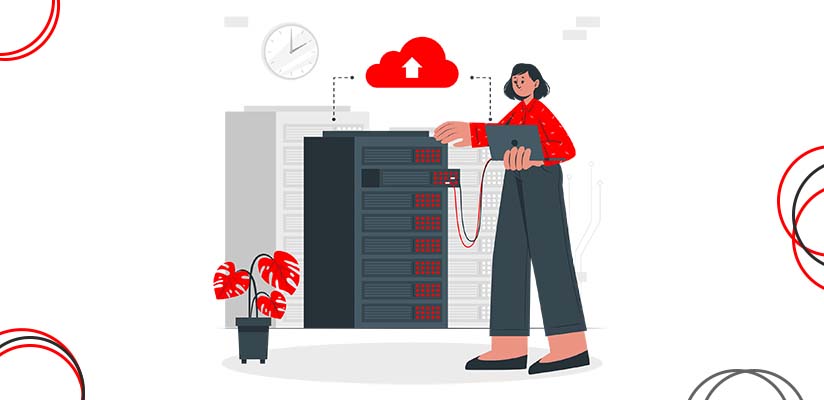
Introduction to Bare Metal Servers
When it comes to online web hosting, selecting the right plan is as crucial as choosing the right provider. While shared hosting and Virtual Private Servers (VPS) offer cost-effective solutions, there are scenarios where maximum power and performance are necessary. This is where bare metal servers come into play. But what exactly is a bare metal server?
This article is part of Rackset’s Server guides — browse the rest of the category for more in-depth tutorials on this topic.
What is a Bare Metal Server?
A bare metal server is a physical computer server dedicated to a single client. Unlike shared hosting or VPS, where resources are distributed among multiple users, a bare metal server provides exclusive access to all its resources. This means you can harness the full power of the server’s CPU, RAM, storage, and network capabilities without interference from other users.
Key Characteristics of Bare Metal Servers
- Dedicated Resources: You have 100% access to the server’s resources, ensuring optimal performance.
- Full Control: You can configure the server’s settings and install any software, giving you complete control over the environment.
- High Performance: Ideal for applications requiring intensive processing power and low latency.
- Enhanced Security: Since resources are not shared, there is a reduced risk of data breaches and other security threats.
Why Choose a Bare Metal Server?
Bare metal servers are particularly suited for projects that demand the highest levels of performance, security, and compliance. Here are some reasons why you might consider opting for a bare metal server:
- Performance Needs: Applications that require high processing power, such as data analytics, machine learning, and high-traffic websites, benefit significantly from the dedicated resources of a bare metal server.
- Security Requirements: Industries with strict compliance standards, like finance and healthcare, often prefer bare metal servers for their enhanced security features.
- Customization: If your project requires specific hardware configurations or software installations, a bare metal server offers the flexibility to tailor the environment to your needs.
In summary, a bare metal server is a powerful solution for businesses and projects that require uncompromised performance and security. By understanding the benefits and characteristics of bare metal servers, you can make an informed decision about whether this dedicated server option is right for you.
How Bare Metal Servers Work
Bare metal servers are designed to provide the highest level of performance, security, and control by dedicating the entire physical server to a single client. Unlike shared hosting environments or Virtual Private Servers (VPS), where resources are distributed among multiple users, bare metal servers offer exclusive access to all the server’s resources. This ensures optimal performance and stability for demanding applications.
Exclusive Resource Allocation
When you opt for a bare metal server, you gain access to 100% of the server’s CPU, RAM, storage, and network bandwidth. This exclusive resource allocation means there is no competition for resources, leading to predictable and consistent performance.
- CPU: Full access to the server’s processors, allowing for intensive computing tasks without interference.
- RAM: Dedicated memory that ensures applications run smoothly and efficiently.
- Storage: Complete control over storage solutions, whether it’s HDDs or SSDs, for optimal data handling.
- Network: Unshared bandwidth for fast and reliable data transfer.
Customization and Control
One of the main advantages of a bare metal server is the level of customization it offers. Users have the freedom to configure the server’s hardware and software to meet specific requirements. This includes selecting the operating system, installing necessary applications, and optimizing the server environment for particular workloads.
Direct Hardware Access
Bare metal servers provide direct access to the underlying hardware, which allows for better performance tuning and troubleshooting. This direct interaction with the hardware can be crucial for applications that require low latency and high throughput.
Benefits of Direct Hardware Access
- Performance Tuning: Ability to adjust hardware settings for optimal performance.
- Troubleshooting: Easier identification and resolution of hardware-related issues.
- Security: Enhanced security measures by eliminating the hypervisor layer found in virtualized environments.
Use Cases for Bare Metal Servers
Bare metal servers are ideal for businesses and applications that demand high performance, reliability, and security. Common use cases include:
- High-performance computing (HPC) applications.
- Data-intensive applications like databases and big data analytics.
- Hosting large-scale websites and applications with high traffic.
- Running virtualization environments with custom configurations.
In conclusion, bare metal servers offer unparalleled performance and control, making them a preferred choice for enterprises and developers who need dedicated resources and full customization capabilities.
Key Features of Bare Metal Servers
Bare metal servers are designed to deliver the highest levels of performance, security, and customization. Here are some key features that make bare metal servers an attractive option for businesses and developers seeking dedicated resources:
Dedicated Resources
When you opt for a bare metal server, you receive exclusive access to all the server’s resources. This means:
- CPU: Full access to the server’s CPU, allowing for intensive processing tasks without the risk of resource contention.
- RAM: Dedicated memory ensures that applications run smoothly without interference from other users.
- Storage: Complete control over storage configurations, including the choice of SSDs or HDDs for performance or capacity needs.
High Performance
Bare metal servers are engineered for maximum performance. This includes:
Read more: Understanding Bare Metal vs. Virtual Servers
If you need this service, Rackset’s team provides professional bare metal server with full support so you can rely on the quality and get set up quickly.
- Low Latency: Direct access to hardware resources reduces latency, making these servers ideal for real-time applications.
- High Throughput: Optimized for high data transfer rates, supporting demanding workloads like big data analytics and high-traffic websites.
Customization and Control
With bare metal servers, you have full control over the server environment:
- Operating System Choice: Install and configure any operating system to suit your application needs.
- Software Configuration: Customize software installations and configurations for optimal performance and security.
- Network Configuration: Set up and manage network settings, including firewalls and security protocols.
Enhanced Security
Bare metal servers provide robust security features:
- Isolation: Physical isolation from other users ensures that your data remains secure and private.
- Compliance: Meets stringent compliance requirements for industries such as finance and healthcare.
Scalability
While bare metal servers offer dedicated resources, they also support scalability:
- Vertical Scaling: Upgrade components like CPU and RAM to handle increased loads.
- Horizontal Scaling: Add additional servers to your infrastructure to manage growing demands.
In summary, bare metal servers provide unparalleled performance, customization, and security, making them a powerful choice for businesses that require dedicated and reliable hosting solutions.
Benefits of Using Bare Metal Servers
When it comes to selecting a hosting solution that offers unmatched performance, security, and control, bare metal servers stand out. Here are some key benefits of using bare metal servers:
1. Superior Performance
Bare metal servers provide dedicated resources, ensuring that you have access to 100% of the server’s capabilities without any resource contention. This translates to high performance, making them ideal for resource-intensive applications, large databases, and high-traffic websites.
2. Enhanced Security
With bare metal servers, you don’t share resources with other tenants, significantly reducing the risk of security breaches. This isolation ensures that your data is more secure, which is crucial for businesses handling sensitive information.
3. Full Customization
Having full control over the server allows you to customize the hardware and software to meet your specific needs. You can choose the operating system, install preferred applications, and configure security settings to align with your business requirements.
4. Scalability
Bare metal servers can be scaled to accommodate growing business needs. By upgrading hardware components like RAM, CPU, and storage, you can enhance performance as your demands increase.
5. Compliance and Reliability
Industries with strict compliance requirements benefit from bare metal servers as they provide the necessary isolation and control to meet regulatory standards. Furthermore, the reliability of having dedicated hardware reduces the risk of downtime, ensuring consistent availability.
6. Cost-Effectiveness for High Demand
While the initial investment in bare metal servers may be higher than shared or VPS hosting, they offer cost-effectiveness in the long run for businesses with high resource demands. The performance and security benefits can lead to increased productivity and reduced operational risks.
Comparison Table: Bare Metal vs. Other Hosting Options
| Feature | Bare Metal | VPS | Shared Hosting |
|---|---|---|---|
| Resource Allocation | Dedicated | Shared | Shared |
| Performance | High | Moderate | Low |
| Security | High | Moderate | Low |
| Customization | Full | Limited | Minimal |
| Scalability | High | Moderate | Low |
In conclusion, bare metal servers offer a robust solution for businesses that require top-tier performance, security, and control. They provide a reliable and scalable platform that can meet the demands of modern enterprises.
Drawbacks and Challenges of Bare Metal Servers
While bare metal servers offer unparalleled performance, security, and control, they are not without challenges. Understanding these drawbacks is crucial in determining whether this type of dedicated server is the right choice for your needs.
Read more: Understanding Bare Metal vs Cloud Servers
For heavy workloads and maximum performance, a dedicated bare-metal server gives you an entire physical machine. Rackset’s dedicated server deliver full hardware, root access and configurable port speeds for the most demanding sites and apps.
Cost Considerations
Bare metal servers are often more expensive than shared hosting or VPS options. This is primarily because you are renting or purchasing an entire physical server dedicated solely to your use. The costs include not just the hardware itself but also the associated maintenance and management expenses.
- Initial Investment: The upfront cost of acquiring a bare metal server can be significant, especially for small businesses or startups.
- Operational Costs: Ongoing expenses such as power consumption, cooling, and data center space can accumulate over time.
Scalability Challenges
Unlike cloud-based solutions, which offer seamless scalability, bare metal servers can be less flexible when it comes to scaling resources.
- Hardware Limitations: Upgrading a bare metal server often requires physical hardware changes, which can lead to downtime.
- Capacity Planning: You need to accurately predict your resource needs to avoid underutilization or overprovisioning.
Complex Management
Managing a bare metal server requires a higher level of technical expertise compared to other hosting solutions.
- Technical Expertise: Full control over the server means you are responsible for its management, including software updates, security patches, and troubleshooting.
- Time-Intensive: Routine maintenance and monitoring can be time-consuming, requiring dedicated IT resources.
Limited Redundancy and Disaster Recovery
Bare metal servers may not inherently offer the same level of redundancy and disaster recovery options as cloud-based solutions.
- Single Point of Failure: If the server experiences a hardware failure, it can lead to significant downtime.
- Backup Solutions: You are responsible for implementing your backup and recovery strategies, which can be complex and costly.
In summary, while bare metal servers provide robust performance and control, they require careful consideration of costs, scalability, management, and redundancy challenges. Evaluating these factors will help ensure that a bare metal server aligns with your business objectives and technical requirements.
Use Cases for Bare Metal Servers
Bare metal servers are ideal for scenarios where maximum performance, security, and control are paramount. Here are some common use cases where bare metal servers excel:
High-Performance Computing (HPC)
High-performance computing tasks often require substantial processing power and memory. Bare metal servers provide the dedicated resources necessary for intensive computations, making them suitable for scientific simulations, financial modeling, and data analysis.
Big Data and Analytics
Processing large datasets efficiently demands robust hardware. Bare metal servers offer the raw power needed for big data applications, enabling faster data processing and real-time analytics. This makes them an excellent choice for organizations handling large volumes of data.
Gaming Servers
Online gaming platforms require low latency and high performance to ensure a seamless user experience. Bare metal servers offer the dedicated resources necessary to support high traffic and complex game environments, providing an optimal gaming experience.
Web Hosting and E-commerce
For businesses that require high availability and fast load times, such as e-commerce websites, bare metal servers ensure that resources are not shared with other users. This leads to improved performance, security, and reliability, which are critical for handling large volumes of web traffic and transactions.
Virtualization and Containerization
Bare metal servers can be used to run multiple virtual machines or containers with greater efficiency compared to shared environments. This is beneficial for organizations that need to isolate applications, improve resource utilization, and enhance security.
Machine Learning and Artificial Intelligence
Machine learning and AI workloads require significant computational power and GPU support. Bare metal servers can be customized with high-performance GPUs, making them ideal for training complex models and running AI algorithms.
Compliance and Security
Industries with stringent compliance and security requirements, such as healthcare and finance, benefit from the dedicated nature of bare metal servers. By not sharing resources with other tenants, organizations can maintain better control over data privacy and security measures.
For projects that need guaranteed resources and full root control, a VPS is the right step up from shared hosting. With VPS hosting you get dedicated CPU/RAM, NVMe storage, a dedicated IP and high uptime, deployed in minutes.
Custom Applications
Some applications require specific hardware configurations or custom software setups. Bare metal servers allow for complete customization, enabling businesses to tailor the server environment to their unique application needs.
Choosing the Right Bare Metal Server
When selecting a bare metal server, several critical factors should guide your decision-making process. The right choice will depend on your specific needs and the nature of your projects. Below are key considerations to help you make an informed decision.
Performance Requirements
Consider the performance demands of your applications. Bare metal servers offer unparalleled processing power, making them ideal for high-performance tasks such as big data analytics, machine learning, and real-time processing. Evaluate the CPU, RAM, and storage requirements to ensure the server can handle your workloads efficiently.
Scalability and Flexibility
Determine whether your project requires scalability. While bare metal servers provide high performance, adding more resources can be more complex compared to cloud-based solutions. If your resource needs fluctuate, consider a server that allows for easy upgrades and adjustments.
Security and Compliance
Bare metal servers offer enhanced security features, making them suitable for industries with stringent compliance requirements. Ensure the server provider complies with necessary standards such as GDPR, HIPAA, or PCI DSS if your business involves handling sensitive data.
Budget Considerations
While bare metal servers provide superior performance, they often come at a higher cost compared to shared hosting or VPS. Analyze your budget to determine if the investment aligns with your financial plans. Consider the total cost of ownership, including setup, maintenance, and potential upgrades.
Technical Support and Management
Evaluate the level of technical support offered by the provider. Depending on your team’s expertise, you may require managed services to handle server maintenance and troubleshooting. A reliable support team can be crucial in ensuring minimal downtime and smooth operations.
Location and Latency
The physical location of your server can impact latency and performance, especially if your user base is geographically dispersed. Choose a server location that minimizes latency for your target audience, ensuring faster load times and a better user experience.
Comparison Table: Key Features
| Feature | Consideration |
|---|---|
| Performance | High CPU, RAM, and storage for demanding applications |
| Scalability | Evaluate ease of resource upgrades |
| Security | Complies with industry-specific standards |
| Budget | Consider total cost of ownership |
| Support | Availability of managed services and technical support |
| Location | Choose a location to minimize latency |
Bare Metal Servers vs. Virtual Servers
Overview
When choosing a hosting solution, understanding the differences between bare metal servers and virtual servers is crucial. Each type offers distinct advantages and is suited to different needs and scenarios. Below, we explore the key differences to help you make an informed decision.
Resource Allocation
- Bare Metal Servers: These servers provide dedicated resources exclusively to one client. You have full access to the server’s CPU, RAM, storage, and network bandwidth, without any contention from other users. This leads to predictable performance and is ideal for resource-intensive applications.
- Virtual Servers: Also known as Virtual Private Servers (VPS), these are created by partitioning a physical server into multiple virtual environments. Resources are shared among multiple users, which can lead to variable performance depending on the server’s load.
Performance
- Bare Metal Servers: Offer high performance and low latency as there is no overhead from virtualization. This makes them suitable for applications requiring real-time processing, such as gaming servers or financial services.
- Virtual Servers: While generally sufficient for most applications, they may experience performance dips if other virtual servers on the same physical machine are heavily utilized.
Security and Compliance
- Bare Metal Servers: Provide enhanced security as they are not shared with other tenants. This isolation is beneficial for businesses with stringent compliance requirements, such as healthcare or finance.
- Virtual Servers: Although generally secure, the shared nature of the infrastructure can pose potential security risks if not properly managed.
Cost
- Bare Metal Servers: Typically more expensive due to dedicated resources and enhanced performance. They are a worthwhile investment for businesses that need maximum control and reliability.
- Virtual Servers: More cost-effective, making them an attractive option for startups or small businesses with limited budgets.
Use Cases
| Server Type | Ideal Use Cases |
|---|---|
| Bare Metal Servers | High-performance computing, large databases, applications requiring low latency |
| Virtual Servers | Web hosting, development and testing environments, small to medium-sized applications |
In conclusion, the choice between bare metal servers and virtual servers depends on your specific needs, budget, and performance requirements. Understanding these differences will help you select the right hosting solution for your project.
Unleash the Power of Bare Metal
Dive deeper into the world of unparalleled server performance with Rackset’s bare metal solutions. Experience unmatched speed, security, and control tailored to your business needs.
Elevate your infrastructure today!
Conclusion
In summary, bare metal servers offer unparalleled performance, security, and customization options, making them an ideal choice for businesses with demanding workloads and specific compliance requirements. By providing dedicated resources, they eliminate the noisy neighbor effect and ensure consistent performance. Whether you’re running intensive applications, managing large databases, or hosting complex websites, bare metal servers can deliver the reliability and power needed to support your operations effectively.
As you consider your hosting options, weigh the benefits of bare metal servers against your business needs and budget. Investing in a bare metal solution can be a strategic move towards enhancing your IT infrastructure. If you’re ready to take advantage of the robust capabilities of bare metal servers, explore Rackset’s offerings to find the perfect fit for your organization. Our team is ready to assist you in making the transition seamless and beneficial for your business growth.
Frequently Asked Questions
What is a bare metal server?
A bare metal server is a physical server dedicated to a single tenant. Unlike virtual servers, bare metal servers offer direct access to the hardware, providing better performance and security.
How does a bare metal server differ from a virtual server?
Bare metal servers provide direct access to the hardware without a virtualization layer, resulting in better performance. Virtual servers, on the other hand, run on shared hardware and use a hypervisor to manage resources.
What are the benefits of using a bare metal server?
Bare metal servers offer high performance, enhanced security, and full control over the server environment. They are ideal for resource-intensive applications and workloads requiring dedicated hardware.
Can I customize the hardware on a bare metal server?
Yes, bare metal servers can be customized to meet specific needs, such as upgrading RAM, CPU, or storage options, allowing for tailored performance and capacity.
What industries typically use bare metal servers?
Industries such as finance, healthcare, and gaming often use bare metal servers due to their need for high performance, data security, and compliance with strict regulations.

Behzad Nategh is the Founder and CEO of Rackset, with 20+ years in web hosting, cloud infrastructure, and web design. He writes on hosting, domains, security, and growing an online business.
Leave a Reply