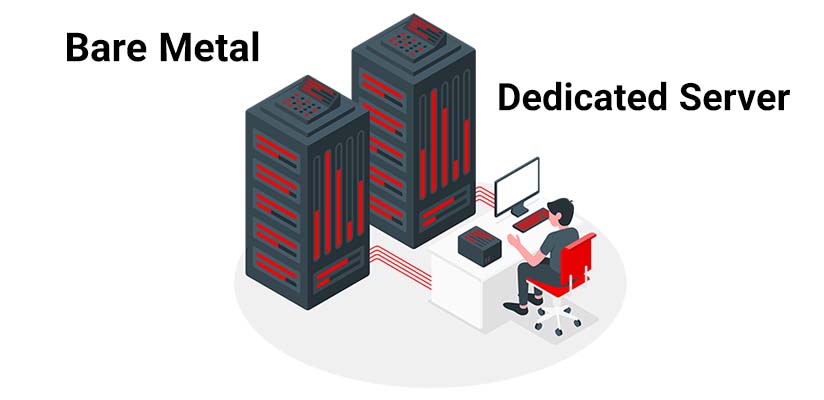
Introduction to Server Types
In today’s digital landscape, selecting the right server type is crucial for businesses aiming to optimize their operations and ensure seamless online performance. Servers are the backbone of online activities, providing the necessary infrastructure for websites, applications, and data management. Among the various server types available, bare metal and dedicated servers are two prominent choices that often lead to confusion due to their similarities and specific use cases.
This article is part of Rackset’s Server guides — browse the rest of the category for more in-depth tutorials on this topic.
Understanding Server Types
Before diving into the specifics of bare metal and dedicated servers, it’s important to understand the general categories of server types. Servers can be broadly classified into the following:
- Shared Servers: Multiple users share the same server resources, making it a cost-effective solution for small websites with moderate traffic.
- Virtual Private Servers (VPS): A physical server is divided into multiple virtual servers, offering more control and resources than shared hosting.
- Dedicated Servers: An entire server is dedicated to a single user, providing maximum control, performance, and security.
- Bare Metal Servers: Similar to dedicated servers but with more direct access to hardware, often used for high-performance applications.
Dedicated Servers
Dedicated servers provide exclusive access to all the resources of a single server. This means no sharing of CPU, RAM, or bandwidth with other users. They are ideal for businesses that require high performance, enhanced security, and full control over server configurations. Dedicated servers are typically housed in data centers and managed by hosting providers, offering a range of customization options.
Bare Metal Servers
Bare metal servers, while similar to dedicated servers, offer a key distinction: they provide direct access to the physical hardware without any virtualization layer. This allows for optimal performance, making them suitable for resource-intensive applications such as big data processing, gaming, and financial modeling. Bare metal servers are often used when businesses need the highest level of performance and reliability.
Comparison Table
| Feature | Dedicated Server | Bare Metal Server |
|---|---|---|
| Resource Sharing | No | No |
| Virtualization | Possible | None |
| Performance | High | Very High |
| Use Cases | Web hosting, enterprise applications | High-performance computing, big data |
By understanding these server types, businesses can make informed decisions that align with their operational needs and strategic goals.
What is a Dedicated Server?
A dedicated server is a type of hosting service where a client leases an entire server that is not shared with anyone else. This server is exclusively dedicated to a single client or organization, providing them with full control over the server’s resources, including CPU, RAM, and storage. Dedicated servers are ideal for businesses that require high performance, reliability, and security for their online operations.
Key Features of Dedicated Servers
- Exclusive Resources: Since the server is not shared with other clients, all resources are available exclusively to the client who leases it, ensuring consistent performance.
- Customization: Clients have the freedom to customize the server configuration, including the choice of operating system, software, and hardware components.
- Enhanced Security: With no shared resources, dedicated servers offer a higher level of security, reducing the risk of unauthorized access and data breaches.
- Scalability: Dedicated servers can be scaled according to the growing needs of a business, allowing for hardware upgrades and increased capacity.
- Reliability: The server’s performance is not affected by other users, leading to higher uptime and reliability for mission-critical applications.
Use Cases for Dedicated Servers
Dedicated servers are suitable for a variety of applications, including:
- High-Traffic Websites: Websites with a large number of visitors can benefit from the dedicated resources to handle high traffic volumes efficiently.
- Complex Applications: Businesses running resource-intensive applications, such as databases and enterprise software, require the robust performance of dedicated servers.
- Gaming Servers: Online gaming platforms often use dedicated servers to provide a smooth and responsive gaming experience.
- Virtualization: Dedicated servers can host multiple virtual machines, allowing businesses to run different applications in isolated environments.
Conclusion
Choosing a dedicated server is crucial for businesses that need reliable, high-performance hosting solutions. With the ability to customize and control the server environment, dedicated servers offer unmatched flexibility and security. Understanding these benefits can help businesses make informed decisions when selecting the right hosting solution for their needs.
How Dedicated Servers Operate
Dedicated servers are a critical component for businesses requiring robust, secure, and high-performance hosting solutions. These servers operate by allocating an entire physical server to a single client, providing exclusive access to all of its resources. This exclusivity ensures that the server’s CPU, RAM, storage, and bandwidth are dedicated solely to the client’s applications and data. This section delves into the operational aspects of dedicated servers, helping you understand how they function and why they are an essential choice for many businesses.
Read more: Bare Metal Servers vs. Virtual Servers: What’s the Difference?
If you need this service, Rackset’s team provides professional bare metal server with full support so you can rely on the quality and get set up quickly.
Resource Allocation
Unlike shared hosting solutions, dedicated servers allocate all available resources to a single user. This means:
- CPU: All processor cores are available for the client’s use, ensuring maximum performance for compute-intensive tasks.
- RAM: The entire memory is dedicated to the client’s applications, providing faster data processing and reduced latency.
- Storage: Clients can choose from various storage options, such as SSDs or HDDs, to meet their specific needs.
- Bandwidth: A dedicated bandwidth allocation ensures consistent and reliable data transfer rates.
Customization and Control
Dedicated servers offer a high degree of customization and control, allowing businesses to tailor the server environment to their specific requirements. This includes:
- Operating System: Clients can install their preferred operating system, such as Linux or Windows.
- Software and Applications: The ability to install and configure any software or applications necessary for their operations.
- Security Configurations: Implement custom security measures, including firewalls and intrusion detection systems.
Performance and Reliability
By dedicating all resources to a single client, dedicated servers offer superior performance and reliability. Key benefits include:
- High Uptime: Minimal downtime due to the absence of resource-sharing conflicts.
- Consistent Performance: Unaffected by the activities of other users, ensuring stable and predictable server behavior.
- Scalability: Easy to upgrade resources as business needs grow.
Management and Support
Many hosting providers offer managed dedicated server options, which include technical support and server management services. This can be beneficial for businesses that lack in-house IT expertise. Managed services typically cover:
- Regular software updates and patches.
- 24/7 monitoring and support.
- Backup and recovery solutions.
In conclusion, dedicated servers provide businesses with the performance, reliability, and control necessary to run demanding applications and services efficiently. By understanding how dedicated servers operate, businesses can make informed decisions about their hosting needs.
Exploring Bare Metal Servers
Bare metal servers are a type of physical server that provides users with exclusive access to all hardware resources. Unlike virtualized environments, where multiple tenants share the same physical hardware, bare metal servers are dedicated to a single tenant, offering full control and customization of the server environment.
Key Features of Bare Metal Servers
- Performance: With no virtualization layer, bare metal servers deliver high performance and low latency, making them ideal for resource-intensive applications.
- Customization: Users have the freedom to configure hardware components, such as CPU, RAM, and storage, to meet specific requirements.
- Security: Since there are no other tenants sharing the server, bare metal servers offer enhanced security, reducing the risk of data breaches.
- Reliability: Dedicated hardware ensures consistent performance and reliability, which is crucial for mission-critical applications.
Use Cases for Bare Metal Servers
Bare metal servers are suitable for a variety of applications, including:
- High-Performance Computing (HPC): Ideal for complex computations and data analysis due to their robust processing power.
- Big Data Applications: Efficiently handle large datasets and support data-intensive operations.
- Gaming Servers: Provide the necessary performance and low latency required for a smooth gaming experience.
- Financial Services: Ensure secure and rapid processing of transactions, crucial for financial institutions.
Comparison with Dedicated Servers
While bare metal and dedicated servers are often used interchangeably, there are subtle distinctions:
| Aspect | Bare Metal Server | Dedicated Server |
|---|---|---|
| Virtualization | No virtualization layer | May include a virtualization layer |
| Provisioning | Typically manual setup | Can be automated with cloud-like provisioning |
| Flexibility | Highly customizable hardware | Standard configurations available |
Conclusion
Choosing between bare metal and dedicated servers depends on your specific needs. Bare metal servers are perfect for users requiring high performance, customization, and security. Understanding these differences will help you make an informed decision that aligns with your business objectives.
Read more: Bare Metal Server vs Cloud Server – Pros and Cons
For heavy workloads and maximum performance, a dedicated bare-metal server gives you an entire physical machine. Rackset’s dedicated server deliver full hardware, root access and configurable port speeds for the most demanding sites and apps.
Bare Metal Server Functionality
Bare metal servers offer a unique set of functionalities that cater to businesses requiring high performance, security, and customization. Unlike virtualized environments, bare metal servers provide dedicated hardware resources, ensuring that the entire server’s capacity is available for your applications without any overhead from a hypervisor.
Key Features of Bare Metal Servers
- Dedicated Resources: Bare metal servers provide exclusive access to the server’s CPU, RAM, and storage, ensuring consistent performance without the “noisy neighbor” effect found in shared environments.
- Enhanced Performance: With no virtualization layer to contend with, applications can run at their full potential, making bare metal servers ideal for resource-intensive tasks such as big data analytics, high-frequency trading, and complex simulations.
- Customization: Users have full control over the server’s configuration, allowing them to install any operating system or software needed to meet their specific requirements.
- Security: The isolated nature of bare metal servers enhances security, as there is no shared hardware or potential attack vectors associated with multi-tenant environments.
Use Cases for Bare Metal Servers
Bare metal servers are particularly suited for applications that demand high performance and reliability. Some common use cases include:
- High-Performance Computing (HPC): Applications that require substantial computing power, such as scientific research and complex modeling, benefit from the dedicated resources of bare metal servers.
- Data-Intensive Applications: Industries that handle large volumes of data, like financial services and media streaming, require the fast data processing capabilities that bare metal servers provide.
- Gaming Servers: Online gaming platforms benefit from the low latency and high performance of bare metal servers, ensuring a seamless gaming experience for users.
Comparison with Dedicated Servers
While both bare metal and dedicated servers provide dedicated hardware resources, bare metal servers are often associated with more advanced features and customization options. Dedicated servers may still involve some level of virtualization or shared infrastructure, whereas bare metal servers guarantee complete isolation and control.
| Feature | Bare Metal Server | Dedicated Server |
|---|---|---|
| Virtualization | No | Possibly |
| Control | Full | Full |
| Performance | Maximized | High |
| Security | Enhanced | High |
In conclusion, bare metal servers offer unparalleled performance and control, making them an excellent choice for businesses with demanding workloads. Understanding the specific needs of your applications and the level of control required will help in deciding whether a bare metal server is the right fit for your operations.
Key Differences Between Bare Metal and Dedicated Servers
Choosing the right server is crucial for the success of any company, especially when deciding between a bare metal server and a dedicated server. While both options provide powerful hosting solutions, they have distinct differences that can influence your decision based on your specific needs.
Definition and Purpose
- Bare Metal Server: A physical server dedicated to a single tenant, offering full control over the hardware. It is often used for applications requiring high performance and security.
- Dedicated Server: Also a physical server dedicated to a single user, but typically managed by a hosting provider. It is ideal for businesses needing reliable performance without managing the server hardware.
Control and Customization
- Bare Metal Server: Provides complete control over the server environment, allowing for extensive customization, including operating system and hardware configurations.
- Dedicated Server: Offers some level of customization, but often within the constraints set by the hosting provider.
Performance and Scalability
- Bare Metal Server: Known for high performance due to direct access to the hardware, making it suitable for resource-intensive applications.
- Dedicated Server: Provides reliable performance, but may not match the raw power of a bare metal server. Scalability can be limited by the provider’s infrastructure.
Management and Maintenance
- Bare Metal Server: Requires the user to manage and maintain the server, which can be both an advantage and a drawback, depending on technical expertise.
- Dedicated Server: Typically includes management services from the provider, reducing the burden on the user but also limiting control over maintenance operations.
Cost Implications
- Bare Metal Server: Generally more expensive due to the advanced customization and performance capabilities. Costs can vary based on hardware specifications and additional services.
- Dedicated Server: Often more affordable, especially if management services are included, making it a cost-effective option for businesses with limited IT resources.
In summary, the choice between a bare metal server and a dedicated server depends on the level of control, performance, and management you require, as well as your budget constraints. Understanding these key differences will help you make an informed decision tailored to your business needs.
Advantages of Each Server Type
Advantages of Bare Metal Servers
Bare metal servers offer a range of benefits that make them an attractive option for businesses seeking high-performance and customizable server solutions.
- Performance: Bare metal servers provide dedicated resources without the overhead of a hypervisor, resulting in superior performance and speed.
- Customization: Users have full control over the hardware and software configurations, allowing for tailored solutions that meet specific business needs.
- Security: With single-tenancy, bare metal servers offer enhanced security, as the server is not shared with other clients, reducing the risk of data breaches.
- Reliability: The absence of a virtual layer reduces potential points of failure, leading to increased system reliability and uptime.
- Predictable Billing: Typically, bare metal servers come with fixed monthly billing, providing predictable costs without unexpected charges.
Advantages of Dedicated Servers
Dedicated servers also provide numerous benefits, making them a solid choice for businesses seeking dedicated resources and control over their hosting environment.
Read more: Key Features of Bare Metal Servers
- Resource Allocation: Dedicated servers ensure that all resources are available solely to your applications, enhancing performance and reliability.
- Control: Similar to bare metal servers, dedicated servers provide full administrative access, allowing for complete control over server settings and configurations.
- Scalability: Dedicated servers can be easily upgraded with additional resources such as RAM and storage to accommodate growing business needs.
- Customization: Users can install and configure software that best suits their operational requirements, offering flexibility in application deployment.
- Cost Efficiency for Large Workloads: For businesses with consistent, high-demand workloads, dedicated servers can be more cost-effective compared to cloud solutions.
Comparison Table
| Feature | Bare Metal Server | Dedicated Server |
|---|---|---|
| Performance | High, due to no virtualization overhead | High, with dedicated resources |
| Customization | Full hardware and software customization | Full software customization |
| Security | Enhanced, single-tenancy | Enhanced, single-tenancy |
| Cost | Fixed monthly billing | Cost-effective for large workloads |
Choosing the Right Server for Your Needs
Selecting the appropriate server is crucial for the efficient operation of any business. Both bare metal and dedicated servers offer robust solutions, but each has unique features that may make one more suitable for your specific requirements. Here’s a guide to help you make an informed decision.
For projects that need guaranteed resources and full root control, a VPS is the right step up from shared hosting. With VPS hosting you get dedicated CPU/RAM, NVMe storage, a dedicated IP and high uptime, deployed in minutes.
Performance Requirements
Consider the performance demands of your applications:
- Bare Metal Server: Ideal for high-performance computing tasks requiring direct access to hardware resources, such as data-intensive applications and large-scale databases.
- Dedicated Server: Suitable for general-purpose applications where performance is important but not critical, such as hosting websites or running business applications.
Scalability
Evaluate your growth expectations and how easily you can scale:
- Bare Metal Server: Offers flexibility in resource allocation but may require manual intervention for scaling, making it suitable for stable, predictable workloads.
- Dedicated Server: Can be more easily scaled through additional server units, making it a better choice for businesses expecting rapid growth.
Cost Considerations
Budget constraints play a significant role in server selection:
- Bare Metal Server: Often more expensive upfront due to its high performance and customizability, but cost-effective for long-term, high-demand applications.
- Dedicated Server: Generally more affordable and offers a balance between cost and performance, suitable for small to medium-sized businesses.
Security and Compliance
Security needs and compliance requirements are paramount:
- Bare Metal Server: Provides enhanced security with isolated environments and dedicated resources, ideal for industries with strict compliance needs.
- Dedicated Server: Offers strong security features but may share some infrastructure components, suitable for businesses with standard security requirements.
Technical Expertise
Assess the technical skills available within your team:
- Bare Metal Server: Requires a higher level of technical expertise for configuration and maintenance, making it suitable for organizations with skilled IT teams.
- Dedicated Server: Easier to manage with less technical overhead, suitable for businesses with limited IT resources.
By carefully considering these factors, you can choose the server solution that best aligns with your business needs, ensuring optimal performance and growth capability.
Unlock Raw Server Power
Discover the unmatched performance of bare metal and dedicated servers with Rackset. Our solutions are engineered for reliability, giving you the speed and customization your projects demand.
Experience the future of hosting today!
Conclusion
In summary, both bare metal and dedicated servers offer robust solutions for businesses that require high performance, security, and control over their hosting environments. While they share similarities, the choice between the two often depends on specific needs such as customization, scalability, and management preferences. Bare metal servers provide unparalleled performance and flexibility, making them ideal for resource-intensive applications and workloads, while dedicated servers offer a more managed experience with the same level of reliability and power.
Choosing the right server solution is crucial for optimizing your business operations and ensuring seamless performance. At Rackset, we provide a range of hosting solutions tailored to meet your specific requirements. Explore our offerings today to find the perfect server solution that aligns with your business goals and technical needs. Our team of experts is ready to assist you in making an informed decision and ensuring a smooth transition to your new hosting environment.
Frequently Asked Questions
What is a bare metal server?
A bare metal server is a physical server dedicated to a single tenant, offering full control over its resources. Unlike virtual servers, it does not share resources with other users, providing enhanced performance and security.
How does a dedicated server differ from a bare metal server?
A dedicated server is essentially the same as a bare metal server, as both refer to a physical server dedicated to one user. The terms are often used interchangeably in the hosting industry.
What are the benefits of using a bare metal server?
Bare metal servers offer high performance, security, and customization options. They provide direct access to the hardware, allowing users to optimize configurations for specific workloads.
Who should consider using a dedicated server?
Businesses with high-traffic websites, complex applications, or specific compliance requirements should consider using a dedicated server. It is ideal for those needing maximum control and performance.
Can I upgrade resources on a bare metal server?
Yes, you can upgrade resources on a bare metal server, but it might require physical changes, such as adding more RAM or storage. This typically involves some downtime during the hardware upgrade process.

Behzad Nategh is the Founder and CEO of Rackset, with 20+ years in web hosting, cloud infrastructure, and web design. He writes on hosting, domains, security, and growing an online business.
Leave a Reply