
When you decide to choose a proper CDN for your website, there are many popular services to consider. In this article, we will discuss what is Cloudflare and how to install Cloudflare on WordPress in 4 steps.
Once you decide to start your online business, you need to choose the best WordPress website design, perform domain registration and purchase a web hosting service with high quality.
Maybe you need a server hosting to host your website that will enhance your website performance.
But if you need high availability for your website, choosing a CDN would be a great choice of web hosting services. This global service will help you to deliver your website content to any geographical locations around the world.
Now let’s see what is CDN and why should we choose this service.
What is CDN?
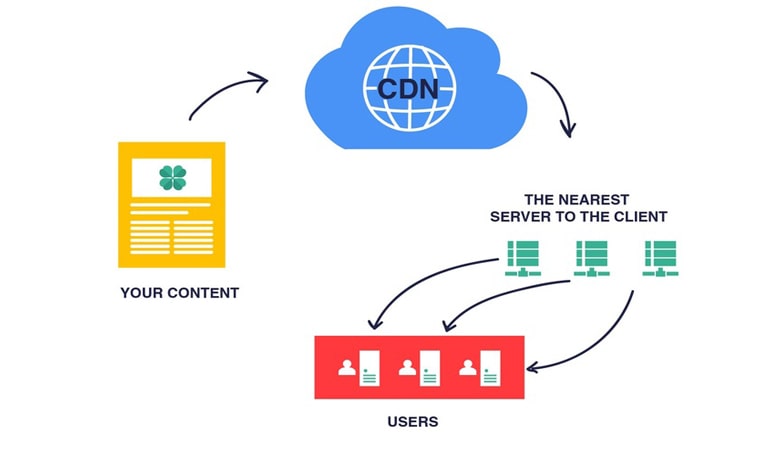
If you need better performance, high security, reliability and availability for your website content, you need to have a powerful Content Delivery Network (CDN) to deliver your website content to users who are searching for you from any location around the world.
You can get more information about CDNs and how they work in our recent article. (link to the CDN article)
But do not forget to learn more about the most popular CDN around the world. Cloudflare has the most share of CDNs in the market. Let’s check its features more and see what is Cloudflare used for.
What is Cloudflare?
Cloudflare is one of the most popular CDNs with the largest network around the world. By locating many servers in each geographical location, it can answer users’ requests from any location. Cloudflare CDN is able to handle all requests which a website receives and there wouldn’t be any unavailability for website contents.
Now it’s time to see what does Cloudflare does and check it’s featured in more detail.
How does Cloudflare work?
Cloudflare helps your visitors to deliver your website content more quickly by storing a copy of static files on each server closer to your visitor’s locations. It will cache resources such as images, JavaScript and CSS. You do not need any configurations to determine which files to be cached. One of the most prominent features of Cloudflare is that it does compression for every request.
It has many other features that we will discuss in the following.
Benefits of Cloudflare

1.High Security

Cloudflare will distinguish any potential threats and malicious traffic and stop them before reaching your main web server. DDoS is one of these threats that send many requests from different locations. Cloudflare blocks DDoS attacks and protects your website content.
2.SEO Improvement

Every website needs a proper Search Engine Optimization in each browser. By applying SEO rules on your website elements, every browser and especially Chrome give high rank to your website. Cloudflare CDN increases your SEO quality and helps your website to be seen more in SERP results.
3.Performance Improvement

By filtering your website traffic, your hosting resources have the opportunity to deliver your website content to the real users with high speed. Also, the caching system of Cloudflare speeds up your website load process by optimizing your content.
4.Free

Cloudflare is a free content delivery network to get started. You can’t find this feature in other CDNs and you can use this technology just by paying a lot of money.
5.Save Hosting Bandwidth
Cloudflare caching system helps you to save your hosting bandwidth. Cloudflare serves the cached content of your website to users and prevents them to utilize the bandwidth which you had provided on your hosting plan.
6.Fast DNS Changes
One of the popular features of Cloudflare is that it can control your DNS. So when you transfer your website to a new host, this process will be continued in some minutes.
How to setup Cloudflare for WordPress?
If you are looking for an introduction to see how to install an official Cloudflare plugin on your WordPress website, here we explain the whole process you need to pass in order to setup Cloudflare on your WordPress website.
Choosing the best WordPress hosting is one of the main elements to improve your website performance.
Step 1: Add your site to Cloudflare
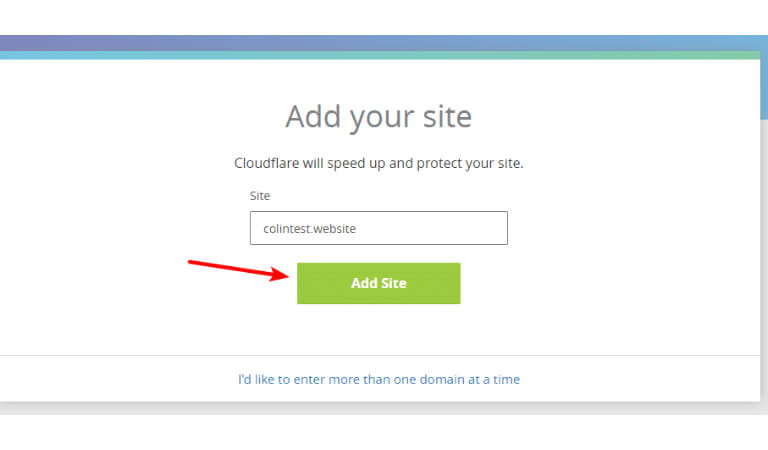
At first, you need to create an account on the Cloudflare website and add your website into its platform. In order to add your website, enter your domain name and click on the “Add Site” button.
In this step, by facing the page with the title of “We’re querying your DNS records”, click on the “Next” button to continue the process.
You will be offered by various plans of Cloudflare services, and you can select the free one and click on the “Confirm Plan” button.
Step 2: Verify DNS Records
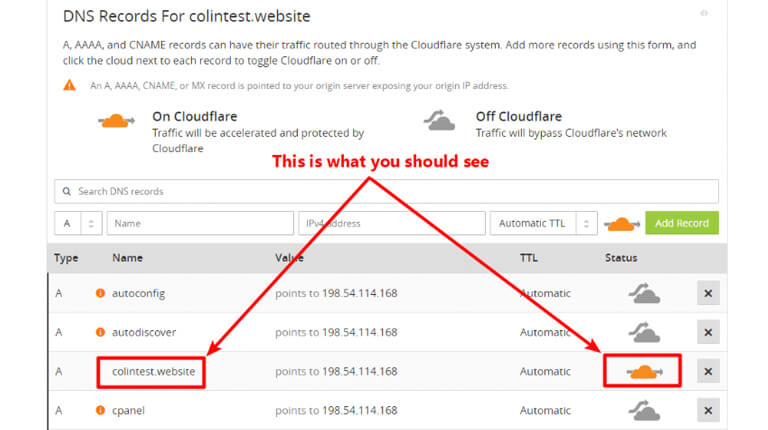
Here you are asked to verify your DNS records. When you do so, there should be an orange cloud dedicated to the Cloudflare brand in front of your domain name.
When you become sure about your DNS records verification, click on the “Continue” button.
Step 3: Change your nameservers to Cloudflare nameservers
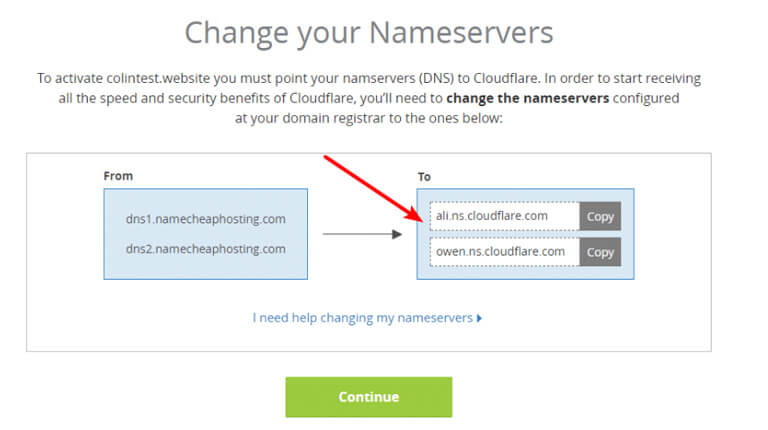
Cloudflare should manage everything at a DNS level, So you need to verify your nameserver.
On the page with the title of “Change your Nameserver”once you applied the requested process, click on the “Continue” button.
You should wait till some minutes up to 24 hours that your new nameservers will be applied.
Note that the process will be done successfully and status is changed to “Active”.
These are the basic configurations process of Cloudflare. Now it’s time to see how to install official Cloudflare plugin on your WordPress website.
Step 4: Install, activate and sign in to your Cloudflare account
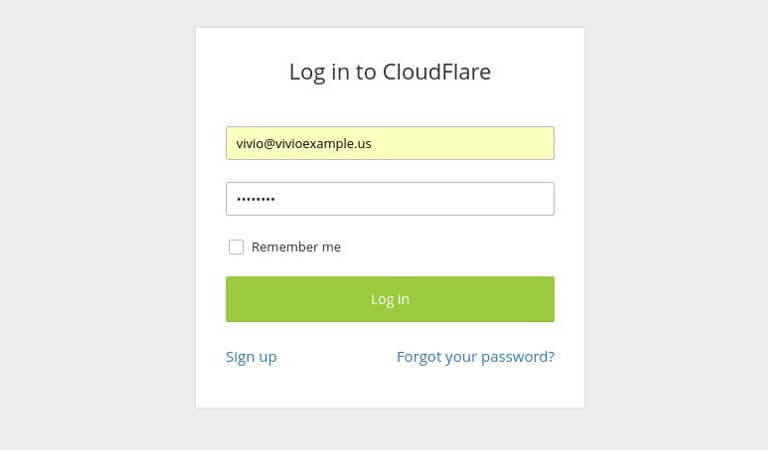
Search for the official plugin of WordPress, install and then activate it. Then go to the plugin setting and sign in to your account which you had already created in the Cloudflare website.
Here you need to enter your email and API key. Find your API key within your profile and the API key section. Paste it into your plugin and click on “Save API Credentials” and then click the “Apply” button on the homepage of this plugin within your WordPress.
Now the process of Cloudflare configuration has been done, but here are some more tips to use Cloudflare on WordPress:
- If you have installed any plugin to minify your website codes, you should disable this feature in the Cloudflare plugin in the “speed” tab.
- If you have installed an SSL on your site, you should you through the “Crypto” tab within the Cloudflare plugin and choose “Full SSL” instead of “Flexible SSL”.
Now we know what is Cloudflare, it’s benefits and the way how to set up Cloudflare for WordPress. There are many tips to see how does Cloudflare work. Cloudflare would be a suitable choice for your website because every user in any location can visit your website in no time. This is the most essential factor that can convert your visitors to loyal customers.
Cloudflare vs. Traditional Hosting: Key Differences
Cloudflare acts as a reverse proxy, sitting between your website visitors and the server, providing security and performance enhancements. In contrast, traditional hosting services directly connect users to the server without these intermediary benefits. Cloudflare’s global network of data centers helps to reduce latency by caching content closer to users and provides DDoS protection, unlike standard hosting solutions.
Step-by-Step: Setting Up Cloudflare for WordPress
- Sign up for a Cloudflare account and add your WordPress site.
- Update your domain’s nameservers to those provided by Cloudflare.
- Install the Cloudflare WordPress plugin to manage settings directly from your WordPress dashboard.
- Configure performance and security settings according to your needs.
Cloudflare Pricing Plans
| Plan | Features | Cost |
|---|---|---|
| Free | Basic protection, global CDN, DDoS mitigation | $0/month |
| Pro | Advanced security, image optimization, mobile optimization | $20/month |
| Business | Custom SSL, priority support, advanced performance features | $200/month |
FAQ
What does Cloudflare do for my website?
Cloudflare improves your website’s speed and security by acting as a content delivery network and providing DDoS protection, SSL encryption, and more.
Is Cloudflare free to use?
Yes, Cloudflare offers a free plan that includes essential features such as CDN and basic DDoS protection, with premium plans for more advanced needs.
How does Cloudflare improve website performance?
Cloudflare caches content at its global data centers, reducing the distance data has to travel, which speeds up load times for users worldwide.
For a more comprehensive hosting solution, explore our web hosting options to complement Cloudflare’s services.
How Cloudflare Works: Behind the Scenes
Cloudflare operates by acting as a reverse proxy between your website’s server and its visitors. When a user accesses your site, their request is routed through Cloudflare’s global network, which intelligently determines the optimal path for data transfer. This not only reduces latency but also provides an additional layer of security by masking the origin server’s IP address.
One of the key components of Cloudflare’s operation is its content delivery network (CDN). The CDN caches static content at data centers located strategically around the world. This means when a user accesses your site, the content is delivered from the nearest data center, significantly speeding up load times. Additionally, Cloudflare uses Anycast technology to route traffic efficiently, ensuring minimal downtime and maximum availability.
Comparing Cloudflare with Other CDN Services
While Cloudflare is a popular choice for many website owners, it’s important to understand how it compares to other CDN services like Akamai, Amazon CloudFront, and Fastly. Each of these services offers unique features and benefits that might suit different needs.
- Akamai: Known for its extensive network and enterprise-level solutions, Akamai is often the choice for large businesses needing robust security and performance. However, it can be more expensive and complex to set up compared to Cloudflare.
- Amazon CloudFront: Integrated with AWS, CloudFront is ideal for businesses already using Amazon’s ecosystem. It provides customizable options and scalability but may require more technical expertise to manage effectively.
- Fastly: Fastly is designed for real-time analytics and instant purging capabilities, making it suitable for dynamic content sites. It offers high configurability, but like CloudFront, it might be more complex for beginners.
Cloudflare stands out with its ease of use, free tier, and comprehensive security features, making it accessible for small to medium-sized businesses looking for a balance of performance and cost-effectiveness.
Best Practices for Configuring Cloudflare
To maximize the benefits of Cloudflare, it’s essential to configure it correctly. Start by enabling SSL/TLS encryption to ensure secure data transmission between your server and users. Cloudflare offers different levels of SSL, including Flexible, Full, and Full (Strict), each providing varying degrees of security based on your server’s setup.
Utilizing Cloudflare’s caching features is another best practice. By configuring the caching level to ‘Standard’ or ‘Aggressive,’ you can reduce server load and improve site speed. Also, consider setting up page rules to customize caching and security settings for specific URLs, allowing for more granular control over how content is delivered and protected.
Finally, regularly monitor your site’s performance through Cloudflare’s analytics dashboard. This will help you identify potential issues and optimize settings as needed to maintain optimal performance and security.
Troubleshooting Common Cloudflare Issues
While Cloudflare can enhance your website’s performance and security, users may occasionally encounter issues. One common problem is the “Error 522: Connection Timed Out,” which usually indicates that Cloudflare cannot establish a connection with the origin server. To resolve this, check your server’s firewall settings to ensure Cloudflare’s IP ranges are whitelisted.
Another frequent issue is the “Error 520: Web Server Is Returning an Unknown Error.” This can occur due to misconfigurations on the origin server. Review server logs for any unusual activity and ensure that your server is correctly configured to handle Cloudflare’s requests.
If you experience caching problems, such as outdated content being served, try purging the cache from Cloudflare’s dashboard. This forces Cloudflare to fetch the latest content from your origin server, ensuring users receive up-to-date information.
Practical Use Cases for Cloudflare
Cloudflare offers a wide array of services that cater to different needs, making it a versatile tool for various scenarios. Understanding these use cases can help businesses leverage Cloudflare more effectively.
- Website Performance Optimization: Cloudflare’s content delivery network (CDN) distributes content across multiple global servers, reducing latency and improving load times for users by serving content from the nearest server location.
- Security Enhancement: With features like DDoS protection, Web Application Firewall (WAF), and SSL/TLS encryption, Cloudflare acts as a robust shield against cyber threats, ensuring data integrity and confidentiality.
- Load Balancing: For websites with high traffic, Cloudflare’s load balancing capabilities help distribute traffic evenly across multiple servers, preventing overload and ensuring seamless user experiences.
Comparing Cloudflare with Other CDN Providers
While Cloudflare is a leading name in the CDN industry, it’s essential to understand how it stacks up against other providers. This comparison can guide businesses in choosing the right CDN service.
| Feature | Cloudflare | Amazon CloudFront | Fastly |
|---|---|---|---|
| Global Network | 200+ data centers | 200+ edge locations | 70+ PoPs |
| Security Features | Advanced DDoS, SSL, WAF | Basic DDoS, SSL | Customizable WAF, TLS |
| Pricing Model | Freemium with paid plans | Pay-as-you-go | Usage-based |
Cloudflare’s comprehensive free tier and robust security features make it a strong contender, especially for small to medium-sized businesses. In contrast, Amazon CloudFront and Fastly offer more granular control and are often preferred by enterprises with specific needs.
Best Practices for Implementing Cloudflare
To maximize the benefits of Cloudflare, it’s important to follow best practices during implementation. These practices ensure optimal performance and security for your web presence.
- Enable Always Online: This feature keeps a cached version of your site available to users even if your server goes offline, ensuring continuous access.
- Optimize Caching Rules: Customize caching settings to balance between performance and data freshness, leveraging features like Page Rules to fine-tune cache behavior.
- Regularly Monitor Analytics: Use Cloudflare’s analytics to track traffic patterns, security incidents, and performance metrics, allowing for informed adjustments and enhancements.
Troubleshooting Common Cloudflare Issues
While Cloudflare is designed to enhance performance and security, users may encounter common issues that require troubleshooting. Understanding these issues and their solutions can help maintain seamless operations.
DNS Resolution Errors: If users are experiencing DNS resolution issues, ensure that DNS records are correctly configured in Cloudflare’s dashboard. Verify that the domain’s nameservers are pointing to Cloudflare.
SSL Certificate Problems: SSL-related issues can arise if the SSL mode is not properly configured. Ensure that the SSL/TLS settings in Cloudflare match the server’s configuration, and consider using Cloudflare’s Universal SSL for automatic certificate management.
Cache Purge Delays: If changes to your site are not reflecting immediately, manually purge the cache through the Cloudflare dashboard to force an update. This ensures that users see the latest version of your content.
Leave a Reply