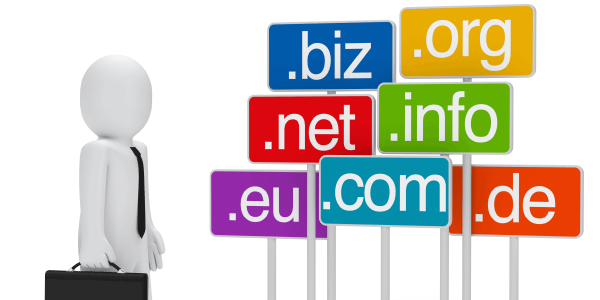
Understand the Importance of Your Domain as a Brand
Your domain name is not just an address for your website; it is a critical component of your brand identity. As the first point of contact for many customers, your domain name can significantly influence perceptions of your brand and set the tone for all subsequent interactions.
This article is part of Rackset’s Hosting guides — browse the rest of the category for more in-depth tutorials on this topic.
Why Your Domain is Your Brand
A strong domain name can contribute to brand recognition, trust, and credibility. Consider the following points:
- Memorability: A catchy and easy-to-remember domain name helps users recall your brand effortlessly, enhancing word-of-mouth marketing.
- Consistency: A domain name that aligns with your business name and core values reinforces your brand message across all platforms.
- Professionalism: A well-chosen domain name can convey professionalism and establish trust with potential customers.
- SEO Benefits: Including relevant keywords in your domain can improve search engine rankings, making your site more visible to potential customers.
Characteristics of a Strong Domain Brand
When selecting a domain name, consider these characteristics to ensure it supports your branding efforts:
- Simplicity: Keep it short and simple to avoid confusion and ensure ease of use.
- Relevance: Ensure the domain is relevant to your business or industry, making it intuitive for users.
- Uniqueness: Choose a domain that stands out from competitors and avoids trademark issues.
- Extension: Opt for a popular domain extension like .com, which is widely recognized and trusted.
Examples of Successful Domain Brands
| Company | Domain | Reason for Success |
|---|---|---|
| google.com | Simple, memorable, and synonymous with search. | |
| Amazon | amazon.com | Short, relevant, and reflects the vastness of offerings. |
| twitter.com | Unique, easy to remember, and captures the essence of the platform. |
In summary, your domain name is a foundational element of your brand strategy. By choosing a domain that is simple, relevant, and unique, you can establish a strong brand presence online.
Selecting the Right Top-Level Domain (TLD)
Choosing the right Top-Level Domain (TLD) is a crucial step in the domain selection process. A TLD is the suffix at the end of your domain name, such as .com, .net, or .org. The TLD you choose can influence your website’s branding, search engine optimization (SEO), and audience perception.
Understanding TLD Types
- Generic TLDs (gTLDs): These include common extensions like
.com,.net, and.org. They are widely recognized and trusted by users globally. - Country Code TLDs (ccTLDs): These are specific to countries or regions, such as
.ukfor the United Kingdom or.cafor Canada. They are ideal for targeting local audiences. - New gTLDs: These are newer extensions like
.shop,.blog, or.tech. They can be used creatively to reflect the nature of your business or website.
Factors to Consider When Choosing a TLD
- Relevance: Ensure the TLD aligns with your website’s purpose. For example,
.orgis often used for non-profit organizations, while.eduis designated for educational institutions. - Audience: Consider your target audience. If you are focusing on a specific country, a ccTLD might be more appropriate.
- SEO Impact: While TLDs have a minimal direct impact on SEO, a familiar TLD like
.commay enhance credibility and click-through rates. - Availability: Popular TLDs like
.commay not be available for your desired domain name, so be prepared to consider alternatives.
Comparing Popular TLDs
| TLD | Use Case | Popularity |
|---|---|---|
| .com | Commercial entities | Highly popular |
| .org | Non-profit organizations | Widely recognized |
| .net | Network services | Common alternative |
| .co | Startups and businesses | Gaining popularity |
Conclusion
Choosing the right TLD is a strategic decision that can impact your website’s branding and reach. By understanding the types of TLDs and considering factors such as relevance, audience, and availability, you can select a TLD that complements your domain name and supports your website’s goals.
Ensuring Your Domain is Easy to Type and Remember
Choosing a domain name that is easy to type and remember is crucial for establishing a strong online presence. A memorable domain not only aids in brand recognition but also ensures that visitors can easily return to your site. Here are some practical tips to ensure your domain is user-friendly:
Keep It Short and Simple
Short domain names are easier to type and remember. Aim for a domain name that is between 6 and 14 characters. Avoid using complex words or phrases that might confuse users. Simplicity is key to ensuring your domain is accessible to a wider audience.
Avoid Numbers and Hyphens
Numbers and hyphens can create confusion. For instance, users might not know whether to type the numeral or spell out the number. Similarly, hyphens are often forgotten or misplaced. A domain like mywebsite.com is preferable to my-website-123.com.
Use Keywords Wisely
Incorporating relevant keywords can help with SEO and convey the nature of your business. However, ensure that the domain still reads naturally and is not overly stuffed with keywords. For example, if you run a bakery, a domain like sweetbakes.com can be both descriptive and easy to remember.
Consider Pronunciation and Spelling
Your domain should be easy to pronounce and spell. This makes it easier for users to share it verbally and reduces the chances of typos. Test your domain by saying it out loud to others and see if they can spell it correctly without assistance.
Conduct a Memory Test
Once you’ve chosen a potential domain, conduct a memory test. Share it with a few people and ask them to recall it after a few days. If they remember it easily, you’re on the right track.
Read more: 11 Effective Tips for Choosing a Domain Name
If you need this service, Rackset’s team provides professional domain registration with full support so you can rely on the quality and get set up quickly.
Summary Table: Key Points
| Tip | Description |
|---|---|
| Keep It Short | 6-14 characters, avoid complexity |
| Avoid Numbers and Hyphens | Reduces confusion and errors |
| Use Keywords Wisely | Enhance SEO, maintain readability |
| Consider Pronunciation | Easy to say and spell |
| Conduct a Memory Test | Ensure recallability |
By following these guidelines, you can choose a domain name that is not only easy to type and remember but also effectively represents your brand and enhances your online visibility.
Checking Social Media Availability
Once you have a shortlist of potential domain names, it’s crucial to ensure that these names are also available on social media platforms. Consistent branding across your website and social media profiles is essential for building a strong online presence. Here are some steps to help you check social media availability:
Why Social Media Consistency Matters
Having the same name across all platforms makes it easier for users to find and recognize your brand. It also reduces confusion and strengthens your brand identity. Inconsistent naming can dilute your brand and make it harder for users to connect with you.
Steps to Check Social Media Availability
- Make a List of Platforms:
Identify the social media platforms that are most relevant to your audience. Common platforms include Facebook, Twitter, Instagram, LinkedIn, and Pinterest.
-
Use Social Media Name Check Tools:
There are several online tools that can help you check the availability of your desired name across multiple platforms simultaneously. Some popular options include:
- Manual Search:
If you prefer, you can manually search each platform to verify the availability of your desired name. This method ensures that you see firsthand if the name is in use or if there are similar names that might cause confusion.
- Consider Variations:
If your exact domain name is unavailable, consider using variations that still align with your brand. For example, you could add a prefix or suffix, or use a shortened version of your name.
Register Your Social Media Handles
Once you’ve found an available name that matches your domain, register your social media handles immediately. This prevents others from claiming them and ensures your brand consistency across platforms.
Final Tips
- Keep your social media handles as short as possible for easy recall.
- Avoid using numbers or special characters, as they can be confusing or hard to remember.
- Regularly check for new platforms that might be relevant to your brand and secure your name there as well.
Choosing a Scalable Domain Name
When selecting a domain name, it’s important to consider its scalability. A scalable domain name allows your website to grow and adapt to new opportunities, services, or markets without the need to change the domain name. Here are some key considerations to ensure your domain name is scalable:
Keep It Broad Yet Relevant
While it’s tempting to choose a domain name that exactly matches your current product or service, consider keeping it broad enough to accommodate future growth. For example, if you currently sell only shoes, a domain like bestfootwear.com might be more scalable than bestshoes.com, allowing you to expand into other types of footwear in the future.
Future-Proof Your Domain
- Consider Long-Term Goals: Reflect on your business’s long-term goals and choose a domain name that aligns with your future vision.
- Avoid Trends: While trendy terms might be popular now, they can quickly become outdated. Opt for timeless language that can stand the test of time.
Global Appeal
If you plan to expand internationally, ensure your domain name is easy to pronounce and understand in different languages. Avoid using slang or culturally specific terms that might not translate well globally.
Read more: Choosing Between .com and .ae for Your Business Domain
Domain Extensions
Consider the domain extension that best suits your business and its scalability. While .com is the most popular and widely recognized, there are numerous other options like .net, .org, or industry-specific extensions like .tech or .store that might align better with your future plans.
Choosing and registering the right domain is your online identity. Through Rackset’s domain names you can search your ideal name and register it instantly with full support.
Example Table of Domain Extensions
| Extension | Use Case |
|---|---|
| .com | General commercial use |
| .net | Network services |
| .org | Non-profit organizations |
| .tech | Technology-related businesses |
| .store | Online stores and e-commerce |
Check for Trademarks
Before finalizing your domain name, ensure it doesn’t infringe on any existing trademarks. This not only protects you legally but also ensures that your brand remains unique and recognizable.
By choosing a scalable domain name, you set a strong foundation for your website’s growth and evolution, ensuring it remains relevant and effective as your business expands.
Avoiding Trademark Issues
When choosing a domain name, it’s essential to ensure that you are not infringing on any existing trademarks. Trademark issues can lead to legal disputes, which can be costly and damaging to your brand. Here are some practical steps to avoid trademark issues:
Conduct a Trademark Search
Before registering a domain name, perform a comprehensive trademark search. This involves checking existing trademarks to ensure your chosen name is not already in use. You can use online databases such as the United States Patent and Trademark Office (USPTO) for U.S. trademarks or the World Intellectual Property Organization (WIPO) for international checks.
Check Domain Registries
Look up your desired domain name in domain registries to see if it has already been registered. This can help you avoid potential conflicts with existing domain names that might not be trademarked but are well-known.
Consider Variations and Misspellings
Think about variations or common misspellings of your domain name. Registering these variations can help protect your brand and prevent others from capitalizing on your traffic by using similar names.
Example Table: Domain Variations
| Original Domain | Variation |
|---|---|
| example.com | exampel.com |
| example.com | exampleco.com |
Consult a Trademark Attorney
If you’re uncertain about the trademark status of your domain name, it may be wise to consult a trademark attorney. They can provide legal advice and help you navigate the complexities of trademark law, ensuring your domain name is safe to use.
Use Original and Unique Names
Creating a unique and original domain name is one of the best ways to avoid trademark issues. Aim for a name that reflects your brand’s identity and is distinct from existing names in your industry.
Monitor Your Domain
After securing your domain name, continue to monitor for potential trademark conflicts. This can include setting up alerts for new trademark filings that might infringe on your brand.
By following these steps, you can minimize the risk of trademark disputes and ensure that your domain name stands as a strong and legally sound representation of your brand.
Read more: Understanding the .net Domain Name
Utilizing Keywords Wisely in Your Domain
Incorporating relevant keywords into your domain name can be a strategic way to enhance your site’s visibility and improve search engine rankings. However, it’s essential to use keywords wisely to maintain a balance between SEO benefits and brand identity.
If you need this service, Rackset’s team provides professional SSL certificate with full support so you can rely on the quality and get set up quickly.
Why Keywords Matter
Keywords are the terms and phrases that potential visitors use to search for content related to your site. Including these in your domain name can:
- Improve search engine rankings.
- Provide immediate context about the site’s content.
- Attract the right audience by setting expectations.
Best Practices for Using Keywords
Keep It Short and Memorable
While it’s tempting to stuff your domain with keywords, a shorter, memorable name is more effective. Aim for a balance between keyword relevance and simplicity. For example, instead of bestaffordablelaptopsforstudents.com, consider studentlaptops.com.
Avoid Overstuffing
Keyword stuffing can make your domain look spammy and unprofessional. It can also negatively impact your SEO efforts. Stick to one or two primary keywords that best represent your brand and offerings.
Maintain Brand Identity
Your domain should still reflect your brand’s identity. If your brand name is already strong, consider integrating a keyword in a subdomain or subdirectory instead. For example:
www.brandname.com/keyword
keyword.brandname.com
Examples of Effective Keyword Use
| Domain | Keyword | Brand Consideration |
|---|---|---|
| techgadgets.com | Tech, Gadgets | Focus on technology products |
| healthylivingtips.com | Healthy Living | Emphasis on wellness advice |
| citybakeries.com | City, Bakeries | Local bakery directory |
By thoughtfully integrating keywords into your domain name, you can enhance your website’s discoverability while maintaining a strong brand presence.
Considering Domain Length and Simplicity
When choosing a domain name, length and simplicity are two critical factors to consider. A concise and straightforward domain name is easier for users to remember, type, and share, which can significantly impact your website’s traffic and brand recognition.
Why Length Matters
Shorter domain names are generally more effective for several reasons:
- Memorability: Short domain names are easier to remember, which means users are more likely to return to your site.
- Typing Ease: A shorter name reduces the chances of misspellings when users type it into their browsers.
- Visual Appeal: Short names are more visually appealing and easier to fit into marketing materials, such as business cards and advertisements.
Keeping It Simple
Simplicity in a domain name ensures that users can easily understand and recall it. Consider these tips for maintaining simplicity:
- Avoid Complex Words: Steer clear of long or complicated words that may confuse users.
- Limit Special Characters: While hyphens and numbers are allowed, they can often lead to confusion. For example, users might forget to include a hyphen or may not know whether to use the digit ‘2’ or the word ‘two’.
- Stick to Common Terms: Use words that are familiar and relevant to your audience and industry.
Examples of Effective Domain Names
| Domain Name | Reason for Effectiveness |
|---|---|
| google.com | Short, easy to pronounce, and memorable. |
| amazon.com | Simple, relevant to the brand, and easy to spell. |
By focusing on length and simplicity, you can select a domain name that not only represents your brand effectively but also enhances user experience and promotes online success.
Secure Your Ideal Domain Now
Your domain name is your website’s first impression. With Rackset’s streamlined search and registration, finding the perfect match has never been easier.
Claim your unique domain today!
Conclusion
Choosing the perfect domain name is a critical step in establishing your online presence. It requires a balance between creativity, relevance, and practicality. By considering factors such as simplicity, memorability, brand alignment, and SEO impact, you can select a domain name that not only resonates with your audience but also supports your business goals. Remember to check for availability and potential trademark issues to avoid future complications.
Once you’ve selected the ideal domain name, securing it quickly is essential to prevent others from registering it. At Rackset, we offer a seamless domain registration process along with comprehensive web hosting solutions to help you get your website up and running with ease. Take the next step in your online journey by exploring our domain registration and hosting services today.
Frequently Asked Questions
What are the key factors to consider when choosing a domain name?
When choosing a domain name, consider factors such as simplicity, relevance to your brand, and ease of pronunciation and spelling. Ensure it’s short and memorable, and avoid using numbers or hyphens. Check for trademark issues and confirm domain availability across different extensions.
How important is the choice of a domain extension?
The domain extension can significantly impact your site’s perception. Common extensions like .com are widely recognized and trusted, while niche extensions like .tech or .store can convey specific industry relevance. Consider your audience and brand when selecting an extension.
Should I include keywords in my domain name?
Including keywords in your domain can be beneficial for SEO, as it may help with search engine rankings. However, prioritize a natural and brandable name over keyword stuffing. A balanced approach can enhance both visibility and brand identity.
How can I check if a domain name is available?
You can check domain availability using a domain registration platform or a WHOIS lookup tool. Simply enter the desired domain name to see if it’s available for registration or if it’s already taken.
What should I do if my preferred domain name is already taken?
If your preferred domain name is taken, consider using a different extension, adding a relevant word, or opting for a creative alternative. You can also check if the current owner is willing to sell it, but be prepared for potential costs.

Behzad Nategh is the Founder and CEO of Rackset, with 20+ years in web hosting, cloud infrastructure, and web design. He writes on hosting, domains, security, and growing an online business.
Leave a Reply