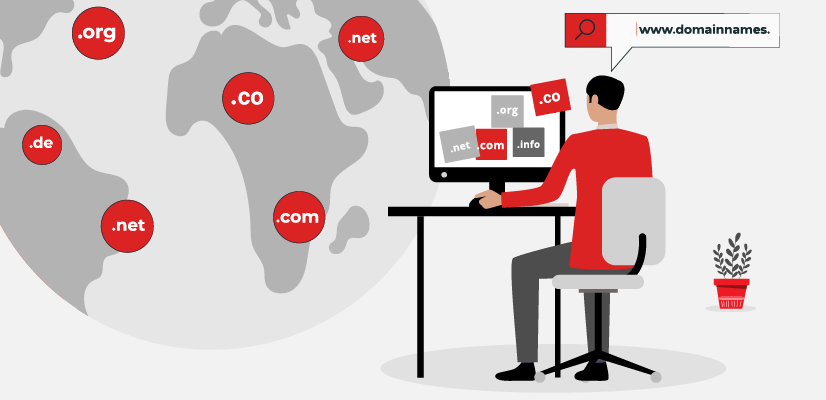
Why Choosing the Right Domain Name Matters
Choosing the right domain name is a critical step in establishing your online presence. It is more than just a web address; it is a reflection of your brand, your business, and your identity on the internet. Here are several reasons why selecting the perfect domain name is essential:
This article is part of Rackset’s Hosting guides — browse the rest of the category for more in-depth tutorials on this topic.
Brand Identity and Recognition
Your domain name is often the first impression users have of your brand. A memorable and relevant domain name can significantly enhance brand recognition and recall. It serves as a powerful marketing tool that helps distinguish your brand from competitors and makes it easier for visitors to remember your website.
SEO Benefits
A well-chosen domain name can also contribute to your website’s search engine optimization (SEO). Including relevant keywords in your domain name can improve your site’s visibility on search engines, helping potential customers find you more easily. While not the sole factor in SEO, it complements other strategies to boost your online presence.
Trust and Credibility
Internet users often associate certain domain extensions with credibility and trust. For example, .com is widely recognized and trusted by users globally. A domain name that aligns with your business’s professionalism can foster trust and encourage users to engage with your site, increasing conversion rates.
Legal Considerations
Choosing a domain name that is too similar to an existing brand can lead to legal disputes and potential rebranding costs. Ensuring your domain name is unique and not infringing on trademarks is crucial to avoid legal complications and protect your brand’s integrity.
Future-Proofing Your Business
Your domain name should be versatile enough to accommodate future growth and changes in your business. Selecting a name that is not overly specific allows you to expand your offerings or pivot your business model without the need to change your domain name, which can be costly and disruptive.
In conclusion, the right domain name is a foundational element of your website that impacts your brand’s identity, SEO, credibility, and future growth. Investing time and thought into selecting the perfect domain name is a decision that can yield long-term benefits for your online success.
Prioritize the .com Extension
When selecting a domain name for your new website, one of the most crucial decisions is choosing the right domain extension. Among the myriad of available options, the .com extension stands out as the most recognized and trusted globally. Here’s why you should prioritize it:
Why .com is the Preferred Choice
- Universal Recognition: The .com extension is synonymous with the internet itself. Most users instinctively associate websites with .com, making it the default choice when typing a URL.
- Credibility and Trust: A .com domain is often perceived as more professional and credible compared to other extensions. It conveys a sense of legitimacy to potential visitors.
- SEO Benefits: While search engines like Google don’t explicitly favor .com over other extensions, the familiarity and trust associated with .com can lead to better click-through rates and user retention, indirectly benefiting SEO.
- Memorability: People are more likely to remember a .com domain, reducing the chances of losing traffic to competitors with similar names but different extensions.
Considerations When .com is Unavailable
Sometimes, your ideal domain name with a .com extension might already be taken. Here are some strategies you can employ:
- Explore Variations: Try adding relevant keywords, hyphens, or modifying the name slightly to find an available .com.
- Check Availability: Use domain name search tools to check if your desired .com domain is available for purchase on secondary markets.
- Consider Alternatives: If a .com is unattainable, opt for other reputable extensions like .net or .org, especially if they align with your brand’s nature.
Conclusion
While the allure of creative new domain extensions is tempting, the .com extension remains the gold standard for establishing a credible and memorable online presence. Prioritizing .com can significantly enhance your website’s recognition and trustworthiness, providing a solid foundation for your brand in the digital landscape.
Incorporate Relevant Keywords
When choosing a domain name, incorporating relevant keywords can significantly enhance your website’s visibility and search engine ranking. Keywords are the terms or phrases that potential visitors might use to find your services or products. By including these in your domain name, you not only improve SEO but also give users an immediate idea of what your site is about.
Read more: How to Choose the Best Domain Name for eCommerce Website 2023
If you need this service, Rackset’s team provides professional domain registration with full support so you can rely on the quality and get set up quickly.
Why Keywords Matter
Search engines like Google use algorithms to rank websites based on relevance and quality. Keywords in your domain name can signal to search engines what your website is about, potentially boosting your ranking in search results. This can lead to higher traffic and more opportunities for engagement.
How to Choose the Right Keywords
To effectively incorporate keywords into your domain name, consider the following steps:
- Identify Core Topics: Determine the main topics or themes of your website. These should be closely related to your content and the interests of your target audience.
- Research Keywords: Use tools like Google Keyword Planner or SEMrush to find popular and relevant keywords related to your core topics.
- Focus on Long-Tail Keywords: These are longer, more specific phrases that visitors are likely to use when they are closer to making a decision. They often have less competition and can be more effective for niche markets.
Examples of Keyword Incorporation
| Business Type | Potential Keywords | Example Domain Name |
|---|---|---|
| Online Bakery | cake, bakery, sweets | sweetcakesbakery.com |
| Fitness Coaching | fitness, training, health | healthfitnesstraining.com |
| Photography Services | photo, photography, portraits | portraitphotographypro.com |
Keep It Natural and Brandable
While keywords are important, ensure that your domain name remains natural and brandable. Avoid stuffing your domain with too many keywords, as this can make it hard to read and remember. Strive for a balance between keyword inclusion and a memorable, catchy name.
By thoughtfully incorporating relevant keywords into your domain name, you can enhance your website’s SEO potential while also making it clear and appealing to your audience.
Keep It Short and Memorable
When choosing a domain name, one of the most crucial factors to consider is its length and memorability. A short and memorable domain name not only helps users recall your site easily but also enhances your brand’s visibility and accessibility. Here are some tips to ensure your domain name is both short and memorable:
Why Shorter is Better
- Easy to Remember: Short domain names are easier for users to remember, making them more likely to return to your site without needing to search for it again.
- Less Room for Error: The shorter your domain name, the less likely users are to make typos when entering it into their browsers.
- Better for Branding: A concise domain name can be more effective for branding purposes, as it is typically more impactful and easier to incorporate into marketing materials.
Tips for Creating Memorable Domain Names
- Use Keywords Wisely: If possible, incorporate relevant keywords that describe your business or niche. This can help improve search engine rankings and make the domain name more intuitive.
- Avoid Complex Words: Steer clear of complex or hard-to-spell words. Simplicity aids memorability.
- Be Unique: A unique domain name stands out and is less likely to be confused with competitors.
- Consider Pronunciation: Choose a name that is easy to pronounce. This can enhance word-of-mouth marketing as users talk about your site.
Examples of Short and Memorable Domain Names
| Good Example | Why It’s Effective |
|---|---|
| zoom.com | Short, easy to spell, and directly related to the service provided. |
| dropbox.com | Memorable and descriptive of the product’s function. |
| twitter.com | Unique, easy to pronounce, and relates to the concept of short messages. |
In conclusion, keeping your domain name short and memorable is a strategic move that can significantly impact your website’s success. By applying these tips, you can create a domain name that not only resonates with your audience but also stands the test of time.
Ensure Easy Spelling and Pronunciation
When choosing a domain name, one of the most crucial aspects to consider is its spelling and pronunciation. A domain name that is easy to spell and pronounce can significantly enhance your website’s accessibility and memorability. Here are key points to keep in mind:
Why Easy Spelling Matters
An easily spelled domain name minimizes the risk of errors when users type it into their browsers. Complex or unusual spellings can lead to confusion, causing potential visitors to end up on the wrong site or abandon their search altogether.
- Reduces Errors: Simple spelling reduces the chance of typos, ensuring users reach your site without frustration.
- Enhances Word-of-Mouth: If people can spell your domain name correctly, they are more likely to share it verbally, expanding your reach.
Importance of Pronunciation
A domain name that is easy to pronounce can be beneficial for branding and marketing efforts. It allows people to easily share your website by word of mouth, which is a powerful marketing tool.
- Brand Recognition: Easy pronunciation aids in brand recall, helping your site stand out in a crowded digital landscape.
- Global Reach: Pronounceable names are more likely to be understood across different languages and cultures, broadening your audience.
Tips for Ensuring Easy Spelling and Pronunciation
- Keep It Short: Shorter names are generally easier to spell and pronounce. Aim for one or two words if possible.
- Avoid Complex Words: Steer clear of words that are difficult to spell or pronounce. This includes jargon, slang, or made-up words that aren’t intuitive.
- Test with Others: Before finalizing your domain name, test it with friends or colleagues to see if they can spell and pronounce it correctly without assistance.
- Consider Phonetics: Choose words that are phonetically straightforward. Avoid silent letters or unusual phonetic combinations.
By ensuring your domain name is easy to spell and pronounce, you not only make it more user-friendly but also increase the likelihood that visitors will remember and recommend your site to others.
Read more: 8 Tips For Choosing a Suitable Domain Name
Choosing and registering the right domain is your online identity. Through Rackset’s domain names you can search your ideal name and register it instantly with full support.
Stand Out with a Unique Domain Name
Choosing a unique domain name is crucial for establishing a memorable online presence. A distinctive name not only helps you stand out from the crowd but also enhances brand recognition and recall. Here are some practical tips to ensure your domain name is unique and effective:
1. Brainstorm Creative Ideas
Start by brainstorming words and phrases related to your business, industry, or niche. Consider using synonyms, metaphors, or industry-specific jargon that could resonate with your target audience. A creative approach can lead to a unique and catchy domain name.
2. Combine Words or Invent New Ones
Combining two or more words or creating a new word can result in a distinctive domain name. This technique can help you bypass the issue of common names being taken. For instance, brands like “Facebook” and “Instagram” are examples of invented names that have become iconic.
3. Use Thesaurus and Domain Name Generators
Utilize tools like a thesaurus to find synonyms and related words that might not immediately come to mind. Additionally, domain name generators can provide a fresh perspective by suggesting unique combinations based on keywords you input.
4. Check for Trademarks and Social Media Availability
Before finalizing your domain name, ensure it doesn’t infringe on any existing trademarks. This can save you from potential legal issues in the future. Additionally, check the availability of the name on social media platforms to maintain brand consistency across channels.
5. Opt for a Memorable and Pronounceable Name
A domain name that is easy to pronounce and remember is more likely to stick in the minds of your audience. Avoid complex or obscure words that might be difficult for users to recall or spell.
6. Leverage Niche-Specific Extensions
If your desired .com domain is unavailable, consider using niche-specific extensions that align with your brand. For example, a tech startup might use .tech, or a photography business could opt for .photography. These extensions can add a unique flair to your domain name.
7. Keep It Short and Simple
While creativity is important, it’s also essential to keep your domain name concise. Shorter names are easier to type, remember, and share. Aim for a balance between uniqueness and simplicity.
By following these tips, you can craft a unique domain name that not only reflects your brand’s identity but also helps you stand out in the digital landscape.
Read more: What Is the .net Domain Name?
Avoid Using Hyphens and Numbers
When selecting a domain name, it’s crucial to consider how easily it can be communicated and remembered by your audience. One common pitfall in domain name selection is the inclusion of hyphens and numbers. While they might initially seem like a good idea, they can lead to several issues that may negatively impact your brand and website’s accessibility.
Why Hyphens Can Be Problematic
- Pronunciation Confusion: When you verbally communicate your domain name, hyphens can create confusion. For example, if your domain is my-site.com, people may not know if you mean mysite.com or my-site.com.
- Typing Errors: Users are prone to making typing mistakes, especially on mobile devices. A hyphen adds an extra character that can easily be overlooked or misplaced, leading to a potential loss of traffic.
- Perceived Spam: Domains with hyphens are sometimes associated with spammy websites. This perception can affect your site’s credibility and trustworthiness.
The Downside of Numbers
- Ambiguity: Numbers can be confusing because it’s unclear whether they should be spelled out or written as numerals. For instance, 3cats.com could be interpreted as threecats.com.
- Memory Challenges: Just like hyphens, numbers make it harder for users to remember your domain name. A simple, straightforward name is more likely to stick in a user’s mind.
Best Practices
- Keep It Simple: Aim for a domain name that is easy to spell and pronounce.
- Stay Consistent: If your brand name includes numbers or hyphens, consider a domain without them for simplicity.
- Test It: Share your potential domain name with friends or colleagues to see if they can easily understand and remember it.
Ultimately, the goal is to create a domain name that is not only memorable and easy to communicate but also reflects your brand identity effectively. By avoiding hyphens and numbers, you enhance the usability and appeal of your website, making it more accessible to your audience.
If you need this service, Rackset’s team provides professional SSL certificate with full support so you can rely on the quality and get set up quickly.
Consider Long-term Branding Potential
When selecting a domain name, it’s crucial to think beyond the immediate launch and consider the long-term branding potential of your choice. A domain name is not just an address for your website; it is an integral part of your brand identity. Here are some key factors to consider when evaluating the long-term branding potential of a domain name:
Consistency with Brand Identity
Your domain name should align with your brand’s identity and mission. It should reflect the values, services, or products your business offers. Consistency across your domain name, company name, and overall branding ensures that your audience can easily identify and remember your brand.
Scalability
Consider whether the domain name will still be relevant if your business expands or pivots in the future. A name that is too specific to a particular product or service might limit your ability to branch out into new areas. Choose a name that allows room for growth and diversification.
Memorability and Simplicity
A memorable domain name can significantly impact your brand’s success. Aim for a name that is easy to spell, pronounce, and remember. Avoid complex words, hyphens, or numbers that might confuse potential visitors. Simplicity can enhance word-of-mouth marketing and increase traffic to your site.
Trademark Considerations
Before finalizing your domain name, conduct a thorough trademark search to ensure it does not infringe on existing trademarks. This step can prevent potential legal issues and protect your brand’s integrity. Consider consulting with a legal expert to navigate trademark complexities.
SEO Implications
While it’s important not to overstuff your domain name with keywords, having a relevant keyword can aid in search engine optimization (SEO). A domain name that naturally incorporates a keyword related to your business can improve search engine rankings and attract organic traffic.
- Ensure the domain name is relevant to your industry.
- Check for existing trademarks and potential legal conflicts.
- Test for memorability by sharing with a small group and getting feedback.
- Consider future business expansions and ensure the name remains applicable.
By taking these factors into account, you can choose a domain name that not only serves your immediate needs but also supports your brand’s long-term growth and success.
Secure Your Perfect Domain Today
Choosing the right domain name is crucial for online success. With Rackset’s seamless domain registration, you can lock in your ideal domain before someone else does.
Don’t wait—claim your domain now!
Conclusion
Choosing the right domain name is a critical step in establishing your online presence. By following these 11 effective tips, you can ensure that your domain name is not only memorable and brandable but also optimized for search engines. Remember to keep it short and simple, include relevant keywords, and avoid numbers and hyphens. It’s also important to consider the future growth of your business and ensure that the domain name aligns with your brand’s long-term vision.
As you embark on this journey, take advantage of domain name generators and check for availability across social media platforms to maintain brand consistency. Once you’ve found the perfect domain name, secure it with a reliable web hosting provider like Rackset. Our comprehensive services will support your website’s needs, from domain registration to hosting and beyond. Start building your online identity today with confidence and ease.
Frequently Asked Questions
What are the key considerations when choosing a domain name?
When choosing a domain name, consider its length, relevance to your brand, memorability, and ease of spelling. Ensure it reflects your business identity and is easy for users to remember and type.
Why is it important to choose the right domain extension?
The domain extension can impact your website’s credibility and relevance. While .com is the most popular, alternatives like .net, .org, or industry-specific TLDs can be more suitable for your brand’s identity and target audience.
How can I ensure my domain name is SEO-friendly?
To make your domain name SEO-friendly, include relevant keywords that reflect your business or industry. Avoid using hyphens or numbers, as these can confuse users and search engines.
What should I do if my desired domain name is already taken?
If your desired domain name is unavailable, consider alternative extensions, slight variations, or adding a keyword to the name. You can also check if the current owner is willing to sell the domain.
How does a domain name impact brand perception?
A well-chosen domain name can enhance brand recognition and trust. It should be easy to pronounce, spell, and convey your brand’s message clearly to create a positive impression.

Behzad Nategh is the Founder and CEO of Rackset, with 20+ years in web hosting, cloud infrastructure, and web design. He writes on hosting, domains, security, and growing an online business.
Leave a Reply