Introduction to Cloud Servers
In today’s digital landscape, the term “cloud” is ubiquitous. From cloud storage to cloud computing, the concept has become integral to both personal and business computing environments. However, the specific term “cloud server” can still cause confusion. What exactly is a cloud server, and how does it function within the broader scope of cloud technology?
This article is part of Rackset’s Server guides — browse the rest of the category for more in-depth tutorials on this topic.
What Is a Cloud Server?
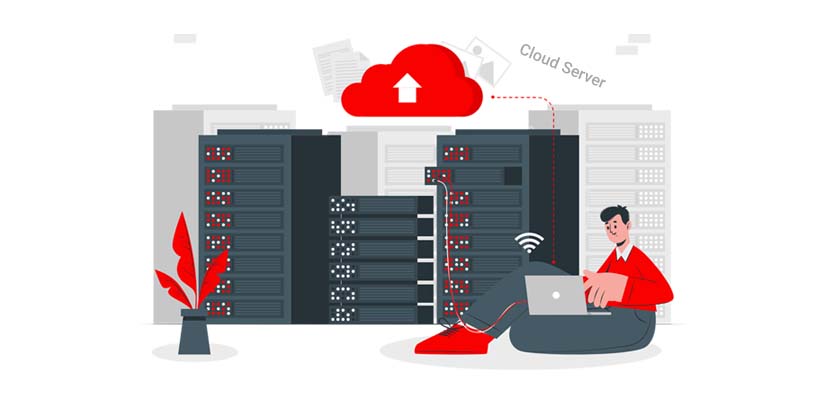
A cloud server is a virtual server that runs in a cloud computing environment. Unlike traditional physical servers, cloud servers are hosted on a network of interconnected servers that work together to provide scalable and flexible computing resources. This interconnected network is often referred to as “the cloud.”
Cloud servers are leased as part of a service, which can include web hosting, data storage, and application hosting. These services are delivered over the internet, allowing users to access them from anywhere with an internet connection.
Types of Cloud Servers
- Public Cloud Servers: These are hosted by third-party providers and are available to multiple clients. They offer scalability and cost-efficiency but may have limitations in terms of customization and security.
- Private Cloud Servers: Dedicated to a single organization, these servers offer enhanced security and control. They can be hosted on-premises or by a third-party provider.
- Hybrid Cloud Servers: Combining elements of both public and private clouds, hybrid servers offer flexibility and scalability while maintaining some level of control and security.
Role of Cloud Servers in Modern Business
Cloud servers have revolutionized the way businesses operate by providing scalable resources that can be adjusted to meet demand. This flexibility allows companies to optimize their IT infrastructure without the need for significant upfront investment in physical hardware.
In addition, cloud servers support a wide range of applications, from web hosting to data analytics, making them a versatile solution for businesses of all sizes. Their ability to distribute workloads across multiple servers enhances reliability and performance, ensuring business continuity even during high-traffic periods.
How Cloud Servers Operate
Cloud servers are a fundamental component of modern IT infrastructure, providing scalable and flexible resources for businesses and individuals. Understanding how these servers operate is crucial for leveraging their full potential.
Virtualization Technology
At the core of cloud server operation is virtualization technology. This technology allows physical servers to be divided into multiple virtual servers, known as virtual machines (VMs). Each VM operates independently, with its own operating system and applications, while sharing the physical resources of the host server.
Resource Allocation
- CPU: Virtual CPUs (vCPUs) are allocated to each VM, allowing them to perform computational tasks.
- Memory: Virtual RAM is provided to ensure each VM has the necessary memory to run applications efficiently.
- Storage: VMs have access to virtual storage, which can be expanded as needed.
- Networking: Virtual network interfaces allow VMs to communicate over the internet or within a private network.
Scalability and Flexibility
One of the primary advantages of cloud servers is their scalability. Resources can be dynamically allocated based on demand, allowing businesses to scale up or down without significant hardware investments. This is particularly beneficial for handling varying workloads and ensuring optimal performance.
Elastic Load Balancing
Cloud servers often utilize elastic load balancing to distribute incoming traffic across multiple VMs. This ensures that no single server is overwhelmed, improving reliability and uptime.
Automation and Management
Cloud server environments are managed through automated tools and orchestration platforms. These tools handle tasks such as provisioning, monitoring, and scaling, reducing the need for manual intervention and enhancing operational efficiency.
Common Management Tools
| Tool | Function |
|---|---|
| Terraform | Infrastructure as Code (IaC) for provisioning and managing cloud resources. |
| Kubernetes | Orchestration of containerized applications across clusters of hosts. |
| Docker | Containerization platform for deploying applications consistently. |
Security Measures
Security is a critical aspect of cloud server operation. Providers implement various measures to protect data and applications, including encryption, firewalls, and identity management systems.
Security Best Practices
- Use strong, unique passwords and multi-factor authentication.
- Regularly update and patch software to protect against vulnerabilities.
- Implement network security protocols, such as VPNs and firewalls.
Types of Cloud Servers
Cloud servers are an integral part of modern computing environments, offering flexibility, scalability, and efficiency. Understanding the different types of cloud servers can help businesses and individuals choose the best option for their needs. Here are the main types of cloud servers:
Public Cloud Servers
Public cloud servers are hosted by third-party providers and are available to multiple customers over the internet. These servers offer resources on a pay-as-you-go basis, making them cost-effective for businesses that do not want to invest in physical infrastructure.
- Advantages: Scalability, cost-effectiveness, and no need for maintenance.
- Disadvantages: Limited control over the infrastructure and potential security concerns.
Private Cloud Servers
Private cloud servers are dedicated to a single organization. They can be hosted on-premises or by a third-party provider. These servers offer greater control and security, making them ideal for businesses with specific regulatory or data privacy requirements.
If you need this service, Rackset’s team provides professional cloud server with full support so you can rely on the quality and get set up quickly.
Read more: Understanding Bare Metal vs Cloud Servers
- Advantages: Enhanced security, full control over the environment, and customization options.
- Disadvantages: Higher costs and maintenance responsibilities.
Hybrid Cloud Servers
Hybrid cloud servers combine elements of both public and private clouds. They allow data and applications to be shared between them, providing businesses with greater flexibility and more deployment options.
- Advantages: Flexibility, optimized workload management, and improved security.
- Disadvantages: Complexity in management and potential integration challenges.
Community Cloud Servers
Community cloud servers are shared by several organizations with similar interests or requirements, such as security or compliance needs. These servers can be managed internally or by a third-party provider.
- Advantages: Shared costs, enhanced collaboration, and tailored to specific community needs.
- Disadvantages: Limited scalability compared to public clouds and potential data privacy issues.
Each type of cloud server offers unique benefits and challenges. By understanding these differences, businesses can make informed decisions that align with their operational goals and technical requirements.
Benefits of Using Cloud Servers
Cloud servers have revolutionized the way businesses manage their IT infrastructure by offering a range of benefits that enhance flexibility, scalability, and cost-efficiency. Below are some of the key advantages of utilizing cloud servers:
Scalability and Flexibility
One of the most significant benefits of cloud servers is their ability to scale resources up or down based on demand. This flexibility allows businesses to handle varying workloads without the need for significant hardware investments. Whether you experience a sudden spike in traffic or need to scale down during off-peak times, cloud servers can adjust accordingly.
Cost Efficiency
Cloud servers eliminate the need for upfront capital expenditure on physical hardware. Instead, businesses can leverage a pay-as-you-go model, paying only for the resources they actually use. This approach can lead to substantial cost savings, especially for small and medium-sized enterprises that may not have the budget for extensive IT infrastructure.
Reliability and Redundancy
Cloud servers offer high reliability due to their distributed nature. Data is often stored across multiple servers and locations, providing redundancy that ensures data availability even in the event of hardware failure. This setup minimizes downtime and enhances business continuity.
Enhanced Collaboration
With cloud servers, teams can collaborate more effectively. Cloud-based applications and data can be accessed from anywhere, allowing employees to work remotely and share information in real-time. This capability is particularly beneficial in today’s increasingly remote work environments.
Security
Cloud providers invest heavily in security measures to protect data and applications. These measures include encryption, firewalls, and regular security audits. While security is a shared responsibility, cloud servers often provide a higher level of protection than many on-premises solutions.
Environmentally Friendly
By optimizing resource use and reducing the need for physical hardware, cloud servers contribute to a lower carbon footprint. Data centers managed by cloud providers are often more energy-efficient than traditional on-site servers, making cloud computing a greener choice.
| Benefit | Description |
|---|---|
| Scalability | Adjust resources based on demand without new hardware. |
| Cost Efficiency | Pay only for what you use, reducing capital expenditure. |
| Reliability | Distributed data storage minimizes downtime. |
| Collaboration | Access data and applications from anywhere. |
| Security | Advanced security measures from cloud providers. |
| Eco-Friendly | Reduced energy consumption and carbon footprint. |
Cloud Servers vs Traditional Servers
Understanding the differences between cloud servers and traditional servers is crucial for businesses making informed decisions about their IT infrastructure. Both options have unique advantages and limitations, and the choice depends on the specific needs of the organization.
Infrastructure and Deployment
Traditional servers are physical machines dedicated to a single business or purpose. They are typically housed on-premises or in a data center, requiring significant upfront investment in hardware and ongoing maintenance.
Cloud servers, on the other hand, are virtualized environments hosted on the internet. They are part of a cloud computing model where resources are pooled and shared among multiple users, allowing for flexibility and scalability.
Scalability
- Cloud Servers: Offer on-demand scalability. Resources can be adjusted easily based on current needs, providing businesses with the ability to scale up or down without significant delay or cost.
- Traditional Servers: Scaling requires purchasing additional hardware, which can be time-consuming and costly. This often leads to over-provisioning to accommodate future growth.
Cost
| Aspect | Cloud Servers | Traditional Servers |
|---|---|---|
| Initial Investment | Low | High |
| Maintenance | Managed by provider | Requires in-house or outsourced IT support |
| Pricing Model | Pay-as-you-go | Fixed costs |
Performance and Reliability
Cloud servers benefit from redundancy and load balancing, which can enhance performance and reliability. If one server fails, another can take over, minimizing downtime.
Read more: Understanding cPanel VPS and Cloud Server Hosting
Traditional servers, while potentially offering dedicated resources, may lack the redundancy of cloud environments, making them more susceptible to hardware failures unless additional infrastructure is in place.
For projects that need guaranteed resources and full root control, a VPS is the right step up from shared hosting. With VPS hosting you get dedicated CPU/RAM, NVMe storage, a dedicated IP and high uptime, deployed in minutes.
Security
Security can be a concern for both cloud and traditional servers, but the approaches differ. Cloud providers often offer robust security measures, but businesses must trust third-party providers with their data.
Traditional servers provide more control over security protocols but require a dedicated team to manage and update security measures.
In summary, the choice between cloud servers and traditional servers depends on factors such as scalability needs, budget, performance requirements, and security preferences. Understanding these differences can help businesses make strategic decisions that align with their operational goals.
Key Applications of Cloud Servers
Cloud servers have become an integral part of modern IT infrastructure, offering flexibility and scalability that traditional on-premises servers cannot match. Here are some key applications of cloud servers:
Web Hosting
Cloud servers are widely used for web hosting due to their ability to handle varying levels of traffic efficiently. They provide the resources necessary to ensure websites remain accessible and perform optimally, even during traffic spikes.
Application Development and Testing
Developers leverage cloud servers for building and testing applications. The cloud environment allows for rapid provisioning of resources, enabling teams to quickly set up development and testing environments, scale them as needed, and dismantle them when no longer necessary.
Data Storage and Backup
Cloud servers offer robust data storage solutions, making them ideal for storing large volumes of data. They provide secure, scalable storage options that can be accessed from anywhere, ensuring data is backed up and recoverable in case of hardware failure or other disasters.
Disaster Recovery
Utilizing cloud servers for disaster recovery ensures that critical data and applications are protected and can be quickly restored in the event of a disruption. This reduces downtime and minimizes the impact on business operations.
Big Data Processing
Cloud servers are essential for big data processing, providing the computational power required to analyze large datasets. They allow businesses to perform complex analyses and derive insights without investing in expensive hardware.
Software as a Service (SaaS)
Many SaaS applications are hosted on cloud servers, offering users access to software over the internet without the need for local installation. This model provides scalability, automatic updates, and cost savings for both providers and users.
Virtual Desktops
Cloud servers enable the deployment of virtual desktops, allowing employees to access their work environments from any location. This flexibility supports remote work and enhances productivity by providing consistent access to necessary tools and resources.
Internet of Things (IoT)
The IoT ecosystem relies heavily on cloud servers to manage and process the vast amounts of data generated by connected devices. Cloud servers provide the infrastructure needed to support IoT applications, ensuring efficient data handling and real-time analytics.
In summary, cloud servers are versatile tools that support a wide range of applications, driving innovation and efficiency across various industries.
Read more: Understanding Hybrid Cloud: Benefits and Implementation
Security and Reliability in Cloud Servers
In the realm of cloud servers, security and reliability are paramount concerns for businesses and individuals alike. Cloud servers offer a robust framework for safeguarding data and ensuring continuous service availability, making them a preferred choice for modern computing needs.
When you need to scale on demand, cloud hosting spreads your site across redundant infrastructure for better uptime and performance during traffic spikes.
Security Features of Cloud Servers
Cloud servers are equipped with a multitude of security features designed to protect data and applications from unauthorized access and cyber threats. Some of the key security measures include:
- Data Encryption: Cloud servers employ encryption protocols to protect data both at rest and in transit, ensuring that sensitive information remains confidential.
- Access Control: Role-based access control (RBAC) and multi-factor authentication (MFA) are implemented to ensure that only authorized users can access critical resources.
- Network Security: Firewalls, virtual private networks (VPNs), and intrusion detection/prevention systems (IDS/IPS) are used to secure the network perimeter and monitor for suspicious activities.
- Regular Audits and Compliance: Cloud service providers conduct regular security audits and comply with industry standards such as ISO 27001, GDPR, and HIPAA to maintain a high level of security assurance.
Reliability of Cloud Servers
Cloud servers are designed to provide high availability and reliability, ensuring that services remain operational even in the face of hardware failures or other disruptions. Key reliability features include:
- Redundancy: Cloud infrastructure is built with redundancy at multiple levels, including data centers, servers, and network connections, to eliminate single points of failure.
- Load Balancing: Load balancing distributes incoming traffic across multiple servers, optimizing resource use and preventing overload on any single server.
- Automatic Failover: In the event of a server failure, cloud systems automatically switch to backup servers, minimizing downtime and maintaining service continuity.
- Scalability: Cloud servers can scale resources up or down dynamically based on demand, ensuring consistent performance even during traffic spikes.
Conclusion
By leveraging advanced security measures and reliability features, cloud servers provide a secure and dependable environment for hosting applications and storing data. These capabilities make cloud servers an integral part of modern IT infrastructure, offering peace of mind to businesses and individuals who rely on them for critical operations.
Future Trends in Cloud Server Technology
As cloud technology continues to evolve, several trends are shaping the future of cloud servers. These trends promise to enhance the efficiency, security, and flexibility of cloud services, making them even more integral to modern business operations.
Edge Computing
Edge computing is a significant trend that involves processing data closer to the data source rather than relying solely on centralized cloud servers. This reduces latency, improves data processing speeds, and enhances real-time decision-making capabilities. As IoT devices proliferate, edge computing will become increasingly essential, allowing cloud servers to handle massive amounts of data more efficiently.
Hybrid Cloud Solutions
Hybrid cloud solutions, which combine public and private cloud infrastructures, are gaining popularity. This model offers businesses the flexibility to choose where to place their workloads based on security, compliance, and performance needs. As organizations seek to optimize their IT environments, hybrid cloud solutions provide a balanced approach that leverages the benefits of both cloud types.
Serverless Computing
Serverless computing is another trend that is transforming how businesses deploy applications. In this model, cloud providers automatically manage the infrastructure, allowing developers to focus solely on code. This reduces operational overhead and enables faster deployment of applications. As businesses aim for agility, serverless computing will likely become more prevalent.
Enhanced Security Measures
With the increasing reliance on cloud servers, security remains a top priority. Future cloud technologies will feature advanced security measures, including AI-driven threat detection, encryption, and compliance automation. These enhancements will protect sensitive data and ensure regulatory compliance, providing peace of mind for businesses relying on cloud infrastructure.
Artificial Intelligence and Machine Learning Integration
Cloud servers will increasingly integrate AI and machine learning capabilities to optimize performance and resource allocation. These technologies will enable predictive analytics, automate routine tasks, and improve decision-making processes. As AI and machine learning continue to advance, their integration with cloud servers will drive innovation and efficiency.
Quantum Computing
Although still in its infancy, quantum computing holds the potential to revolutionize cloud server technology. Quantum computers can process complex calculations at unprecedented speeds, which could transform industries reliant on large-scale data analysis. While widespread adoption is still years away, quantum computing remains a promising area of development for future cloud servers.
In summary, the future of cloud server technology is poised for exciting developments. By embracing these trends, businesses can stay competitive in an increasingly digital world, leveraging the power of the cloud to drive innovation and growth.
Elevate Your Business with Rackset
Explore the limitless potential of cloud servers with Rackset. Our reliable and scalable solutions empower your business to stay agile and competitive.
Seize the cloud revolution today!
Conclusion
In summary, cloud servers offer versatile and scalable solutions for businesses and individuals seeking reliable and efficient hosting options. Their ability to dynamically adjust resources according to demand makes them an ideal choice for applications with fluctuating workloads. Additionally, the pay-as-you-go pricing model ensures cost-effectiveness by allowing users to pay only for the resources they consume. Enhanced security features and automatic updates further contribute to the appeal of cloud servers, providing peace of mind and reducing the burden of manual maintenance.
As you consider your hosting needs, exploring cloud server options can lead to improved performance and flexibility for your online presence. Whether you are running a small personal blog or managing a large e-commerce platform, the benefits of cloud servers can significantly enhance your operations. Take the next step by contacting Rackset to discuss how our cloud hosting solutions can be tailored to meet your specific requirements, ensuring a seamless and efficient experience.
Frequently Asked Questions
What is a cloud server?
A cloud server is a virtual server that runs in a cloud computing environment. Unlike traditional servers, cloud servers are not tied to physical hardware and can be accessed over the internet, providing flexibility and scalability.
How do cloud servers differ from traditional servers?
Cloud servers offer greater flexibility and scalability than traditional servers. They can be easily scaled up or down based on demand and do not require physical hardware maintenance, reducing operational costs.
What are the main benefits of using cloud servers?
Cloud servers provide benefits such as scalability, cost-efficiency, and reliability. They allow businesses to scale resources as needed, reduce hardware costs, and ensure high availability with minimal downtime.
Are cloud servers secure?
Cloud servers are generally secure, as they use advanced encryption and security protocols. However, users must also implement their own security measures, such as strong passwords and regular updates, to enhance protection.
Can cloud servers be used for any type of application?
Yes, cloud servers can host a wide range of applications, from websites and e-commerce platforms to data analysis and development environments. Their flexibility makes them suitable for various business needs.

Behzad Nategh is the Founder and CEO of Rackset, with 20+ years in web hosting, cloud infrastructure, and web design. He writes on hosting, domains, security, and growing an online business.
Leave a Reply