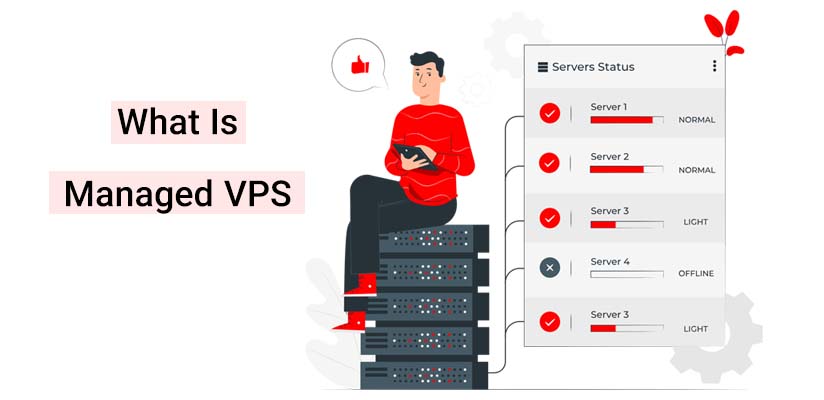
Introduction to VPS Hosting
One of the biggest challenges a new website owner faces is selecting the right hosting service. While Shared Hosting may initially seem attractive due to its low cost, it often fails to meet the growing demands of a business website. This is where VPS Hosting becomes a viable alternative, offering a more balanced solution between cost and performance.
This article is part of Rackset’s Server guides — browse the rest of the category for more in-depth tutorials on this topic.
What is VPS Hosting?
Virtual Private Server (VPS) Hosting provides a dedicated portion of a physical server to each user, ensuring resources are not shared with others. To understand this, consider a VPS as an apartment building:
- Building: Represents the primary server.
- Floors: Represent the separate virtual environments.
- Flats: Represent individual VPS instances.
While residents share common resources such as water supply and elevators, each flat operates independently, ensuring privacy and dedicated resources for its occupants. Similarly, in VPS Hosting, each server space (or “flat”) runs independently, providing users with their own operating system, storage, and bandwidth.
Advantages of VPS Hosting
- Scalability: Easily upgrade your resources as your website grows.
- Performance: Enjoy faster load times and better uptime compared to Shared Hosting.
- Control: Gain root access to customize your server environment.
- Security: Isolated environments reduce the risk of security breaches.
VPS Hosting vs. Shared Hosting
| Feature | Shared Hosting | VPS Hosting |
|---|---|---|
| Resource Allocation | Shared among all users | Dedicated to each user |
| Performance | Can be affected by other users | Consistent and reliable |
| Cost | Low | Moderate |
| Control | Limited | Full root access |
| Security | Shared environment | Isolated environment |
In summary, VPS Hosting offers a middle ground between the affordability of Shared Hosting and the power of Dedicated Hosting. It is an ideal solution for businesses that have outgrown Shared Hosting but are not yet ready for the commitment of a dedicated server.
What is Managed VPS Hosting?
Managed VPS Hosting is a type of web hosting service where the hosting provider takes care of all the technical aspects of managing a Virtual Private Server (VPS). This service is ideal for website owners who want the benefits of a VPS without the responsibility of server management.
Key Features of Managed VPS Hosting
- Server Management: The hosting provider handles server setup, maintenance, and updates, ensuring that the server runs smoothly and securely.
- Security: Managed VPS Hosting includes security monitoring and regular updates to protect your server from vulnerabilities.
- Performance Optimization: Providers often offer performance tuning to ensure your website runs efficiently.
- Technical Support: Access to expert technical support is available to assist with any issues that may arise.
- Backups: Regular backups are performed to ensure data is protected and can be restored if needed.
Benefits of Managed VPS Hosting
Choosing Managed VPS Hosting offers several advantages, especially for those who may not have the technical expertise to manage a server:
- Time-Saving: By outsourcing server management, you can focus on your core business activities.
- Expertise: Benefit from the expertise of professionals who are skilled at managing servers.
- Reliability: Managed services often provide better uptime and reliability due to proactive monitoring and maintenance.
- Scalability: Easily scale resources as your website grows without needing to manage the technical details.
Comparison Table: Managed vs. Unmanaged VPS Hosting
| Feature | Managed VPS Hosting | Unmanaged VPS Hosting |
|---|---|---|
| Server Management | Provider Managed | User Managed |
| Technical Support | 24/7 Support | Limited or No Support |
| Security | Regular Updates and Monitoring | User Responsible |
| Cost | Higher | Lower |
Benefits of Managed VPS Hosting
Managed VPS Hosting offers a range of advantages that make it an attractive option for businesses looking to scale their online presence without the complexities of handling server management. Here are some key benefits:
1. Expert Server Management
With Managed VPS Hosting, you have access to a team of experts who take care of server maintenance, updates, and security. This allows you to focus on your core business activities without worrying about the technical aspects of server management.
2. Enhanced Security
Security is a top priority with Managed VPS Hosting. Providers implement advanced security measures, including regular updates, firewalls, and monitoring, to protect your data and applications from potential threats.
3. Improved Performance
Managed VPS Hosting ensures optimal server performance by allocating dedicated resources to your website. This results in faster load times and a better user experience, which can enhance your site’s search engine rankings and customer satisfaction.
4. Scalability
As your business grows, your hosting needs may change. Managed VPS Hosting offers the flexibility to easily scale your resources up or down, ensuring that you only pay for what you need without experiencing downtime.
5. Cost-Effective Solution
While Managed VPS Hosting may have a higher upfront cost compared to Shared Hosting, it offers better value in the long run. The combination of expert management, enhanced security, and improved performance can lead to cost savings by reducing the need for in-house IT staff and minimizing potential downtime.
If you want VPS power without managing the server yourself, a managed VPS plan hands the setup, security patching and monitoring to Rackset’s team so you can focus on your project.
6. Comprehensive Support
Managed VPS Hosting comes with comprehensive support from your hosting provider. Whether you encounter technical issues or have questions about your server, support is available 24/7 to assist you, ensuring peace of mind.
7. Customization Options
Unlike Shared Hosting, Managed VPS Hosting allows for greater customization. You can tailor the server environment to meet the specific needs of your applications and business, providing a more personalized hosting experience.
In summary, Managed VPS Hosting is an excellent choice for businesses that require reliable performance, robust security, and expert support without the hassle of managing a server. It combines the benefits of a dedicated server with the affordability and flexibility of a VPS, making it an ideal solution for growing websites.
Managed vs Unmanaged VPS Hosting
Choosing between managed and unmanaged VPS hosting is crucial for website owners, as it impacts the level of control, responsibility, and technical expertise required. Both options have their advantages and disadvantages, and understanding these can help you make an informed decision.
Managed VPS Hosting
Managed VPS hosting is an ideal choice for those who prefer to focus on their business rather than managing server-related tasks. In this setup, the hosting provider takes care of server management, including:
- Server setup and configuration
- Regular updates and maintenance
- Security monitoring and patching
- Performance optimization
- Technical support and troubleshooting
This type of hosting is beneficial for individuals or businesses that lack the technical expertise or resources to manage a server. Although managed VPS hosting tends to be more expensive than unmanaged options, it provides peace of mind knowing that your server is in expert hands.
Unmanaged VPS Hosting
Unmanaged VPS hosting, on the other hand, offers more control and flexibility to the user. It is suitable for those with technical expertise who want to customize their server environment. With unmanaged hosting, the user is responsible for:
- Initial server setup and configuration
- Installing and updating software
- Monitoring server performance and security
- Troubleshooting technical issues
Unmanaged VPS hosting is generally more cost-effective than managed hosting, but it requires a higher level of technical knowledge. Users must be comfortable with Linux or Windows server environments, command-line interfaces, and server management tasks.
Comparison Table
| Aspect | Managed VPS | Unmanaged VPS |
|---|---|---|
| Server Management | Handled by provider | User responsibility |
| Cost | Higher | Lower |
| Technical Expertise Needed | Minimal | High |
| Customization | Limited | Extensive |
Ultimately, the choice between managed and unmanaged VPS hosting depends on your technical capabilities, budget, and the level of control you wish to have over your server environment. Consider your business needs and technical resources to make the best decision.
How to Choose the Right VPS Hosting
Choosing the right VPS hosting is crucial for the performance, security, and scalability of your website. Here are some key factors to consider when selecting a VPS hosting plan:
1. Assess Your Resource Needs
Before selecting a VPS plan, evaluate your website’s requirements in terms of CPU, RAM, storage, and bandwidth. This is critical to ensure that your site runs smoothly without interruptions.
Read more: Managed WordPress Hosting vs VPS Hosting: Which Is Right for You?
- CPU: Determine how many cores you need based on your site’s traffic and application requirements.
- RAM: More RAM allows for faster data processing and handling of more simultaneous users.
- Storage: Choose between SSD or HDD storage depending on your speed and capacity needs.
- Bandwidth: Ensure the plan supports your expected data transfer volume.
2. Evaluate Managed vs. Unmanaged VPS
Decide whether you need a managed or unmanaged VPS plan. Managed VPS hosting is ideal for those who prefer the hosting provider to handle server maintenance and updates, allowing you to focus on your business.
If you need this service, Rackset’s team provides professional server management with full support so you can rely on the quality and get set up quickly.
3. Check the Level of Support
Reliable customer support is essential. Ensure the hosting provider offers 24/7 support with multiple contact options (phone, chat, email) and a robust knowledge base.
4. Consider Scalability Options
Your hosting needs may change as your website grows. Choose a provider that offers easy scalability options to upgrade your resources without significant downtime.
5. Review Security Features
Security is paramount. Look for VPS hosting that includes features such as DDoS protection, regular backups, firewalls, and SSL certificates to protect your data.
6. Compare Pricing
Finally, compare the pricing of different VPS hosting plans. While cost should not be the only deciding factor, ensure that the plan offers good value for the features provided.
By carefully considering these factors, you can select the right VPS hosting that aligns with your website’s current and future needs.
Common Use Cases for Managed VPS
Managed VPS hosting offers a range of benefits that make it suitable for various applications. Here are some common use cases where Managed VPS hosting is particularly advantageous:
1. E-commerce Websites
E-commerce platforms require robust hosting solutions to handle high traffic, secure transactions, and fast loading times. Managed VPS hosting provides the necessary resources and security features to ensure smooth operation, making it a popular choice for online stores.
2. High-Traffic Blogs and Content Sites
Blogs and content-heavy websites that attract significant traffic can outgrow shared hosting quickly. Managed VPS hosting offers the scalability and performance needed to handle increased visitor loads without compromising site speed or user experience.
3. Web Applications
Developers often choose Managed VPS hosting for deploying web applications. It provides the flexibility to install custom software, configure server settings, and scale resources as needed, which is crucial for application performance and reliability.
4. SaaS Platforms
Software as a Service (SaaS) platforms require reliable and scalable hosting solutions. Managed VPS hosting offers the control and resources necessary to support SaaS applications, ensuring they run smoothly and can handle user growth.
Read more: Comparing Managed cPanel and DirectAdmin VPS Hosting
5. Development and Testing Environments
Managed VPS is ideal for setting up development and testing environments. It allows developers to create isolated environments for testing new features, applications, or updates without affecting the live site.
For projects that need guaranteed resources and full root control, a VPS is the right step up from shared hosting. With VPS hosting you get dedicated CPU/RAM, NVMe storage, a dedicated IP and high uptime, deployed in minutes.
6. Database Hosting
Databases that require high performance and availability benefit from Managed VPS hosting. It provides the dedicated resources and control needed to optimize database operations and ensure data security.
7. Remote Work Solutions
With the rise of remote work, businesses need reliable solutions for hosting remote desktop services and virtual work environments. Managed VPS hosting offers the stability and security required for remote work applications.
These use cases illustrate the versatility of Managed VPS hosting, making it an excellent choice for businesses and developers seeking a reliable, scalable, and secure hosting solution.
Additional Tips & Common Mistakes
Tips for Optimizing Managed VPS Hosting
When transitioning to a Managed VPS Hosting solution, it’s crucial to maximize its benefits. Here are some tips to help you optimize your hosting experience:
- Understand Your Resource Needs: Regularly monitor your server’s performance and resource usage. This helps in scaling your resources up or down as needed, ensuring you only pay for what you use.
- Utilize Caching: Implement caching mechanisms to reduce server load and improve website speed. Tools like Varnish or Memcached can be highly effective.
- Regular Backups: Ensure that your hosting provider offers automated backups. Regular backups protect your data against accidental loss or corruption.
- Security Measures: Implement security best practices such as using strong passwords, enabling two-factor authentication, and installing a reliable firewall.
- Leverage Support: Take full advantage of the managed support offered by your provider. They can assist with troubleshooting and optimizing your server settings.
Common Mistakes to Avoid
While Managed VPS Hosting offers numerous advantages, there are common pitfalls to be aware of. Avoiding these can save time and resources:
- Neglecting Security: Assuming that your hosting provider handles all security aspects can lead to vulnerabilities. Always implement additional security measures.
- Ignoring Software Updates: Failing to regularly update your server’s software and applications can expose your site to security risks.
- Overlooking Resource Management: Not monitoring resource usage can lead to unexpected downtimes or performance issues. Regularly check CPU, RAM, and disk space usage.
- Underestimating Traffic Growth: As your website grows, traffic will increase. Ensure your VPS plan can accommodate this growth without compromising performance.
- Choosing the Wrong Plan: Selecting a plan based solely on cost can lead to inadequate resources. Consider your current and future needs when choosing a plan.
Conclusion
By understanding the capabilities and limitations of Managed VPS Hosting, and by avoiding common mistakes, you can ensure a smooth, efficient, and secure hosting experience. Regularly review your hosting needs and make adjustments as your website evolves.
Practical Step-by-Step Examples
To better understand managed VPS hosting and how to implement it, let’s explore a few practical examples. These will help illustrate how a managed VPS can be beneficial for your website as it grows beyond the capabilities of shared hosting.
Example 1: Setting Up a Managed VPS
- Choose a Managed VPS Provider: Select a reliable provider like Rackset that offers managed VPS hosting plans.
- Select a Plan: Choose a plan that fits your needs. Consider factors such as RAM, storage, and bandwidth.
- Provisioning: Once you purchase the plan, the provider will set up the VPS for you, including the operating system and control panel.
- Access Your VPS: Use SSH to access your server securely. You will receive login credentials from your provider.
- Deploy Your Website: Upload your website files using FTP or a control panel like cPanel.
- Configure DNS: Point your domain to the VPS by updating DNS records.
- Monitor and Optimize: Use the tools provided by your host to monitor performance and make optimizations as needed.
Example 2: Scaling Resources on a Managed VPS
As your website grows, you may need to scale your resources. Here’s how you can do it:
- Contact Your Provider: Reach out to your managed VPS provider to discuss your scaling needs.
- Upgrade Plan: Choose a higher-tier plan with more resources (CPU, RAM, storage).
- Seamless Transition: The provider will handle the upgrade process, ensuring minimal downtime.
- Verify Configuration: Check your server settings and website functionality post-upgrade to ensure everything is working smoothly.
Example 3: Backing Up Your Managed VPS
Regular backups are crucial for data protection. Here’s a simple way to back up your VPS:
- Access Control Panel: Log in to your control panel (e.g., cPanel).
- Navigate to Backup Section: Find the backup or snapshot option.
- Create a Backup: Follow the prompts to create a full backup of your VPS.
- Schedule Automatic Backups: Set up a schedule for regular automatic backups.
- Store Backups Securely: Ensure backups are stored securely, either on the same server or at a different location for redundancy.
Elevate Your Hosting Experience
Unlock the true potential of your online presence with Rackset’s Managed VPS Hosting. Experience seamless performance and expert support, allowing you to focus on growth without the hassle of server management.
Let us handle the tech, so you don’t have to!
Conclusion
Managed VPS hosting is an ideal solution for businesses and individuals seeking a balance between control and convenience. With the technical complexities handled by the hosting provider, users can focus on their core activities without worrying about server maintenance, updates, or security patches. This hosting option offers the flexibility and scalability of a VPS, combined with the ease of use typically associated with shared hosting, making it a popular choice for growing businesses and developers who need reliable performance without the technical overhead.
As you evaluate your hosting needs, consider how managed VPS hosting can align with your goals and resources. Whether you’re looking to streamline your operations, enhance your website’s performance, or ensure robust security, managed VPS hosting can provide a tailored solution to meet your requirements. Explore our managed VPS hosting plans to find the right fit for your business and take the next step towards optimizing your online presence.
Frequently Asked Questions
What is Managed VPS Hosting?
Managed VPS Hosting is a service where the hosting provider takes care of the server management tasks, such as updates, security, and maintenance, allowing users to focus on their websites or applications without worrying about technical server issues.
How does Managed VPS Hosting differ from Unmanaged VPS Hosting?
In Managed VPS Hosting, the provider handles server management tasks, while in Unmanaged VPS Hosting, the user is responsible for all server configurations and maintenance. Managed VPS is ideal for those who prefer a hands-off approach, while Unmanaged is suited for tech-savvy users who want full control.
What are the benefits of Managed VPS Hosting?
Managed VPS Hosting offers several benefits, including professional server management, enhanced security, regular updates, and technical support. This allows users to focus on their core business activities without the need to manage server-related issues.
Is Managed VPS Hosting suitable for small businesses?
Yes, Managed VPS Hosting is suitable for small businesses that lack the technical expertise or resources to manage their own servers. It provides a balance of performance, reliability, and support, making it a cost-effective solution for growing businesses.
Can I upgrade from Unmanaged to Managed VPS Hosting?
Yes, most hosting providers allow you to upgrade from Unmanaged to Managed VPS Hosting. This transition usually involves additional costs for the management services, but it can provide peace of mind and professional support for your server needs.

Behzad Nategh is the Founder and CEO of Rackset, with 20+ years in web hosting, cloud infrastructure, and web design. He writes on hosting, domains, security, and growing an online business.
Leave a Reply