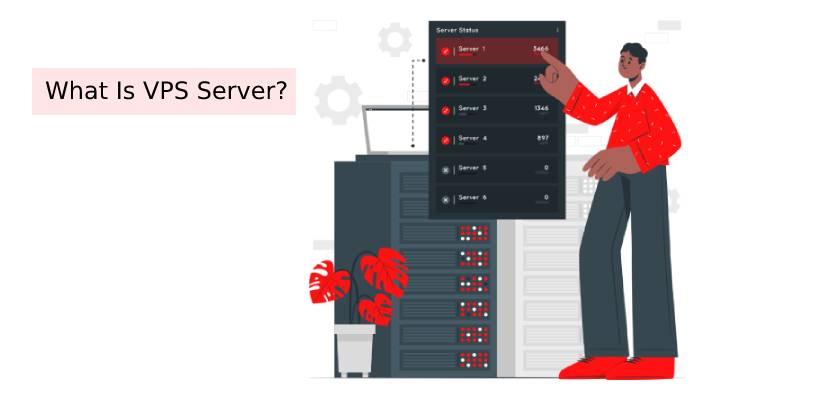
What is a Virtual Private Server (VPS)?
A Virtual Private Server (VPS) is a virtualized server that mimics a dedicated server environment within a shared server. It is a safer and more stable option than shared hosting, where there isn’t exclusive server space. VPS hosting provides a balance between the affordability of shared hosting and the performance and security of a dedicated server.
This article is part of Rackset’s Server guides — browse the rest of the category for more in-depth tutorials on this topic.
How VPS Works
VPS hosting uses virtualization technology to partition a single physical server into multiple virtual servers. Each VPS operates independently with its own dedicated resources such as CPU, RAM, and disk space. This ensures that the performance of your website is not affected by the traffic or issues of other websites on the same server.
Key Features of VPS
- Dedicated Resources: Each VPS has its own allocated resources, ensuring consistent performance.
- Root Access: You have superuser (root) access to your server, providing greater control over the server environment.
- Isolation: Your files and databases are isolated from other users on the server, enhancing security and privacy.
- Scalability: Easily upgrade your resources as your website grows without experiencing downtime.
Why Choose VPS?
VPS is typically chosen by website owners who experience moderate traffic that exceeds the limitations of shared hosting but do not require the full power of a dedicated server. It offers a cost-effective solution for those needing more control and resources without the expense of a dedicated server.
Comparison Table: VPS vs Shared Hosting
| Feature | VPS | Shared Hosting |
|---|---|---|
| Performance | Stable and consistent | Can be affected by other users |
| Control | Full root access | Limited control |
| Security | Enhanced isolation and privacy | Shared environment |
| Scalability | Easy to scale | Limited scalability |
| Cost | More expensive than shared hosting | Most affordable option |
In summary, a VPS offers a middle-ground solution for growing websites, providing more stability, security, and control than shared hosting, while being more affordable than a dedicated server.
Benefits of Using a VPS Server
A Virtual Private Server (VPS) offers a unique blend of features that make it an attractive choice for many website owners. It bridges the gap between the limitations of shared hosting and the high costs of dedicated servers, providing a balanced solution for growing websites.
Improved Performance and Stability
- Faster and More Stable: VPS hosting is faster and more stable compared to shared hosting. This is because server resources, such as memory and processing power, are not shared with other users.
- Guaranteed Resources: With a VPS, you have assured resources. This means there are no fluctuations in the resources available, ensuring consistent performance.
- Isolation from Other Users: Traffic surges and issues from other users on the server do not impact your website, providing a more reliable hosting environment.
Enhanced Control and Security
- Root Access: VPS hosting grants you superuser (root) access to your server, allowing you to install and configure software and settings according to your needs.
- Increased Privacy: Your files and databases are isolated from other users on the server, enhancing your privacy and security.
Scalability
A VPS is a straightforward service to scale. As your website grows, you can easily upgrade your resources to accommodate increased traffic and functionality requirements without significant downtime or migration issues.
Cost-Effectiveness
While a VPS is more expensive than shared hosting, it is still a cost-effective solution compared to dedicated servers. It offers a middle ground where you can enjoy enhanced performance and control without the high costs associated with a full server.
In summary, a VPS server is an excellent choice for website owners who need more resources and control than shared hosting can offer, but who do not yet require the full power of a dedicated server. Its combination of performance, control, and scalability makes it an ideal solution for growing websites.
Drawbacks of VPS Hosting
While VPS hosting offers a balanced solution between shared and dedicated hosting, it does come with its own set of drawbacks. Understanding these limitations is crucial for making an informed decision about whether VPS hosting is the right choice for your needs.
Cost Considerations
VPS hosting is generally more expensive than shared hosting. Although it is less costly than dedicated hosting, the increased cost can be a significant factor for small businesses or individual users with limited budgets. It’s important to weigh the benefits of enhanced performance and security against the increased financial outlay.
Technical Expertise Required
Managing a VPS server often requires a higher level of technical expertise compared to shared hosting. Users are typically responsible for managing their own server configurations, software installations, and security settings. Without the necessary skills, you might find yourself needing to hire a system administrator, which can add to the overall cost.
Read more: Comparing Virtual and Dedicated Servers for Businesses
For projects that need guaranteed resources and full root control, a VPS is the right step up from shared hosting. With VPS hosting you get dedicated CPU/RAM, NVMe storage, a dedicated IP and high uptime, deployed in minutes.
Resource Limitations
Although VPS hosting offers dedicated resources, these resources are still finite. If your website experiences a sudden spike in traffic, you may encounter performance issues unless you’ve provisioned your server with enough capacity. Unlike dedicated servers, where you have full access to all resources, VPS resources are shared among multiple users on the same physical server.
Potential for Downtime
Despite being more stable than shared hosting, VPS hosting is not immune to downtime. Issues with the physical server or hypervisor can affect all VPS instances on that server. While reputable hosting providers often have measures in place to minimize such risks, the possibility still exists.
Complexity of Scaling
While VPS hosting is scalable, the process is not always seamless. Depending on the hosting provider, scaling your resources might require downtime or even migration to a new server. This complexity can be a hindrance for rapidly growing websites that need to scale quickly and efficiently.
When to Consider VPS Hosting
Choosing the right hosting solution is crucial for the success of your website. Virtual Private Server (VPS) hosting can be an ideal choice under specific circumstances. Here are some scenarios when you should consider upgrading to VPS hosting:
1. Increased Traffic Demand
If your website has outgrown the capabilities of shared hosting due to increased traffic, it may be time to consider VPS hosting. VPS provides more resources and better performance, ensuring your site remains fast and responsive even during traffic spikes.
2. Need for Enhanced Security
VPS hosting offers a more secure environment compared to shared hosting. With dedicated resources and isolated server space, your data is better protected from potential threats and security breaches that can occur in a shared hosting environment.
3. Requirement for Customization
When your website needs specific software configurations or custom server settings, VPS hosting gives you the flexibility to install and configure applications as required. With root access, you have full control over your server environment.
4. Budget Constraints
While dedicated servers offer maximum control and performance, they can be expensive. VPS hosting is a cost-effective alternative that provides many of the benefits of a dedicated server without the high price tag.
5. Scalability Needs
If you anticipate future growth, VPS hosting offers easy scalability. As your website expands, you can adjust your server resources to accommodate increased demand without significant downtime or migration issues.
6. Development and Testing
For developers, VPS hosting is an excellent environment for testing new applications or updates. It allows you to simulate a real-world environment with dedicated resources, ensuring your applications perform as expected before going live.
Summary
- Moderate Traffic: Surpassing shared hosting limits.
- Security: Enhanced protection for files and databases.
- Customization: Full control over server configurations.
- Cost-Effective: Cheaper than dedicated servers.
- Scalable: Easily adjust resources as needed.
- Development: Ideal for testing and development purposes.
Comparing VPS with Other Hosting Options
Shared Hosting vs. VPS Hosting
Shared hosting is a common entry-level solution where multiple websites share the same server resources. While it is cost-effective, it comes with limitations in terms of performance and security. In contrast, a VPS (Virtual Private Server) provides a dedicated portion of server resources, offering greater stability and performance.
Read more: Understanding Bare Metal vs. Virtual Servers
If you need this service, Rackset’s team provides professional Linux VPS with full support so you can rely on the quality and get set up quickly.
- Performance: VPS hosting is faster and more stable than shared hosting because server resources such as memory and processing power are allocated specifically to your site.
- Security: VPS offers enhanced security as your files and databases are isolated from other users, unlike in shared hosting.
- Scalability: VPS hosting is easy to scale. As your website grows, you can easily upgrade your resources without affecting others.
- Control: VPS grants you superuser (root) access, allowing for more customization and control over your environment.
Dedicated Hosting vs. VPS Hosting
Dedicated hosting involves renting an entire server for your exclusive use. This option is ideal for large businesses with high traffic and specific server needs. However, it comes at a higher cost compared to VPS hosting.
- Cost: VPS is less expensive than dedicated hosting, making it a more budget-friendly option for moderate traffic websites.
- Resource Allocation: While dedicated hosting provides full access to all server resources, VPS offers a balanced solution with guaranteed resources at a lower price.
- Management: VPS requires less technical expertise compared to managing a dedicated server, which often requires a dedicated IT team.
Cloud Hosting vs. VPS Hosting
Cloud hosting uses a network of servers to ensure high availability and scalability. It is an excellent choice for websites with fluctuating traffic patterns.
- Scalability: Both cloud and VPS hosting offer scalability, but cloud hosting provides more flexibility in handling traffic spikes.
- Cost Efficiency: VPS hosting can be more cost-efficient for consistent traffic patterns, whereas cloud hosting may incur higher costs during peak usage.
- Reliability: Cloud hosting offers high reliability due to its distributed nature, while VPS provides a stable environment with dedicated resources.
VPS vs. Dedicated Server
When deciding between a Virtual Private Server (VPS) and a dedicated server, it’s crucial to understand the key differences and use cases for each. Both have their own advantages and are suited for different types of users and needs.
Key Differences
| Aspect | VPS | Dedicated Server |
|---|---|---|
| Cost | More affordable | Higher cost |
| Performance | Good for moderate traffic | Excellent for high traffic |
| Resource Allocation | Shared, but isolated | Exclusive |
| Scalability | Easy to scale | Requires more planning |
| Security | Secure, isolated environment | Highly secure, fully controlled |
Advantages of VPS
- Cost-effective solution for growing websites.
- Stable and secure, with dedicated resources.
- Minimal impact from other users’ traffic surges.
- Root access for greater control over server settings.
- Easy to upgrade as your website grows.
Advantages of a Dedicated Server
- Full control over server resources and configurations.
- Optimal performance for high-traffic websites.
- Greater reliability and security, with no shared resources.
- Ideal for businesses with specific compliance requirements.
- Customizable hardware and software settings.
Choosing Between VPS and Dedicated Server
The choice between a VPS and a dedicated server largely depends on your specific needs and budget. A VPS is ideal for website owners who need more power than shared hosting can provide but do not yet require the full resources of a dedicated server. On the other hand, a dedicated server is suitable for high-traffic websites or applications requiring maximum performance and security.
VPS vs Shared Hosting
When deciding between VPS (Virtual Private Server) and shared hosting, it’s important to understand the key differences in terms of performance, flexibility, and cost. Both hosting options serve different purposes and are suitable for different types of users and websites.
Performance and Stability
VPS hosting offers a safer and more stable environment compared to shared hosting. In shared hosting, multiple websites reside on a single server, sharing the same resources. This can lead to performance issues, especially if one site experiences a spike in traffic or uses more than its fair share of resources.
In contrast, VPS hosting ensures that server resources such as memory and processing power are allocated specifically to your account. This means that other users’ activities will not affect your website’s performance, providing a more reliable and consistent experience for your visitors.
Flexibility and Control
VPS hosting provides greater flexibility and control over your server environment. You have superuser (root) access, allowing you to install custom software and configure settings to suit your needs. This level of control is not available with shared hosting, where server configurations are managed by the hosting provider.
Cost Considerations
Shared hosting is generally less expensive than VPS hosting, making it an attractive option for small websites and personal projects with limited traffic. However, as your website grows and requires more resources, the cost-benefit of VPS hosting becomes apparent.
VPS hosting is more affordable than a dedicated server, offering a balance between cost and performance. It is ideal for websites experiencing moderate traffic that exceeds the limitations of shared hosting but does not yet require the full power of a dedicated server.
Read more: How to Change Passwords in Linux VPS Server
Privacy and Security
With VPS hosting, your files and databases are isolated from other users on the server, providing enhanced privacy and security. Shared hosting does not offer this level of separation, potentially exposing your data to vulnerabilities arising from other users’ activities.
For heavy workloads and maximum performance, a dedicated bare-metal server gives you an entire physical machine. Rackset’s dedicated server deliver full hardware, root access and configurable port speeds for the most demanding sites and apps.
Scalability
One of the key advantages of VPS hosting is its scalability. As your website grows, you can easily upgrade your server resources to accommodate increased traffic and demand. This is a straightforward process that ensures your site remains performant and reliable.
Security Considerations for VPS Hosting
When opting for VPS hosting, security should be a primary concern. Unlike shared hosting, where resources and server space are shared among multiple users, VPS offers a more secure environment because each user has their own isolated space. However, this does not mean VPS hosting is immune to security threats. Here are some key security considerations for VPS hosting:
Network Security
Ensuring network security is crucial to protect your VPS from unauthorized access and attacks. Implement the following measures:
- Firewalls: Use a firewall to block unauthorized access to your server. Configure it to allow only necessary traffic.
- Secure Shell (SSH): Use SSH for secure remote access. Change the default SSH port and disable root login to enhance security.
- VPN: Consider using a Virtual Private Network (VPN) to encrypt data transmitted to and from your VPS.
Data Protection
Protecting your data is essential to prevent data loss and breaches. Here are some strategies:
- Regular Backups: Schedule regular backups of your data to ensure you can recover in case of data loss or corruption.
- Encryption: Encrypt sensitive data stored on your VPS to protect it from unauthorized access.
Software Security
Keeping your software up to date and secure is vital to protect against vulnerabilities:
- Updates: Regularly update your operating system and software to patch security vulnerabilities.
- Security Software: Install and configure security software such as antivirus and intrusion detection systems.
User Management
Proper user management practices help in maintaining a secure VPS environment:
- User Permissions: Grant users only the permissions they need to perform their tasks. Avoid using root access for everyday operations.
- Strong Passwords: Enforce the use of strong, unique passwords and change them regularly.
Monitoring and Logging
Continuous monitoring and logging can help detect and respond to security incidents promptly:
- Log Monitoring: Regularly review server logs to identify suspicious activities.
- Intrusion Detection: Use intrusion detection systems to monitor for unauthorized access attempts.
By implementing these security measures, VPS users can significantly reduce the risk of security breaches and ensure a safer hosting environment.
Level Up with VPS Hosting
Empower your projects with the flexibility and control of Rackset’s VPS servers. Experience unmatched performance and scalability tailored to your needs.
Power your success with Rackset today!
Conclusion
Understanding VPS servers is crucial for anyone looking to optimize their web hosting needs. VPS hosting offers a middle ground between shared hosting and dedicated servers, providing a balance of cost-effectiveness, scalability, and control. This makes it an ideal choice for businesses and individuals who require more resources and customization than shared hosting can offer, but without the higher costs associated with dedicated servers. With VPS, users can enjoy dedicated resources, enhanced security, and the flexibility to install custom software and applications, all of which contribute to improved website performance and reliability.
As you consider your hosting options, it’s important to assess your current and future needs to determine if a VPS is the right choice for you. Whether you’re running a growing e-commerce site, a resource-intensive application, or multiple websites, VPS hosting can provide the robust environment you need to succeed. At Rackset, we offer a range of VPS plans designed to meet diverse requirements. Explore our VPS solutions today to find the perfect match for your hosting needs and take the next step in enhancing your online presence.
Frequently Asked Questions
What is a VPS server?
A VPS (Virtual Private Server) is a virtualized server that mimics a dedicated server within a shared hosting environment. It provides users with root access, allowing them to install their own software and configure the server as they see fit.
How does a VPS differ from shared hosting?
In shared hosting, multiple users share the same server resources, which can lead to performance issues. A VPS, however, allocates dedicated resources to each user, offering better performance and more control over the server environment.
What are the main uses of VPS servers?
VPS servers are commonly used for hosting websites, running applications, managing databases, and developing and testing software. They are ideal for businesses needing more control and resources than shared hosting provides.
Can I install custom software on a VPS?
Yes, VPS servers offer root access, allowing you to install and configure custom software and applications. This flexibility makes VPS a popular choice for developers and businesses with specific software requirements.
Is VPS hosting scalable?
VPS hosting is highly scalable, allowing you to easily upgrade your resources such as CPU, RAM, and storage as your needs grow. This scalability makes VPS an excellent option for businesses expecting traffic growth.

Behzad Nategh is the Founder and CEO of Rackset, with 20+ years in web hosting, cloud infrastructure, and web design. He writes on hosting, domains, security, and growing an online business.
Leave a Reply