In the digital age, safeguarding personal information is more critical than ever, especially when it comes to domain ownership. As soon as you register a domain, your personal data becomes part of the WHOIS database, which is accessible to anyone with an internet connection. This exposure can lead to privacy invasions, spam, and even identity theft. Fortunately, WHOIS privacy services and GDPR redaction offer solutions to these vulnerabilities by masking your personal details from the public eye.
This article is part of Rackset’s Domains guides — browse the rest of the category for more in-depth tutorials on this topic.
This article delves into the intricacies of domain privacy, exploring how WHOIS privacy services work and the impact of GDPR regulations on domain data protection. We will guide you through the reasons behind the concealment of domain information, the benefits of protecting your data, and the steps you can take to ensure your domain remains secure. Whether you’re a seasoned domain owner or just starting, understanding these privacy measures is essential for maintaining control over your online presence.
Understanding Domain Privacy and WHOIS
Domain privacy is a service offered by domain registrars to protect the personal information of domain owners. When a domain is registered, the owner’s details such as name, address, email, and phone number are recorded in the WHOIS database. This database is publicly accessible, which can lead to privacy concerns if not properly managed.
What is WHOIS?
WHOIS is a query and response protocol used to search the details of registered domain names. It provides information about the domain owner, registration and expiration dates, registrar details, and more. While this information is essential for maintaining transparency and accountability on the internet, it can also expose domain owners to unwanted attention.
The Importance of Domain Privacy
Domain privacy is crucial for several reasons:
- Protection Against Spam: Publicly available contact information can be harvested by spammers, leading to an increase in unsolicited emails and calls.
- Preventing Identity Theft: Personal information in the WHOIS database can be misused by cybercriminals for identity theft or other malicious activities.
- Maintaining Anonymity: For individuals or businesses that prefer to keep their identity private, domain privacy ensures their details are not publicly disclosed.
How WHOIS Privacy Works
When you enable WHOIS privacy, your registrar replaces your personal information with their contact details. This means that anyone looking up your domain in the WHOIS database will see the registrar’s information instead of yours. This service acts as a buffer, protecting your real contact details from public exposure.
GDPR and WHOIS Data Redaction
The General Data Protection Regulation (GDPR) has significantly impacted how WHOIS data is handled, especially for domains registered within the European Union. Under GDPR, personal data must be protected, leading to the redaction of certain information in the WHOIS database. This regulation enhances privacy by limiting the visibility of personal information, aligning with the goals of domain privacy services.
The Impact of GDPR on WHOIS Data
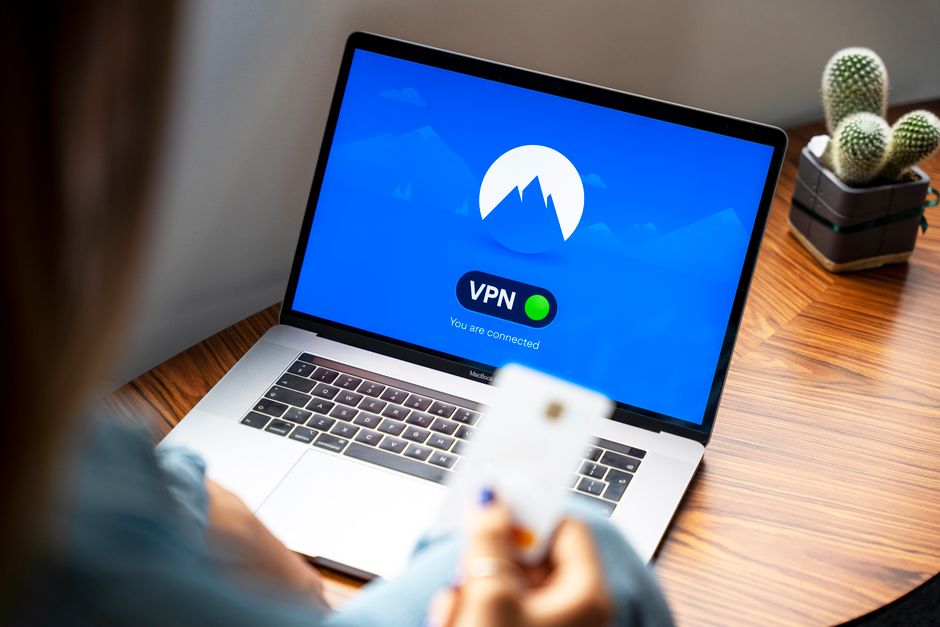
The General Data Protection Regulation (GDPR), implemented by the European Union in May 2018, significantly altered how WHOIS data is managed and displayed. This regulation aims to protect the privacy and personal data of EU citizens, affecting domain registrars and WHOIS services worldwide.
Changes in WHOIS Information Display
Prior to GDPR, WHOIS databases publicly displayed extensive personal information about domain registrants. However, with GDPR enforcement, this visibility has been curtailed to enhance privacy. Key changes include:
- Redaction of personal data such as names, addresses, and email addresses.
- Limited access to WHOIS information, primarily available only to authorized personnel and entities.
- Implementation of a tiered access model that controls who can view specific data fields.
Benefits of GDPR for Domain Privacy
The GDPR has introduced several benefits for domain owners concerning their privacy:
Read more: The Domain Lifecycle: Expiration, Grace Period, Redemption & Pending Delete
If you need this service, Rackset’s team provides professional domain registration with full support so you can rely on the quality and get set up quickly.
- Enhanced Privacy: Personal information is no longer openly accessible, reducing the risk of identity theft and spam.
- Greater Control: Registrants have more control over who can access their data, aligning with GDPR’s consent requirements.
- Legal Compliance: Organizations complying with GDPR avoid potential fines and legal issues.
Challenges and Considerations
While GDPR provides notable privacy benefits, it also presents challenges:
- Access Restrictions: Legitimate stakeholders, such as law enforcement and intellectual property owners, may face difficulties obtaining necessary data.
- Global Discrepancies: Different interpretations and implementations of GDPR across regions can lead to inconsistencies in data access.
- Technical Implementation: Domain registrars and WHOIS service providers must invest in technology to comply with GDPR requirements.
Ultimately, GDPR has reshaped the landscape of domain privacy, striking a balance between protecting individual privacy and maintaining necessary data access for legitimate purposes.
What Information Is Public vs Hidden in WHOIS
When registering a domain, certain information about the domain owner is typically collected and stored in the WHOIS database. However, the visibility of this information can vary depending on privacy settings and legal considerations such as GDPR.
Public Information in WHOIS
By default, WHOIS records may publicly display the following information about a domain:
- Domain Name: The registered name of the domain.
- Registrar Name: The name of the company where the domain is registered.
- Registration Dates: The creation and expiration dates of the domain registration.
- Nameservers: The DNS servers managing the domain.
- Domain Status: Information about the domain’s current status, such as if it is active or on hold.
Hidden Information in WHOIS
Due to privacy concerns and regulations like GDPR, certain personal information is often redacted from public view:
- Registrant Name: The name of the individual or organization that owns the domain may be hidden.
- Registrant Contact Details: Email addresses, phone numbers, and postal addresses of the domain owner are typically kept private.
- Technical and Administrative Contacts: Information about the individuals responsible for managing the domain’s technical and administrative aspects may also be redacted.
Implications of Hidden Information
The redaction of personal information in WHOIS protects domain owners from unwanted solicitations and potential data breaches. However, it can also make it challenging for legitimate parties to contact domain owners for business inquiries or legal reasons.
To address these challenges, domain registrars often offer privacy protection services that further obscure personal details while ensuring important communications can still reach the owner through proxy contact methods.
How Domain Privacy Protection Works
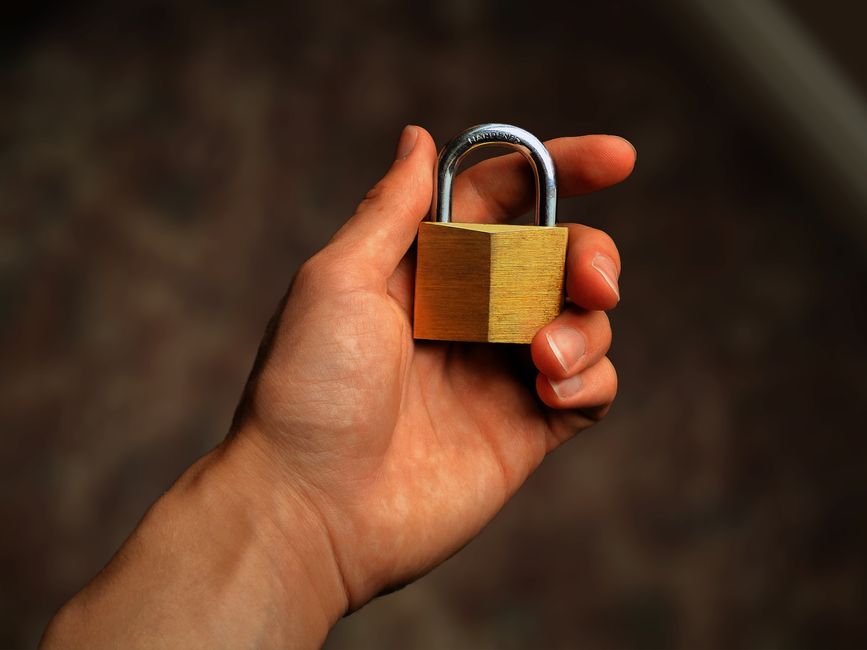
Domain privacy protection, often referred to as WHOIS privacy, is a service that conceals the personal information of domain registrants. When you register a domain, your details such as name, address, email, and phone number are typically made publicly available through the WHOIS database. However, domain privacy protection ensures this information is hidden from public view.
Mechanism of Domain Privacy Protection
Domain privacy protection works by replacing your personal information with proxy details in the WHOIS database. This proxy information is managed by the domain registrar or a privacy service provider, ensuring that your actual details remain confidential.
Read more: WHOIS Lookup: How to Find Who Owns a Domain (and Read the Record)
Choosing and registering the right domain is your online identity. Through Rackset’s domain names you can search your ideal name and register it instantly with full support.
- Proxy Information: The registrar provides alternative contact details, such as a generic email and address, which are displayed instead of your own.
- Communication Relay: Any inquiries or messages sent to the proxy contact information are forwarded to you, allowing genuine communication without compromising privacy.
- Legal Compliance: The service complies with legal requirements, ensuring that your information can still be accessed by law enforcement if necessary.
Benefits of Domain Privacy Protection
Implementing domain privacy protection offers several advantages:
- Prevention of Spam: By hiding your email address, you reduce the risk of receiving spam or phishing emails.
- Identity Theft Protection: Concealing your personal details helps protect against identity theft and fraud.
- Enhanced Security: Keeping your information private reduces the chance of being targeted by cyber attacks.
- Peace of Mind: Knowing that your personal information is not publicly accessible provides peace of mind.
Limitations of Domain Privacy Protection
While domain privacy protection is highly effective, it does have some limitations:
- Not Foolproof: Determined individuals may still find ways to access your information through other means.
- Legal Disclosures: Your details may be disclosed in compliance with legal requests or court orders.
Costs Associated with Domain Privacy Services
Domain privacy services are designed to protect your personal information from being publicly accessible through the WHOIS database. While these services offer significant privacy benefits, they come with associated costs. Understanding these costs can help you make an informed decision about whether to invest in domain privacy for your website.
Initial Registration Fees
When you first register a domain, you may have the option to add domain privacy services for an additional fee. This cost is generally added on top of the standard domain registration fee and varies depending on the registrar.
Annual Renewal Costs
Domain privacy is not a one-time purchase. It requires annual renewal, much like the domain registration itself. The renewal cost can be similar to or slightly higher than the initial registration fee, depending on the service provider.
Cost Variations by Provider
- Registrar-Specific Pricing: Different domain registrars may offer varying prices for domain privacy services. It’s important to compare these costs across providers to ensure you’re getting the best value.
- Bundled Services: Some registrars may offer bundled packages that include domain privacy, hosting, and other services at a discounted rate.
Free vs. Paid Privacy Services
While some registrars offer free domain privacy services, these may come with limitations or be bundled with other paid services. Free services might not offer the same level of protection or features as paid options, so it’s crucial to evaluate your specific needs.
Potential Hidden Costs
- Transfer Fees: If you decide to transfer your domain to a different registrar, there might be fees associated with transferring domain privacy services.
- Additional Services: Some providers may charge extra for additional privacy features, such as enhanced protection or monitoring services.
Understanding these costs will help you budget effectively and decide whether domain privacy services align with your privacy needs and financial situation.
When You Might Need Public WHOIS Information
Although WHOIS privacy has become more prevalent due to GDPR and privacy concerns, there are still scenarios where accessing public WHOIS information is necessary. Understanding these situations can help you navigate domain ownership and management effectively.
Read more: SSL Certificate Types Explained: DV vs OV vs EV, Wildcard & Multi-Domain (SAN)
Verifying Domain Ownership
One of the primary reasons to access WHOIS information is to verify domain ownership. This can be important when:
- Considering purchasing a domain from a third party.
- Ensuring that the domain is not involved in any legal disputes.
Rackset’s hosting services offer tools that simplify domain management, making it easier to confirm domain ownership through WHOIS data when needed.
If you need this service, Rackset’s team provides professional SSL certificate with full support so you can rely on the quality and get set up quickly.
Contacting Domain Owners
If you need to contact a domain owner for business inquiries, partnership opportunities, or to report issues like trademark infringements, WHOIS information can be invaluable. Consider these scenarios:
- Reaching out for potential collaboration or acquisition.
- Notifying the owner about potential security breaches or abuse.
While WHOIS privacy may obscure contact details, Rackset’s domain services provide alternative contact methods through secure channels.
Investigating Cybersecurity Threats
Public WHOIS data can be crucial in cybersecurity, especially when:
- Investigating phishing sites or malicious domains.
- Tracing the origin of spam or cyber-attacks.
Security experts often rely on WHOIS data to track down and mitigate threats. Rackset ensures robust security measures are in place, assisting users in protecting their online assets.
Legal and Compliance Reasons
Legal professionals might need WHOIS information to resolve disputes or comply with regulatory requirements. Scenarios include:
- Resolving domain ownership conflicts.
- Ensuring compliance with intellectual property laws.
Rackset supports legal and compliance needs with reliable domain management tools, ensuring data accessibility when legally required.
Need expert help from Rackset?
Want this done fast, professionally and hassle-free? Rackset’s experienced team and full support are here to help you get the best result.
Conclusion
In the evolving landscape of internet privacy, understanding the implications of WHOIS privacy and GDPR redaction is crucial for anyone managing a domain. These measures are designed to safeguard personal information from public exposure, reducing the risk of identity theft and spam. By utilizing domain privacy services, you can ensure that your personal data remains protected while still complying with international regulations like GDPR.
As digital privacy becomes increasingly important, partnering with a reliable hosting provider like Rackset can offer you peace of mind. Rackset not only provides robust hosting solutions but also supports your need for domain privacy, ensuring your online presence is secure and compliant. Explore our hosting services to find the right solution for your needs and keep your domain data protected.
Frequently Asked Questions
What is WHOIS privacy?
WHOIS privacy is a service that hides your personal information from the public WHOIS database. It replaces your contact details with those of a proxy service, helping to protect your identity and reduce spam.
How does GDPR affect WHOIS data?
The General Data Protection Regulation (GDPR) requires the redaction of personal data in WHOIS records for individuals in the EU. This means that personal information like name, address, and email may not be publicly visible unless consent is given.
Why is domain privacy important?
Domain privacy is important because it protects your personal information from being publicly accessible. This helps to prevent identity theft, reduce spam, and safeguard against potential harassment or cyber threats.
Can I enable WHOIS privacy for my domain?
Yes, most domain registrars offer WHOIS privacy as an optional service. You can enable it during the domain registration process or add it to an existing domain through your registrar’s control panel.
Are there any limitations to WHOIS privacy?
While WHOIS privacy can protect your personal information, it may not be available for certain domain extensions due to registry policies. Additionally, law enforcement and legal entities may still access your information under specific circumstances.
Leave a Reply